



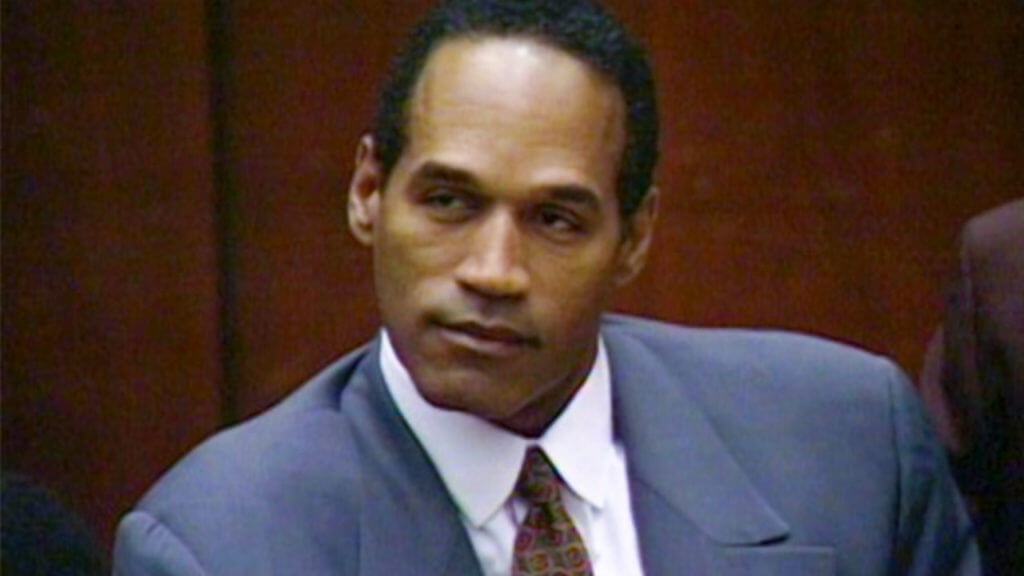
California v. OJ Simpson (1995)
The O.J.Simpson Murder Trial
Court TV presents your chance to relive or discover why California v. Orenthal James Simpson is the one case that captured America's attention more than any other.
In 1995, one of the most famous people in the world, O.J. Simpson, was tried on two counts of murder in the deaths of his ex-wife, Nicole Brown Simpson, and her friend, Ron Goldman. This is the complete trial, week-by-week, as it happened 25 years ago.
The O.J.Simpson Murder Trial
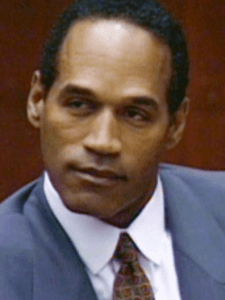
CA v. OJ SIMPSON: Week 1
During Week 1, the world is introduced to the lead prosecutor Marcia Clark and O.J.'s defense attorney Johnnie Cochran during opening statements.

CA v. OJ SIMPSON: Week 2
As both sides wrap up opening statements, the courtroom launches directly into testimony from the prosecution's first witnesses.
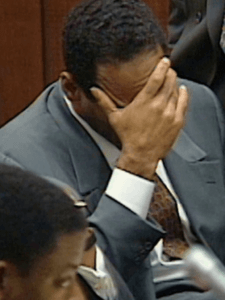
CA v. OJ SIMPSON: Week 3
Ron Goldman's sister and coworkers, as well as Nicole Brown Simpson's neighbors, were among those who took the stand.
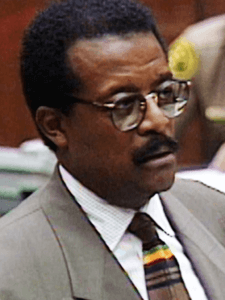
CA v. OJ SIMPSON: Week 4
After a jury field trip to the crime scene, Week 3 is packed with forensic evidence from crime scene responders and the lead detective on the case.

CA v. OJ SIMPSON: Week 5
LAPD detective and lead investigator Tom Lange is on the stand for days, introducing all the evidence that he and his team uncovered.
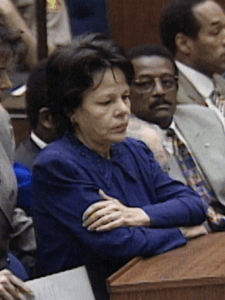
CA v. OJ SIMPSON: Week 6
Housekeeper testifies that she saw O.J. Simpson's white Bronco parked outside his home when the murders are believed to be taking place.
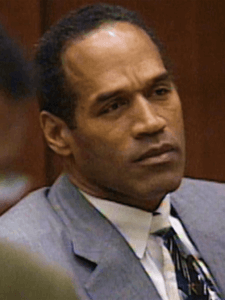
CA v. OJ SIMPSON: Week 7
Lead investigator Tom Lange is recalled to the stand, followed by LAPD Detective Mark Fuhrman.
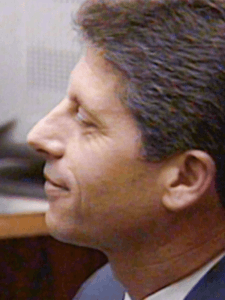
CA v. OJ SIMPSON: Week 8
Tensions rise as F. Lee Bailey cross-examines detective Mark Fuhrman in a pivotal trial moment for the defense.

CA v. OJ SIMPSON: Week 9
There's a lighter mood in the courtroom as O.J. Simpson's house guest Kato Kaelin takes the stand, describing the moment he heard loud noises near the location where the alleged killer left a bloody glove.

CA v. OJ SIMPSON: Week 10
Kato Kaelin is back on the stand, although this time he no longer seems to relish being in the spotlight.
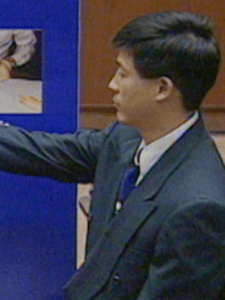
CA v. OJ SIMPSON: Week 11
LAPD Criminalist Dennis Fung makes his first appearance in the courtroom.
CA v. OJ SIMPSON: Week 12
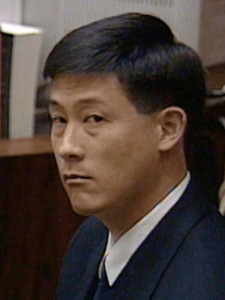
Criminalist Dennis Fung returns to the witness stand as the defense accuses him of a cover-up conspiracy to protect Detectives Furhman and Vannatter.
CA v. OJ SIMPSON: Week 13
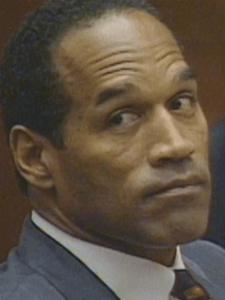
After nine days on the stand, Criminalist Dennis Fung ends his testimony. As he exits, he shakes hands with the defense team and Simpson.
CA v. OJ SIMPSON: Week 14
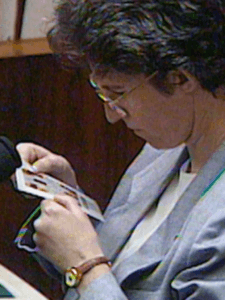
The defense questions Rookie LAPD Criminalist Andrea Mazzola about why she only used one cotton swab to test blood from three different areas.
CA v. OJ SIMPSON: Week 15
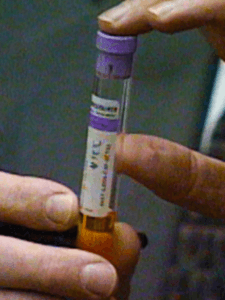
The state calls Greg Matheson, the LAPD's forensic chemist and assistant lab director, the state's first witness to tie Simpson to the murder scene through physical evidence.
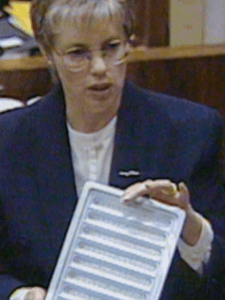
CA v. OJ SIMPSON: Week 16
After two short witnesses, the DNA phase of the trial begins.
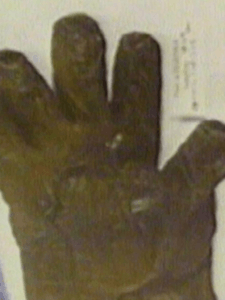
CA v. OJ SIMPSON: Week 17
The DNA conversation ensues as the defense wraps up the cross-examination of Robin Cotton, the DNA lab director.
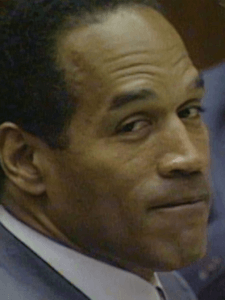
CA v. OJ SIMPSON: Week 18
The defense team focuses on themes of contamination, planting evidence and police ineptitude.
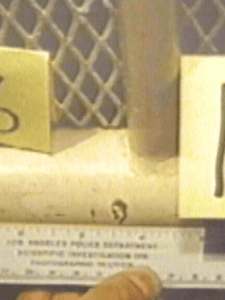
CA v. OJ SIMPSON: Week 19
As the threat of losing more jurors hung over the trial, the defense continued to cross-examine Collin Yamauchi, who confirmed that LAPD criminalists could have could have contaminated the key evidence at the case.
CA v. OJ SIMPSON: Week 20
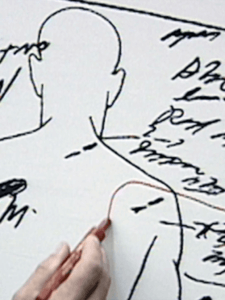
Dr. Lakshmanan Sathyavagiswaran, the LA County Chief Medical Examiner takes the stand.
CA v. OJ SIMPSON: Week 21
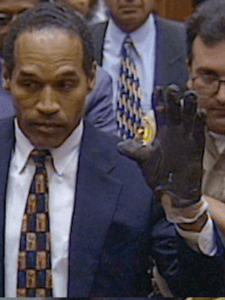
The day the world will never forget - O.J. Simpson tries on both sets of gloves recovered from the scene of the crime and O.J.'s home.
CA v. OJ SIMPSON: Week 22
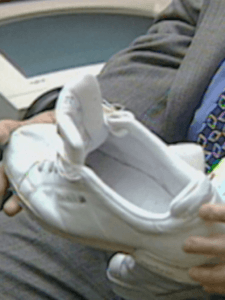
FBI Shoe Print Expert William Bodziak testifies about the footprints leading away from Nicole and Ron's bodies.

CA v. OJ SIMPSON: Week 23
The LAPD criminalist who physically collected evidence from the crime scenes testifies.
CA v. OJ SIMPSON: Week 24
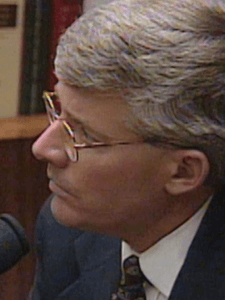
FBI Special Agent and Unit Chief in Hair and Fiber Analysis, Douglas Deedrick, testifies about the fiber similarities on multiple items collected at the crime scene and O.J.'s home.
CA v. OJ SIMPSON: Week 25
O.J.'s family and others testify about O.J.'s mood and demeanor the week before and the day following his ex-wife's murder.
CA v. OJ SIMPSON: Week 26
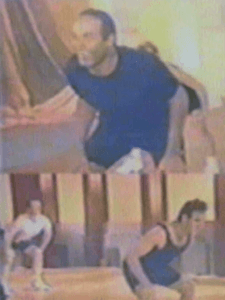
O.J. Simpson's highly anticipated exercise video, taped two and a half weeks before the killings, is played before the jury.
CA v. OJ SIMPSON: Week 27
O.J. Simpson's defense team continue the conspiracy phase of their case, calling police detectives and Simpson's housekeeper to discuss packing habits, his Bronco, a broken glass from Chicago and the bloody socks.
CA v. OJ SIMPSON: Week 28
Defense DNA experts criticize the police lab technicians "sloppy" work and accuse them of contaminating evidence.
CA v. OJ SIMPSON: Week 29
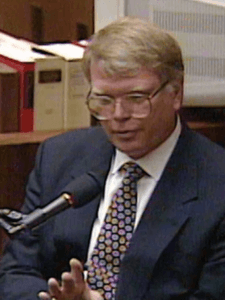
Dr. John Gerdes, the clinical director at the Immunological Associate of Denver, finishes his testimony for the defense about the alleged contamination within the LAPD crime lab.
CA v. OJ SIMPSON: Week 30
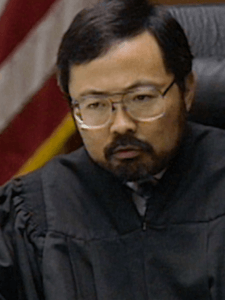
Transcripts from the Fuhrman tapes are released and the LAPD crime lab director is recalled to the witness stand.
CA v. OJ SIMPSON: Week 31
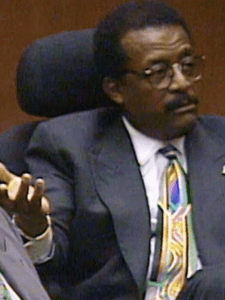
More experts are called to testify about evidence such as a footprint found on an envelope and piece of paper at the crime scene and happy phone conversation O.J. had the night of the murders.
CA v. OJ SIMPSON: Week 32
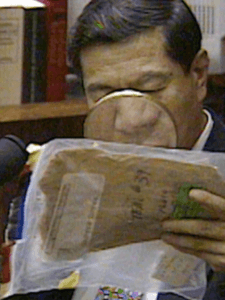
Renowned forensic expert Dr. Henry Lee suggests there may have been more than one killer and the jury hears the infamous Fuhrman Tapes.

CA v. OJ SIMPSON: Week 33
The defense calls a series of witnesses who testify to Detective Mark Fuhrman's character and the many racist and hateful comments he had made in front of them.
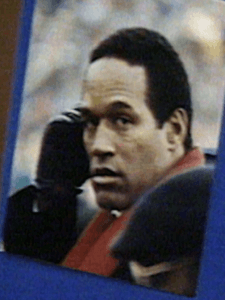
CA v. OJ SIMPSON: Week 34
The prosecution begins their rebuttal case by offering witnesses who took pictures of Simpson wearing leather gloves like the ones found at the crime scene.
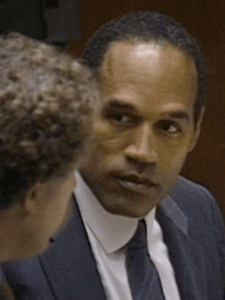
CA v. OJ SIMPSON: Week 35
The prosecution conditionally rested its rebuttal case after calling just 12 witnesses. Now it's the defense's turn.

CA v. OJ SIMPSON: Week 36
Marcia Clark and Johnny Cochran both deliver their closing arguments.
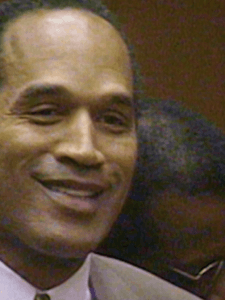
CA v. OJ SIMPSON: Week 37
After 11 months of trial, the jury deliberates for only four hours before they reach a verdict.