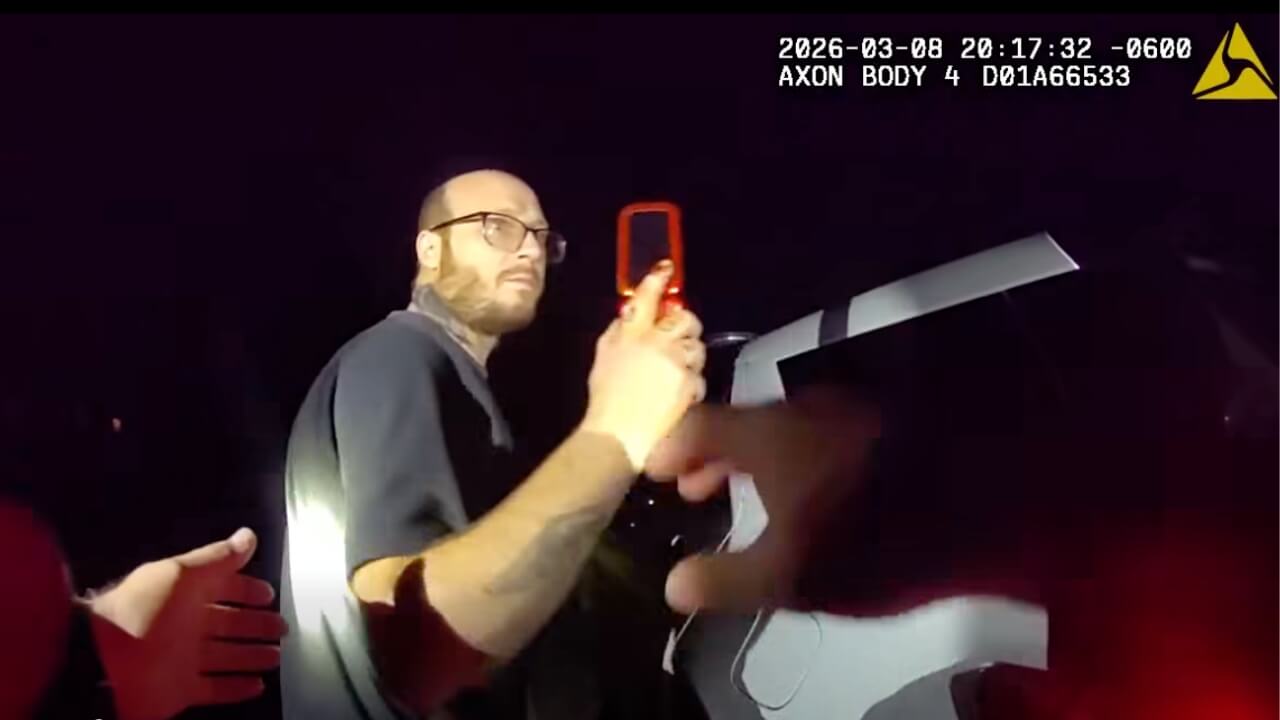
A motion to dismiss hearing in the civil lawsuit against former Letcher County Sheriff Shawn Stines and three of his employees revealed more details about the case and significantly narrowed the claims against the sheriff, who is accused of fatally shooting District Judge Kevin Mullins.
During Tuesday’s hearing, attorneys confirmed an agreement to dismiss official capacity and negligence claims against Stines, leaving only individual and intentional act claims in the lawsuit filed by the Mullins family. The partial dismissal focuses the case solely on Stines’ personal liability rather than his role as an elected official.
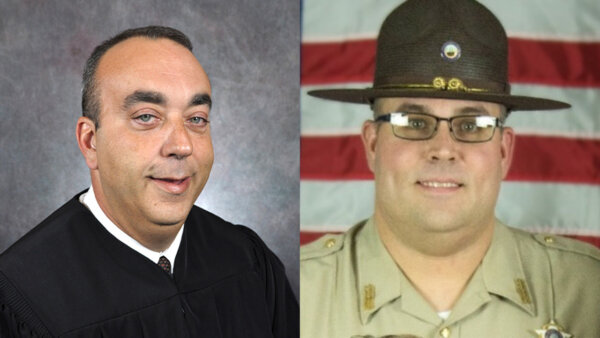
(L) District Judge Kevin Mullins (Kentucky Court of Justice), (R) Sheriff Shawn “Mickey” Stines. (Letcher County’s Official Website via Scripps News Lexington)
The hearing centered on a motion to dismiss filed by attorney Jason Williams, representing three sheriff’s office employees: Deputy Jason Eckels and Office Administrators Lashawna Frazier and Christine Bolling. Williams argued that Kentucky law does not impose a duty on government employees to warn others about potential crimes or to protect the public from violence by colleagues.
Williams told the court that Kentucky courts have established there is no universal duty of care to other persons and no duty to warn others that a crime may be committed. He cited limited exceptions, such as psychiatrist-patient relationships where overt threats are made, but argued those circumstances don’t apply to this case.
The defense noted that Stines and Mullins had eaten lunch together in Whitesburg on the day of the September shooting and described them as friends who moved freely about the courthouse. Williams argued there were no allegations that Stines had threatened Mullins or had a history of violence known to the defendants.
Plaintiff’s attorney, Ethan Manning, countered that deputies have a statutory duty to provide security services to the courts, which creates a legal obligation sufficient to defeat the motion to dismiss. He emphasized that, in a motion to dismiss, all allegations in the complaint must be accepted as true.
Manning also invoked the special relationship doctrine, arguing that such a relationship existed between Mullins and the defendants. He cited case law suggesting that when ultimate injuries are foreseeable and victims are identifiable, a duty may exist.
The complaint alleges that Stines exhibited unusual behavior described as anxious, paranoid, or psychotic prior to the shooting. However, the defense noted there are no allegations that the sheriff’s office employees had psychological training or that Stines made any direct threats against Mullins.
The court will allow additional briefing, with defense attorneys given 14 days to file written replies and plaintiffs seven days to respond if they choose. The judge will issue a ruling after reviewing the additional submissions.
The civil case stems from the September courthouse shooting, where Stines allegedly fatally shot Judge Mullins in his chambers. Stines faces separate criminal charges in that case. The civil lawsuit filed by the judge’s widow, Kimberly Mullins, seeks to hold not only Stines but also his employees liable for allegedly failing to prevent the tragedy despite warning signs.
This story was generated with the assistance of AI using information gathered and verified by a human journalist. Our editorial team verifies all reporting on all platforms for fairness and accuracy before publication.