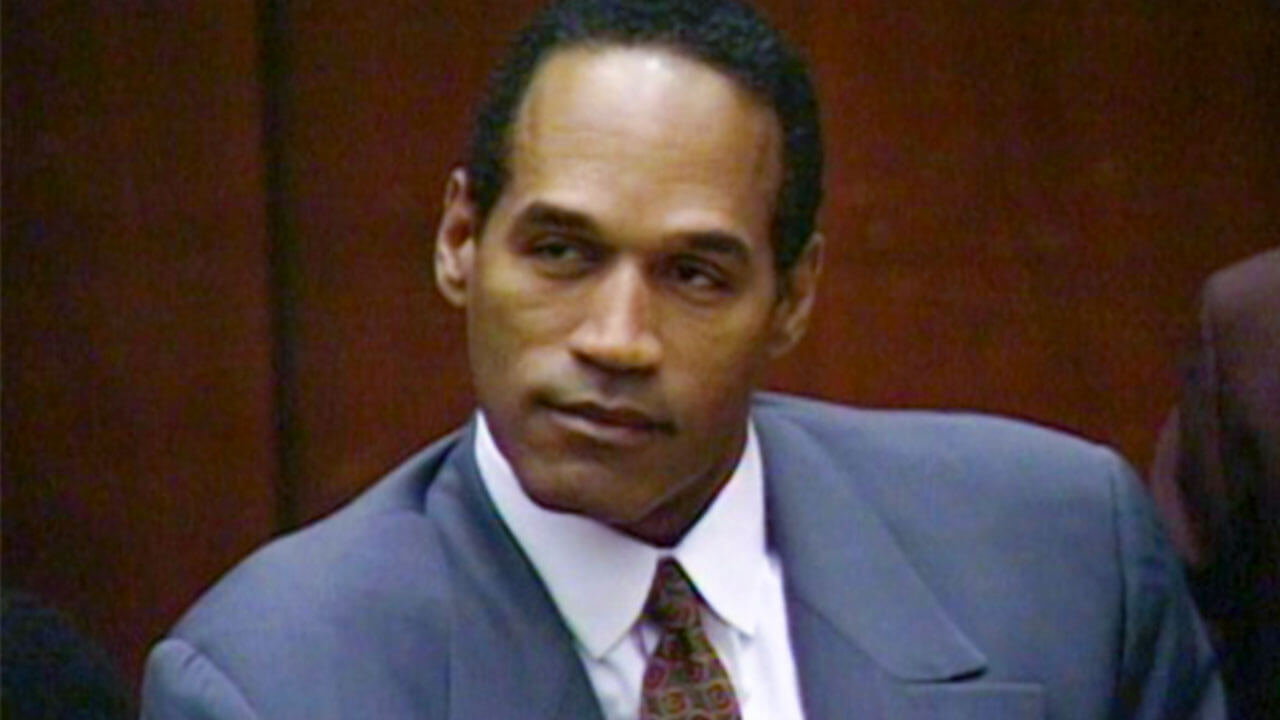
Excerpts from O.J. Simpson's Testimony

Editor's Note: You can also read the full transcripts as well as O.J. Simpson's deposition.

Friday, November 22

Plaintiff's attorney Daniel Petrocelli questions O.J. Simpson about altercations between him and Nicole. O.J. denies ever having hit Nicole.

Q. And there were also physical altercations, true, Mr. Simpson?

MR. BAKER: Vague as to time. All these questions are vague as to time, Your Honor.

THE COURT: Time.

Q. (BY MR. PETROCELLI) I'm referring to the time when the two of you began a relationship in 1977, up until the time you stopped that relationship.

MR. BAKER: It's over broad, Your Honor.

THE COURT: Overruled.

A. Yes, we had a physical altercation.

Q. (BY MR. PETROCELLI) Well, there was more than one physical altercation, true?

A. I think you'd have to define that. There was one very physical altercation, and there were other times when they were not so physical.

Q. What do you mean by "not so physical," Mr. Simpson?

A. Well, Nicole hit me a few times, and I didn't consider that too physical.

Q. So the ones that were not so physical are the times when you say Nicole hit you, true?

A. Yes.

And one time I grabbed her at a door and pushed her outside the door. That -- if you call that physical, that's physical, yes.

Q. And how many times did Nicole hit you, as you say?

A. Numerous times.

Q. Okay.

And how many times, Mr. Simpson, in the course of these physical altercations, did you hit Nicole?

A. Never.

Q. How many times did you strike Nicole?

A. Never.

Q. How many times did you slap Nicole?

A. Never.

Q. How many times did you kick her?

A. Never.

Q. How many times did you beat her, sir?

A. Never.

Q. And if Nicole said you hit her, she would be lying; is that true?

MR. BAKER: I object. Your Honor.

THE COURT: Sustained.

Q. (BY MR. PETROCELLI) If Nicole told people and wrote down in her diary that you hit her --

MR. BAKER: I object to this.

MR. PETROCELLI: Excuse me, Your Honor; I'm not finished with the question.

MR. BAKER: That doesn't matter.

THE COURT: I'll sustain it as to form.

Q. (BY MR. PETROCELLI) You are aware that Nicole has told others that you hit her?

MR. BAKER: I object to this, Your Honor.

THE COURT: That's overruled.

A. Yes.

Q. (BY MR. PETROCELLI) And you are aware that Nicole has written down in writings that you hit her, true?

A. Yes.

Q. And you are aware that her writings describe numerous incidents when you hit her, true?

MR. BAKER: I object to this again.

THE COURT: Overruled.

MR. BAKER: I think we need to approach.

THE COURT: No.

MR. PETROCELLI: Your Honor --

Please answer the question.

THE COURT: Overruled.

A. Yes.

Q. (BY MR. PETROCELLI) And your view is all that is false, true?

A. True, yes.

Q. Let's talk about 1989, okay?

That was an angry, intense, physical confrontation, true?

A. Correct.

Q. You're what, at the time, six-two, 215 pounds?

A. Yes.

Q. Nicole, five-eight, 135 pounds?

A. Yes.

Q. And you hit her that day, didn't you, sir?

A. No.

Q. Did your hand make contact with her face at all to cause injuries on her face?

Yes or no?

A. I don't know.

Q. Didn't you testify -- you remember testifying in this deposition, sir?

A. Yes.

Q. Remember I took your deposition over a number of days and Mr. Kelly, Mr. Brewer also asked you questions?

A. Yes.

Q. Let me read from that deposition.

By the way, you understand and you understood then, you were under oath and subject to the same penalty of perjury, just as you are today?

A. Yes.

MR. PETROCELLI: Line -- page 1032, Mr. Baker, line 21.

MR. BAKER: Line again?

MR. PETROCELLI: Starting at 20, sir.

MR. BAKER: To where?

MR. PETROCELLI: 22.

MR. BAKER: Okay.

Q. (BY MR. PETROCELLI) By me. (Reading:) "Q. You were in such a rage that you don't remember what you did; is that right? "A. I remember exactly what I did."

Now, tell this jury exactly how you caused all those injuries on Nicole's face.

A. Well, as I told you throughout the deposition, I don't know how exactly it happened, but I felt totally responsible for everything that happened at one point.

Q. Mr. Simpson --

MR. BAKER: Let him answer the question.

Q. (BY MR. PETROCELLI) I'm not asking about your responsibility; I'm asking about your physical movements and actions.

MR. BAKER: I move to let this witness answer the question.

THE COURT: The answer was not responsive.

Go ahead.

Q. (BY MR. PETROCELLI) Please tell the jury exactly what you did to cause the injuries on Nicole's face.

A. Well, as I explained to you, I don't know exactly how the injuries took place, so I can't really answer that question.

If you want me to say what happened, I can tell you what happened.

Q. You said in the deposition, you remember exactly what you did, true?

A. And I also told you I don't know how the injuries got there.

Q. You said you remembered exactly what you did, true?

A. Correct.

Not to cause the injuries; I didn't say that.

Q. You caused all those injuries, did you not?

A. I feel totally responsible for every injury she had then, yes.

Q. Sir, I'm not asking you about your feelings of responsibility. Do you understand?

A. Yes.

Q. I'm asking you about what you did.

You caused the injuries to her face, did you not?

A. I feel responsible for every injury she had.

MR. PETROCELLI: Move to strike as nonresponsive.

THE COURT: Stricken. Jury is to disregard that answer.

Q. (BY MR. PETROCELLI) Please answer the question.

A. I don't know.

Q. You don't know what?

A. That I caused every injury.

MR. PETROCELLI: Let's put some photos up.

And I apologize to the jury for having to show those photos.

Exhibit 3.

(Plaintiffs' Exhibit 3 displayed on TV screen.)

Q. You've seen those photos before, Mr. Simpson?

A. Yes.

Q. By the way, you say that some of the marks on -- on this photograph are caused by Nicole picking her face that night, true?

A. No. I told you when she cleans her face.

Q. That night?

A. A lot of this redness would normally be there most nights, once she picked and cleaned her face.

Q. You said in your deposition, sir, did you not, that that night she was picking at her blemishes, and that caused marks on her chin and on her cheek, true?

A. No. I said normally what -- when she does pick her face, that those were marks that I'd normally see, yes.

Q. Did you not say in your deposition that she did so that night, and that's why those marks appear on her face?

Yes or no?

A. I don't know --

MR. BAKER: That's been asked.

THE COURT: Overruled.

A. -- Exactly.

Q. (BY MR. PETROCELLI) Excuse me?

A. I'm not sure if that's what I said exactly.

Q. Tell the jury right now, did Nicole cause any of those marks to herself that night by picking at her face?

A. I don't know, but --

Q. You don't know? Yes, no, or you don't know; that's all?

A. I don't know.

Q. Okay.

Let's talk about the injury to the lip, the split lip. How did she get that injury, sir?

A. That looks more than what would normally be there. So at some point during the night, I assume that that happened, once our -- our -- our altercation began.

Q. Well, what did you do to cause that injury?

A. I wrestled her out of the room. And what happened when she was outside, I didn't see when she fell, but I feel responsible for all of that.

Q. But you've said you "feel responsible for," a number of times. It's not necessary to keep saying it 'cause it's not responsive to my questions.

MR. BAKER: I object to this. He can't give my client a speech.

THE COURT: Sustained.

Q. (BY MR. PETROCELLI) Let's talk about what you did physically with your hand, your foot, whatever.

Tell us how she got the cut on her lip, the split on her lip, that caused it to bleed that night?

A. I don't know.

Q. You don't know?

A. No.

Q. Okay.

Tell us how she got the welt over the right eye.

A. I don't know specifically how.

Q. You did hit her there?

A. No.

Q. And it's your testimony, before this jury, that you never touched her face with your hand, true?

A. I don't know, as I told you in the deposition, in wrestling her, maybe my hand hit -- hit or was on her face. I certainly didn't punch her or slap her.

Q. You say your hand was on her face.

Did you strike her at any time?

A. As I told you, I had her in a head lock at one point, in trying to get her out of the door, so I would assume that my hand was somewhere around her -- her face.

Q. When you say "head lock," you said in the deposition that you had her head in kind of a head lock to get her out of the room, true?

A. At one point, yes.

Q. Are you saying that that's when that injury to her eye occurred?

A. I don't know when it occurred. But I'm assuming it occurred during the altercation or when she fell outside and --

Q. I would ask --

A. -- I was a cause of all of that.

Q. I would ask that you not assume anything. Either tell us what happened or --

MR. BAKER: I would ask Mr. Petrocelli not to give my client legal advice.

THE COURT: Overruled.

Q. (BY MR. PETROCELLI) I just want to know what your recollection, sir, is; that's all.

Just tell us what you remember.

A. I don't -- I don't remember specifically when any single mark or injury came on her face, any of them. But I'm assuming they all happened during this altercation.

Q. I Would ask that you not assume anything. Just tell us what you --

MR. BAKER: Again I as that Mr. Petrocelli --

THE COURT: Overruled. He may frame the question as he wishes.

Q. (BY MR. PETROCELLI) Are you saying now that it's possible that you might have struck her with your hand, delivered a below to her right eye to cause that mark?

Yes or no?

A. No.

Q. It's not possible?

A. I did not punch her or slap her. That didn't happen.

Q. Did you strike her with your hand?

A. No.

Q. Now, this thing about wrestling, your view is that Nicole started an argument that night about something that she was absolutely wrong about, true?

A. Exactly, yes.

Q. And she came into the bedroom and started hitting you, right?

A. (No verbal response.)

Q. Correct?

A. Essentially, yes.

Q. And you tried to remove her from the bedroom and initially succeeded in doing so and locked your door, true?

A. Again, yes.

Q. That's what you testified to?

A. I testified I locked her out once.

She got a key and got in.

Q. The first time -- the first time, you got her out of the room?

A. No, that's not correct. First time she went out, and I locked the door.

Q. Okay.

Did you -- was there any wrestling the first time?

A. No.

Q. Okay.

And to your knowledge, no bruising or marks or injuries to her occurred during the time that you got her out of the room?

A. I didn't get her out the first time.

Q. The time she left the room?

A. Yes.

Q. You locked the door, right?

A. Yes.

Q. And then what happened is, Nicole got a key and opened the door, and you were sitting or lying on the bed, right?

A. Yes.

Q. And then you say Nicole started hitting you at that point, right?

A. She jumped on me.

Q. And then what you did was, to kind of try to just get her out of the room, right?

A. That was my purpose, yes.

Q. Okay.

And you said Nicole is one of the most physically conditioned women you've ever known, right?

A. Yes.

Q. You said, at least that night, she was quite a match for you, right?

A. It's tough -- it was tough to get her out of the room, yes.

Q. So what you did is, you started to sort of try to, from behind her, put your arms around her and get her out of the room, right?

A. I don't know if that's necessarily true.

Q. At some point, you think, in the process of trying to get her out the 15 feet or so to the door so you could close your door, you got her in a head lock; is that right?

A. I don't think that's necessarily true.

Q. Is that a fair description?

A. No.

Q. Well, tell us, then.

A. She jumped on me, on the bed, and with her knees and arms -- and then I kind of grabbed her and we kind of fell over on the floor.

And then I was trying to get her -- to get her out of the door, and she was grabbing things and hitting. And eventually, I got her out of the door.

Q. Okay.

And when you said you grabbed her, you put your right hand into a fist --

A. Yes.

Q. -- just now.

Is that what you did that night when you grabbed her?

A. Quite possibly when I grabbed her arm, quite possibly I did.

Q. When you did -- now, you just put both hands in a fist.

When you did it that night, did you punch her in the face with your hands?

A. No. No.

Q. Did you put your fingers and hands on her throat and leave marks on her throat, sir?

A. I don't recall doing that at all, no.

Q. You are aware she had marks on her throat, are you not?

A. I'm aware that someone said she did, yes.

Q. You believe that's false?

A. I never saw them. And the next day, she showed me all her bruises.

Q. She showed you everything the next day?

A. She showed me something here, and this -- this was obvious to me. (Indicating to arm and head.)

Q. You didn't see any marks on her throat?

A. No.

Q. No hand print or anything like that?

A. No.

Q. It's your testimony that you never touched her throat, right?

A. I don't know.

When you say "touched her throat," I was wrestling her; I could have touched her throat, yes.

Q. And how could you have touched her throat?

A. I don't know. Maybe -- I don't know. If you want to wrestle, you know -- I don't know. You know, it happens in a wrestling match.

Q. Would you like to demonstrate to me, sir, how you had her head in a head lock with the Court's permission?

MR. BAKER: I'm going to object to that, Your Honor.

THE COURT: I don't think it's necessary.

Q. (BY MR. PETROCELLI) So you don't remember how these injuries occurred, true?

A. I assume they occurred during this event, but I didn't see -- you know, when you're doing things, you don't see exactly, you know, when they happen. I just saw the next day or later on, to an extent that she had them, and I -- I felt I was responsible for them.

Q. Well, one thing you are clear about, though, is that however these injuries occurred, it didn't result from your fist striking her or your hand striking her --

A. Yes.

Q. -- and your hitting her in any way, true?

A. True.

Q. Now, once you got Nicole out of the room, you testified in your deposition, that was the end of the altercation. True?

A. That's correct.


Friday, November 22

Petrocelli questions Simpson about a call he made to Paula Barbieri on the night of the murders. O.J. claims not to have received a message from Barbieri earlier that evening breaking off their romantic involvement.

Q. (BY MR. PETROCELLI) You heard her testify that you left her three messages -- at least three messages that day, correct?

A. That day, yes. I thought you were talking about after a certain time.

Q. And in the messages you said in substance, hey, what's wrong, last night we were talking about filling rooms with babies, what's wrong.

You heard her testify to that, correct?

A. In the last message at 10 something, yes.

Q. And you left her that message because you had received her message by 6:56 p.m. telling you that the relationship was over, correct?

A. That's incorrect.

Q. Now, about a half an hour after that 6:56 p.m. call from Rockingham to your message manager, you made a call to a woman named Gretchen Stockdale, true?

A. Yes.

Q. And that call was made at 7:32 p.m., correct?

A. Yes.

Q. And in that call you left Ms. Stockdale a telephone message, right?

A. Yes.

Q. And in substance you said, hi, this is O.J., I'm unattached for the first time in my life, true?

A. Or words to that effect, yes.

Q. And the reason you left that message to Gretchen Stockdale that you were unattached for the first time in your life is because on that day you were unattached from Nicole and you were unattached from Paula Barbieri, true?

A. That's incorrect.

Q. And you had just found out from Paula that that relationship was over, and now you were without both women for the first time in your life, correct?

MR. BAKER: Objection, without foundation.

THE COURT: Overruled.

A. That's incorrect.

Q. And that's why you told Gretchen Stockdale you were unattached, right?

A. That's incorrect.

Q. Did you consider Paula an attachment at that time?

A. I don't think Gretchen knew about Paula and I.

Q. I didn't ask you if she knew about Paula.

I asked you, did you consider yourself attached to Paula when you left Gretchen Stockdale a message at 7:32 saying you were unattached?

A. I wasn't referring to Paula when I was talking to Gretchen.

Q. So even though you were then involved in what you say was a serious romantic relationship with Paula Barbieri, you didn't regard that as any sort of attachment; isn't that true?

MR. BAKER: He has not said that, Your Honor.

Object, it's without foundation.

THE COURT: Sustained.


Friday, November 22

Petrocelli elicits an admission from Simpson that he knows of no person that saw him between 9:35 and 10:55 on the night of the murders. Petrocelli also asks Simpson directly if he killed Nicole and Ron.

Q. Now, Mr. Simpson, after you got back from McDonald's at 9:35, the next time that you ran into Kato Kaelin was about 10:55 p.m.; is that true?

A. I would guess so.

Q. And about that time, you also encountered a limousine driver, true?

A. I would think so.

Q. Now, between 9:35 p.m. and 10:55 p.m. on Sunday, June 12, there is not a single living human being who you can identify that saw or spoke to you; is that true?

A. That's absolutely true, unless somebody drove out and saw me when I was outside --

Q. Excuse me. Is that true, that there --

A. To my knowledge.

Q. There's not a single living person that you know of who saw or spoke to you between 9:35 p.m. and 10:55 p.m.; is that true?

A. I would believe that would be true.

Q. You know of no such person, correct?

A. I don't know of anyone who saw me from 7:30 to 9:00, either.

Q. I didn't ask you about 7:30.

9:35 p.m. to 10:55 p.m. you don't know anybody who saw or spoke to you; is that true?

A. No one was at my house. Unless they were driving by when I was in my yard --

Q. Sir, I'm not asking about --

A. No.

Q. -- things that you don't know about.

MR. BAKER: I think that's responsive. I think he ought to be able to finish his answer.

MR. PETROCELLI: It's not responsive.

THE COURT: Overruled.

Answer the question.

THE WITNESS: I'm sorry.

MR. PETROCELLI: It was a very simple question.

Q. (BY MR. PETROCELLI) 9:35 p.m. to 10:55 p.m., you cannot tell this jury the name of a single person, living person, that you saw or spoke to you in that time; is that correct?

A. That's correct.

Q. And the reason why you didn't get in that Bronco is because you used that Bronco to go to Nicole's condominium that evening, after you came back from McDonald's, true?

A. That's not true.

Q. You had gloves; you had a hat; you were wearing a dark sweat outfit, and you had a knife.

And you went to Nicole Brown's condominium at 875 South Bundy, did you not, sir?

A. That's absolutely not true.

Q. And you confronted Nicole Brown Simpson and you killed her, didn't you?

A. That is absolutely not true.

Q. And you killed Ronald Goldman, sir, did you or did you not?

A. That's absolutely not true.

Q. And then you got in your Bronco and you drove back the very short distance to Rockingham, and you parked on Rockingham because you knew that there was a limousine waiting at Ashford for some time; true or untrue?

A. That is absolutely not true.

Q. And you got on your property, sir, and you bumped into the wall of the side of your house at 10:50, 10:51 p.m.; true or untrue?

A. That's absolutely not true.

Q. And you dropped one of your gloves there; you put other items in a bag, and you left that bag behind your Bentley to be picked up later; true or untrue, sir?

A. That's absolutely untrue.

Q. And you walked from the Bentley into your house at 10:55 p.m. and were seen by Allan Park; true?

A. I believe when I came out, at one point, I thought whoever the limo driver was would have seen me, yes.

Q. You were walking from the side of your house diagonally to the Bentley, so you would not be seen by the limo driver, and then you skipped into your house. Is that true or untrue, sir?

A. That's absolutely not true.

Q. And you dropped the bag right here?

(Indicating to Exhibit 116.)

Q. (BY MR. PETROCELLI) And you went inside at 10:55 p.m. Yes or no?

A. No.

Q. And you dropped a piece of blood near a cable in the back, near the wall, where you ran into the wall, correct?

A. That's incorrect.

Q. And you bled on that cable wire, didn't you, sir?

A. That's incorrect.

Q. And you bled on that air conditioner, didn't you, sir?

A. That's incorrect.

Q. And you bled all over that driveway and in your Bronco, didn't you, sir?

A. That is absolutely incorrect.


Monday, November 25

Petrocelli questions Simpson about the cut on his finger.

Q. (BY MR. PETROCELLI) Now, you did tell the police, however, sir, when you were interviewed the next morning, that you did cut your finger that night, right?

A. Yes.

Q. And you told the police that you cut your finger at a time that was between 10 and 11, right?

A. Yes.

Q. That's the time that Ron and Nicole were murdered, right?

A. That's what I'm told, yes.

Q. And you told the police that you may have reopened that cut in Chicago, right?

A. Yes.

Q. Now, the cut that you reopened in Chicago, sir, was on your middle finger, right?

A. May have reopened, yes.

Q. What do you mean may have?

You just -- you didn't tell the cops "may have," did you?

A. I thought so. I thought that's what I said to them.

Q. Now, the cut on your middle finger is one that still bears a scar, does it not?

(Witness reviews finger.)

A. Yes.

Q. Left hand middle finger, right?

A. Yes.

(Witness displays finger to Mr. Petrocelli.)

Q. Right over there, right across the knuckle?

A. Yes.

Q. How did that mark get on your finger between 10 and 11 on June 12 in Los Angeles?

A. I didn't see that or any mark on my hand between 10 and 11 on June 12.

Q. How is it, then, that you reopened that cut in Chicago the next morning?

A. It was in -- an assumption on my part.

Q. What do you mean by assumption? You assumed --

MR. BAKER: Let him answer the question.

Q. (BY MR. PETROCELLI) You assumed --

MR. BAKER: He asked you what?

MR. PETROCELLI: Would you answer the question.

MR. BAKER: What do you mean by an assumption?

MR. PETROCELLI: Withdraw the question.

Q. (BY MR. PETROCELLI) You assumed you reopened the cut; is that what you're saying?

A. Yes, because I did not see any cut, as I emphasized to the police on numerous occasions, the night before. And I guess I did the wrong thing by trying to assume, and I assumed that if I was cut the night before, maybe it was the same cut because there was no other cut on my hand.


Monday, November 25

Petrocelli questions Simpson about the lie detector test. O.J. denies having taken one.

Q. (BY MR. PETROCELLI) Mr. Simpson, you were testifying a few moments ago about how you were, once you understood the process, happy to take a lie detector test, but it was refused.

Do you recall that?

A. Yes.

Q. Now, in fact, Mr. Simpson, before you communicated that position to the D.A.'s office, you went to the office of Dr. Edward Gelb on June 15, did you not?

A. I don't know.

Q. You went to the office of some person on Wilshire Boulevard and sat down and were wired up for a lie detector test, true?

A. That's not true.

I mean that's not true in totality.

Q. Well, what do you mean, "in totality?"

A. We didn't take a lie detector test.

What I was asking him is how did it work, and I wanted to understand it. And he sort of gave me an example how it --

Q. And he hooked you up to the process and started asking you questions about Nicole, and Nicole's death and whether you were responsible for it, true?

A. I don't know if he went that far with it.

Q. Okay.

At the end of that process, you scored a minus 22, true?

A. I don't know what the score was.

Q. And you understood that was a polygraph test, right?

A. I understood that once I finished, and I understood it, that I was willing to do one for the police.

Q. And you understood that what you were doing that day was a polygraph test, on June 15; true or untrue?

A. Not the way they explained it to me, no.

Q. You were wired up to a polygraph machine, were you not?

A. They wired me up to something and they -- the guy started to explain to me about how it works, and we went through it once for my understanding.

Once I understood how it worked, I told my lawyers, let's do it.

And we wanted it to be in evidence.

Q. And the minus 22, by the way, is a score indicating extreme deception, true?

A. I don't --

MR. BAKER: Your Honor, I object to that.

THE COURT: Sustained.

MR. BAKER: There's no foundation for that at all.

Q. (BY MR. PETROCELLI) Well, Mr. Simpson, when I asked you in your deposition, page 1284, lines 4 through 8, I asked you --

MR. BAKER: Page? Wait a minute.

MR. PETROCELLI: You got it, Mr. Baker?

MR. BLASIER: I'm getting there.

(Indicating to computer.)

Q. (BY MR. PETROCELLI) Now, you went to this polygraph examiner's office on Tuesday, June 14, true?

A. I don't know.

Q. It was that time frame, right?

A. I believe it was that week; it was -- that week is kind of fuzzy for me.

Q. And I asked you in your deposition in January: (Reading) Question: "Have you ever taken a polygraph test?

"A. No.

"Q. I was going to say, since Nicole's death, have you taken a polygraph test?

"A. No."

That was untrue, wasn't it, sir?

A. As far as I know, I didn't take a polygraph test.

Q. You did, in fact, sit for that test, didn't you?

A. That's incorrect.


Monday, November 25

Petrocelli questions Simpson about the blood in the Bronco.

Q. (BY MR. PETROCELLI) Do you see this board showing where blood was found in the Bronco, Mr. Simpson?

A. Yes.

Q. Okay.

Do you have any explanation for why blood matching yours was found near the light switch there?

A. No.

Q. Do you have any explanation for why blood matching Nicole's was found on the carpet in the -- on the driver side?

A. No.

Q. Have you any explanation for why blood matching Ron Goldman was found on the console area?

A. No.

Q. Or why blood matching yours was found there?

A. No.

Q. Or why blood matching yours was found on the inside door panel, right where you would open the door to get out --

A. No.

Q. -- using your left hand?

A. No.

Q. You do use your left hand when you exit the door, do you not?

A. I would have, unless my arthritis was kicking up. I would imagine so, yes.

Q. You're sitting there in your driver seat, you're getting ready to get out of car and you open the door with your left hand, do you not?

A. Most of the time, yes.

Q. And your left middle finger would contact the area right where that red spot is indicated, would it not, sir.

A. It possibly could.

Q. Right where you have the scar on your finger, true?

A. Possibly could.

Q. You have no explanation for any -- why any of that blood was there, true?

A. That's correct.

Q. Now, you don't recall bleeding in the back alleyway or back driveway of Nicole's condominium in the two or three weeks before her death, do you?

A. No.

Q. Okay.


Monday, November 25

Petrocelli questions Simpson about the famous ride in Al Cowlings Bronco, including questions about O.J.'s phone conversations with police.

Q. Now, there were a bunch of other items in Al Cowlings' car, by the way, like items of your clothing, right?

A. I don't know about that, no.

Q. In the back of the car?

A. I'm not aware of that.

Q. A windbreaker, socks, underwear, shirts --

A. I'm not aware of that, no.

Q. Okay.

And you had a gun, right?

A. Yes.

Q. And then you started to become -- your infamous ride in the Bronco with Mr. Cowlings, correct?

MR. BAKER: I object to the characterization. It's argumentative.

THE COURT: I'll sustain it.

Q. (BY MR. PETROCELLI) You took off in the Bronco, Cowlings' Bronco, right?

A. That's correct.

Q. And you ended up returning to Rockingham some eight or nine hours later, right?

A. I really was kind of lost time, so I don't know how long it was.

Q. And there was a time near the end there, near the end there, sir, when you were on the phone quite a bit with Detective Tom Lange, correct?

A. I don't know.

Q. Do -- you don't you recall Mr. Lange calling you while you were on the cell phone and you spoke to him?

A. I remember -- I didn't know Mr. Lange from anyone else, and I do remember somebody from the police talking to me at the time.

Q. Do you recall Detective Tom Lange urging you, begging you not to harm yourself, sir, with the gun?

A. I believe that was what whoever I was talking to was trying to tell me.

Q. Do you recall Detective Tom Lange trying to convince you to just put the gun down and come on home?

Do you remember all that?

MR. BAKER: I object to relevance, Your Honor.

THE COURT: Overruled.

Q. (BY MR. PETROCELLI) Do you remember that, sir?

A. I believe whoever I was talking to, that was the substance of what they were saying.

Q. And remember, you're saying the following:

"Just tell them all I'm sorry. You can tell them later on today and tomorrow that I was sorry and that I'm sorry that I did this to the police department."

Do you remember saying that?

A. And I also remember telling them --

Q. Yes or no?

A. -- I didn't do it.

Q. Do you remember saying that?

A. No, I don't remember that, no. But I probably did.

Q. Excuse me. Just answer the questions; we'll get through this.

A. Oh.

Yes.

Q. Do you remember saying the following to Tom Lange:

"Hey, you've been a good guy too, man, Lange. Thanks. You let me tell you, I know you're doing your job. You've been honest with me right from the beginning. Mr. Lange, I appreciate that."

And you said -- just saying, you're doing your job; I know you're doing a good job.

Do you remember saying that to Detective Lange?

A. I don't recall it, but that would be something that I would say.

Q. And do you recall Detective Lange saying to you, "And nobody's going to get hurt."

And you replied, "I'm the only one that deserves it." Do you recall saying that, sir?

A. Not at all.

Q. You deny saying that?

A. I don't recall saying that at all.

Q. If it's on a tape, you wouldn't dispute it, would you?

A. Let me hear the tape.

Q. And you recall telling Mr. Lange near the end, you've been a good guy, man, you really have. I know you're just doing your job, like you told me. You're a good guy. You did your job well.

MR. BAKER: I object to the relevance of this.

Q. MR. PETROCELLI: Now, do you recall saying that?

THE COURT: Overruled.

A. I don't recall saying it, but I think that's the way I was feeling towards the police at the time, yes.

Q. (BY MR. PETROCELLI) Now, Mr. Simpson, at no time did you tell Detective Lange on the phone, "Why are you framing me?"

You never said that, did you?

A. At that point?

Q. Yes or no.

A. I didn't know what they were doing.

I know I told them I didn't do it on numerous occasions on that ride.

Q. At no time did you say, why have you planted all this evidence against me?

MR. BAKER: Your Honor --

A. I had no idea what the evidence was.

THE COURT: Overruled.

Q. (BY MR. PETROCELLI) You said none of those things to Detective Lange, did you?

A. I had no idea what the evidence was.

Q. You knew there was blood; you knew there was -- there were gloves; you knew those things, right?

A. No.

Q. You knew there was blood found on your property, and you knew there was blood found in your car, and you knew there was blood found on Bundy as of June 17, when they were going to arrest you, right?

A. I knew there was blood, yes.

Q. And at no time did you ever utter a word to Detective Lange, why aren't you out looking for the real killer? Why didn't you -- why did you plant all this evidence against me?

MR. BAKER: This is argument.

Q. (BY MR. PETROCELLI) Why did you frame me?

You never said any of those things to Detective Lange, true?

MR. BAKER: Objection; compound, argumentative.

THE COURT: It is compound, argumentative. Sustained.

Q. (BY MR. PETROCELLI) You never accused Detective Lange of being framed by the police department, true?

A. I had no idea who Detective Lange was and I didn't know what had taken place at all.

Q. You never accused whoever you spoke to on the phone of framing you?

A. All I --

Q. True or untrue?

A. All I can do is say -- and I told him time and time again, I didn't do this.

MR. PETROCELLI: Move to strike as nonresponsive.

THE COURT: Stricken as nonresponsive.

Q. (BY MR. PETROCELLI) Please.

And the question -- you never accused the person on the telephone from the police department when you were talking of planting evidence against you, correct?

A. Correct.

Q. Or framing you for a murder that you did not commit? Correct?

A. That's correct.

Q. And the reason you didn't do so, Mr. Simpson, is because you knew you committed those murders, correct?

A. That's incorrect.

Q. And that is why you were going to kill yourself, because you knew you were going to spend the rest of your life in jail, correct?

A. That's incorrect.

Q. And you knew that you dropped the blood at Bundy, correct?

A. That's incorrect.

Q. And knew, sir, that you went there that night and you confronted Nicole and you killed her --

MR. BAKER: Your Honor, I'm going to object.

Q. (BY MR. PETROCELLI) -- correct?

MR. BAKER: This has been asked and a speech is already --

Q. (BY MR. PETROCELLI) Correct?

MR. BAKER: It's already been asked and answered.

THE COURT: Overruled.

You may answer.

A. No, Mr. Petrocelli. That's totally, absolutely incorrect.

Q. And Ronald Goldman came upon you when you were there with Nicole, and you did not expect him that night, correct?

MR. BAKER: I'm going to object.

A. I don't know Ron Goldman.

THE COURT: Overruled.

Q. And Ronald Goldman got into a fight with you as he tried to stop you, and you cut him and you slashed him until he died, collapsed in your arms. True or untrue?

A. Untrue.

Q. And you left him there to die, Mr. Simpson, with his eyes open, looking right at you. True or untrue?

A. That's untrue.

MR. PETROCELLI: I have no further questions.


Copyright 1996 by American Lawyer Media, L.P. All Rights Reserved. No parts of this site may be reproduced without permission of American Lawyer Media. Nothing in this site is intended to constitute legal advice.