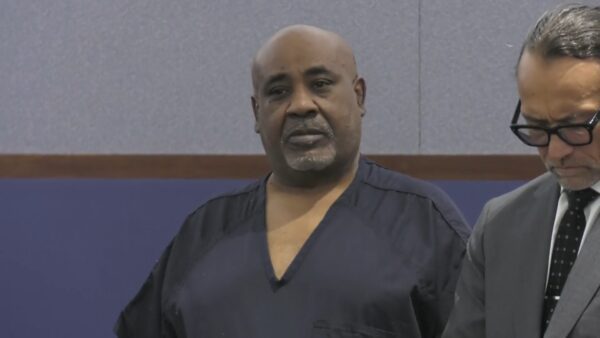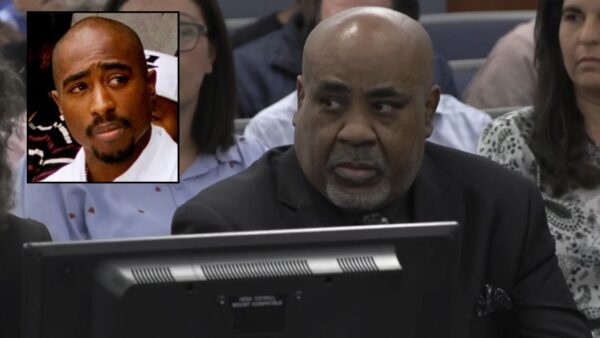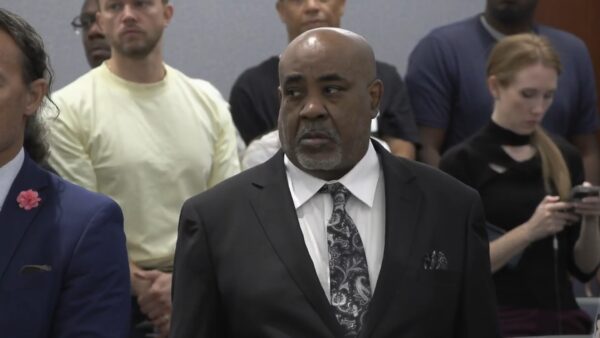

LAS VEGAS (Court TV) — A jury on Monday solved a nearly 30-year-old mystery, finding Duane “Keffe D” Davis guilty in the murder of rapper Tupac Shakur.
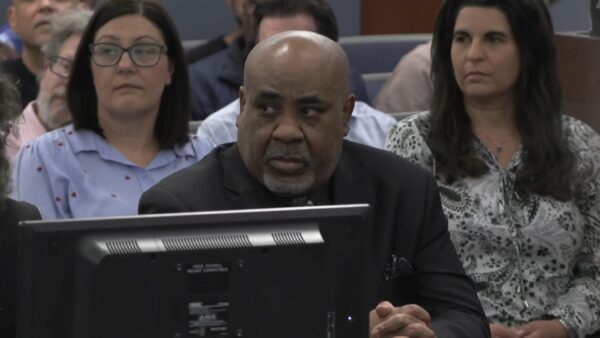
Duane ‘Keffe D’ Davis appears in court as the verdict is read on Aug. 31, 2026. (Court TV)
Shakur was a star when he was shot to death on Sept. 7, 1996, while in a BMW driven by Marion “Suge” Knight after leaving a fight at the MGM Grand in Las Vegas. Knight was grazed by a bullet and suffered only minor injuries; Shakur died one week later at the hospital.
Davis was immediately named as a suspect both by police and gang members, who testified during Davis’ trial that the shooting in Las Vegas sparked a gang war in the streets of Compton, California, killing three people and injuring 10 others in the following days.
Prosecutors based much of their case on Davis’ own words: In a federal proffer, interviews with police, recorded interviews and a published memoir, Davis had implicated himself in Shakur’s killing. At trial, Davis’ attorneys argued that his accounts were fictionalized and that he made the statements only for profit.
In his closing argument to the jury, prosecutor Binu Paul conceded that Davis’ reasons for disclosing what happened were never altruistic. “The State’s position has never been that Duane Davis just wants to unburden his soul to let everybody know about what happened,” Paul said. “That he feels this guilt that he just needs to let off his chest. That’s never been the State’s position. The State’s position is Mr. Davis’ actions were always driven by his self-interest. That doesn’t mean it’s not true; it just means that that’s the lens for which you need to look at these things.”
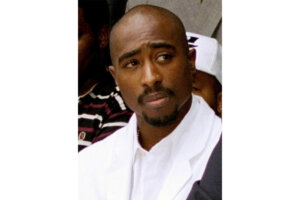
FILE – Rapper Tupac Shakur attends a voter registration event in South Central Los Angeles, Aug. 15, 1996. (AP Photo/Frank Wiese, File)
The jury returned its verdict in less than three hours. Davis sat stoically as the jury was polled and each confirmed they found him guilty.
Prosecutors had initially signaled that they planned to seek a gang enhancement for the charge. After the jury’s verdict, prosecutors said logistical challenges involving their planned witness forced them to abandon the effort.
Judge Carli Kierny scheduled sentencing for Oct. 13 and ordered that Davis be held without bail until then. At that point, Davis raised his hand to interrupt.
“I’d like to have my stuff back. Computers, all the phones, everything,” Davis said. “And I would like to appeal this matter.”
Kierny explained that Davis had a right to appeal, but would need to wait until after sentencing.