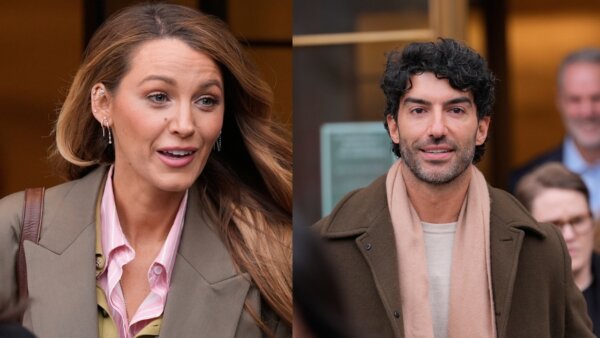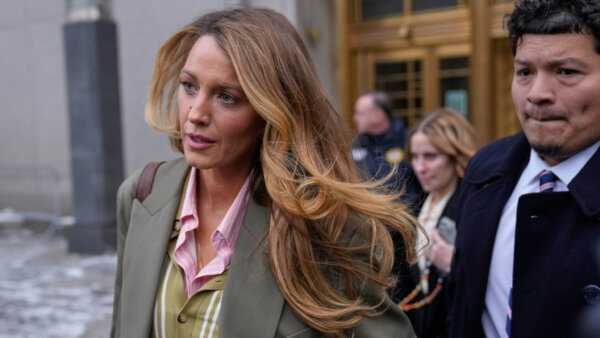

NEW YORK (Court TV) — Actress Blake Lively was dealt a huge blow this week when a judge dismissed the majority of her claims against director Justin Baldoni and his production company.
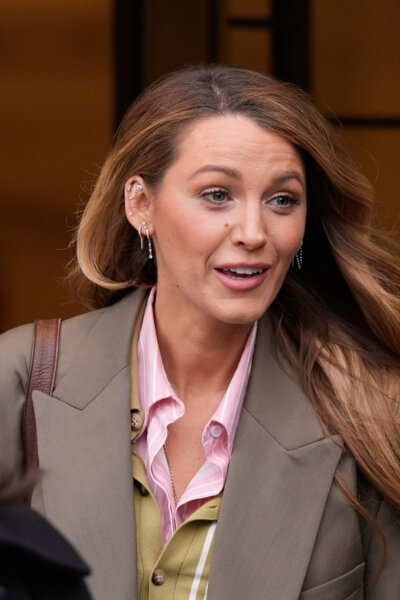
Blake Lively leaves a courthouse in New York, Wednesday, Feb. 11, 2026. (AP Photo/Seth Wenig)
Lively filed a lawsuit against Baldoni, multiple production companies and a crisis communications expert after she said she suffered sexual harassment and then retaliation for reporting said harassment on the set of the 2024 movie “It Ends With Us.” Baldoni countersued Lively for $400 million; that lawsuit was dismissed in June.
In a decision handed down on Thursday, U.S. District Judge Lewis J. Liman dismissed all but three claims in Lively’s lawsuit.
Two Contracts, Only One Signed
When Lively was first brought on to do the movie, she signed an initial offer letter. After, the plan was to have a longer contract, known as an Actor Loanout Agreement (ALA) with a more exhaustive list of contractual obligations. But the ALA was never signed, despite Lively’s team and the production company going back and forth over the language for approximately a year. “It is clear that the ALA is not, and has never been, a validly formed and binding contract,” Liman wrote in his opinion. “Lively argues that her withholding of her signature suggests at most that the parties continued to disagree over a limited subset of terms (in her estimation, about twenty percent), not that they disagreed over the formation of the contract in general. But twenty percent of an agreement’s provisions is not an insubstantial amount, and the specific provisions at issue also are not insignificant or immaterial to issues of formation. One of the contested provisions is the very one under which Lively now sues: Paragraph 7, which prohibits sexual harassment and retaliation.”
The movie began filming in May 2023, but was forced to go on a hiatus during a writers’ strike. During that first phase, Lively claimed that several incidents took place that amounted to sexual harassment and contributed to a hostile work environment. Lively said that Baldoni and others on set inappropriately discussed their personal sexual experiences and a previous addiction to pornography, as well as made her uncomfortable by coming into her trailer while she was nude.
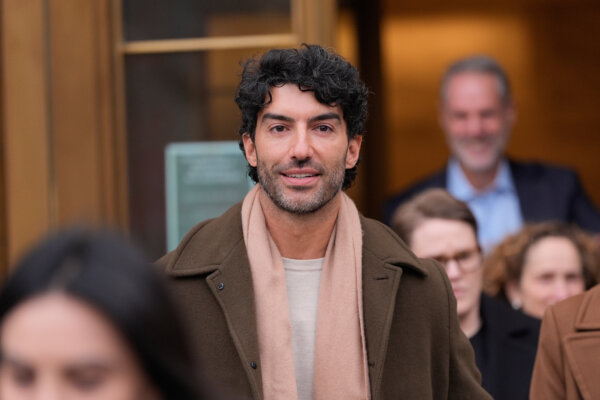
Justin Baldoni leaves a courthouse, in New York, Wednesday, Feb. 11, 2026. (AP Photo/Seth Wenig)
After the first phase of filming ended, Lively threatened not to return to set unless a list of 17 demands were met, to include hiring an intimacy coordinator and the execution of nudity riders before rehearsing or filming any intimate scenes. Following a Jan. 4, 2024, meeting at Lively’s home, both parties signed a Contract Rider Agreement (CRA). In their motion to dismiss, Baldoni and the other defendants argued that the CRA was as invalid as the ALA, because the CRA’s language made it contingent on the ALA. Liman disagreed with the logic, saying that because the document was signed, it was valid. He allowed Lively’s cause of action for breach of agreement of the CRA to move forward.
Employee vs. Independent Contractor
While Lively claimed that she was an employee of Baldoni and the production studios while working on the movie and thus entitled to protections against sexual harassment, Liman disagreed. The law was designed, Liman explained in his ruling, to protect employees specifically because independent contractors have a greater degree of control over their employment. To that effect, he said, Lively has an economic independence sufficient to make her an independent contractor.
Aside from Lively’s wealth, her offer letter outlined her extensive approval rights over the movie, including hair and makeup, script changes, use of her name and likeness, and scheduling. Liman noted that it was Lively who moved the production from its planned location in Boston to New Jersey, closer to her home.
Location, Location, Location
While “It Ends With Us” was filmed largely in New Jersey with postproduction and editing being done in California, the lawsuit was filed in federal court in New York. In addressing Lively’s claims of retaliation, Liman deferred to California law because the alleged smear campaign against the address was “planned, coordinated, and implemented” from California.
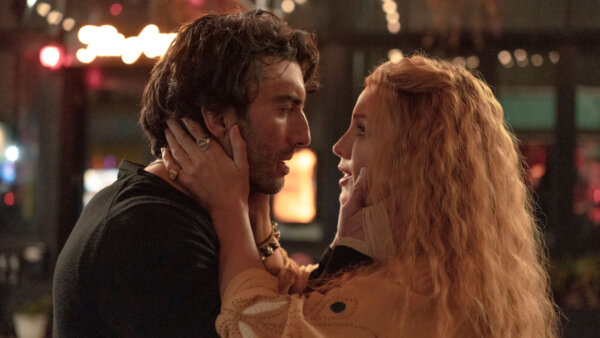
This image released by Sony Pictures shows Justin Baldoni, left, and Blake Lively in a scene from “It Ends With Us.” (Nicole Rivelli/Sony Pictures via AP)
Lively has argued that Baldoni and his production companies masterminded a digital campaign against her to discredit her claims of sexual harassment. A text submitted as evidence sent from one of the defendants notes that the defendant was “out to dinner with a friend of 12+ years who writes for People magazine, Fox News, In Touch, US Weekly, and she is fully briefed of the situation and is armed and ready to take this story of Blake weaponizing feminism to any of her outlets the moment we give her the green light. She hates Blake, has heard this story before, and will do anything for us. Just fyi. :).”
Lively said her reputation and career have suffered in the wake of the alleged campaign and she has received “no meaningful or real offers” since the film was released in 2024.
To that end, Liman said the allegations of retaliation and aiding and abetting in retaliation in violation of California law will stand and move forward toward trial.
What’s Next?
Liman has scheduled a final pretrial conference on April 28. The trial is scheduled to begin on May 18.