Simpson, A Free Man, Comes And Goes As He Pleases
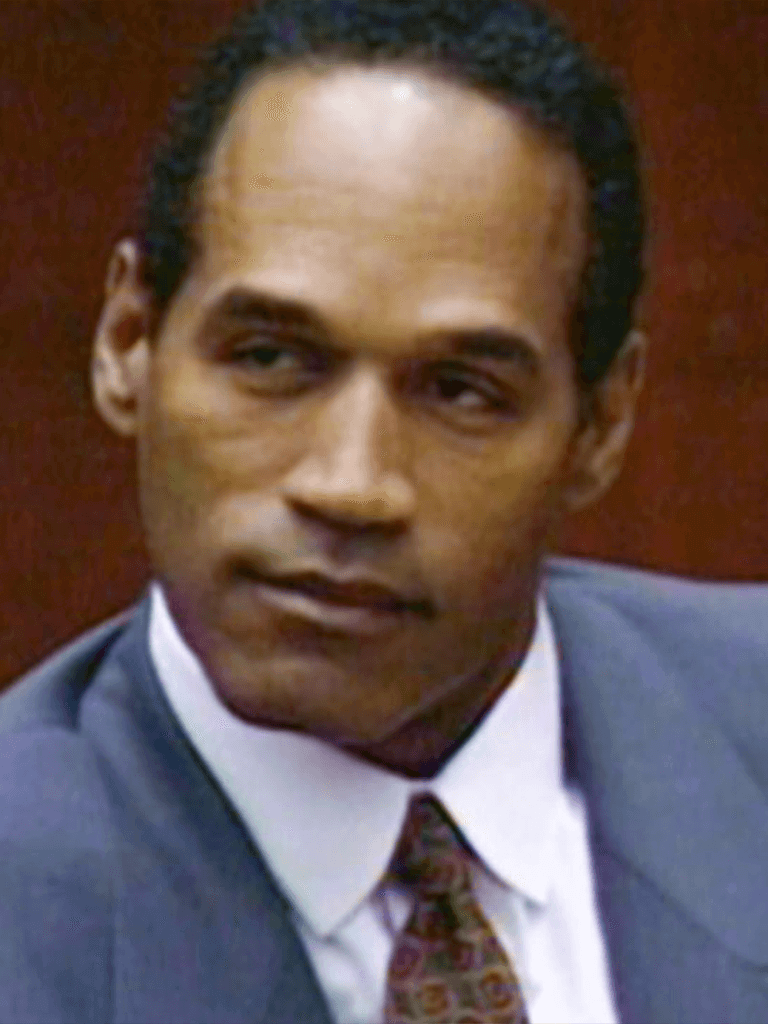
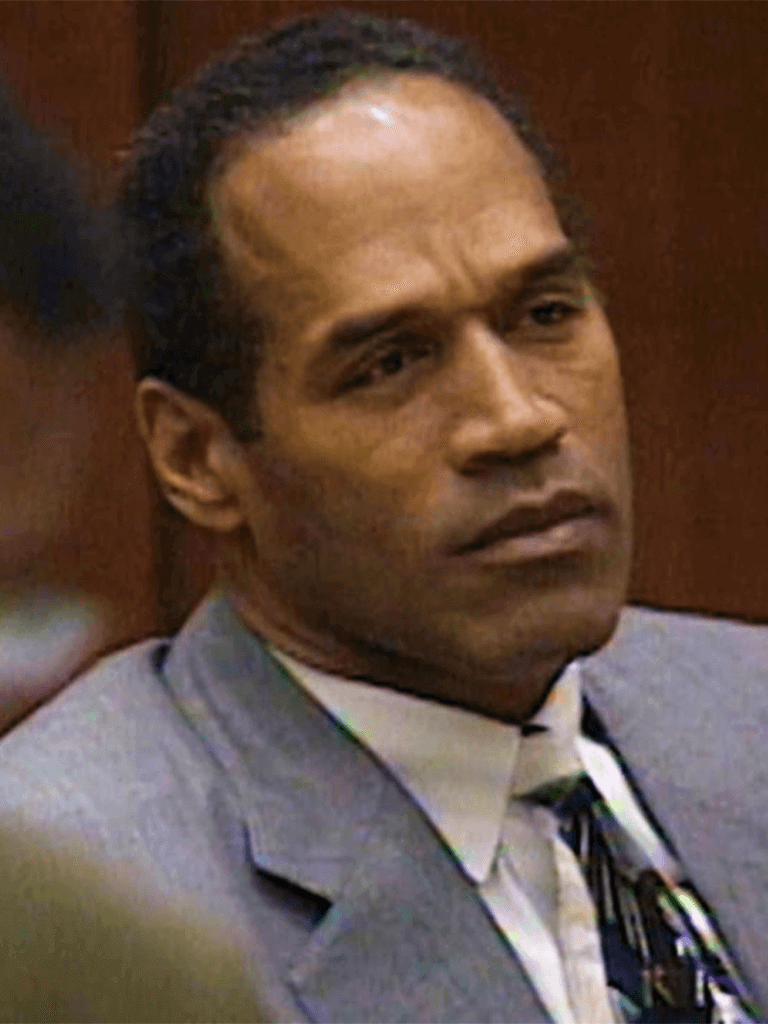
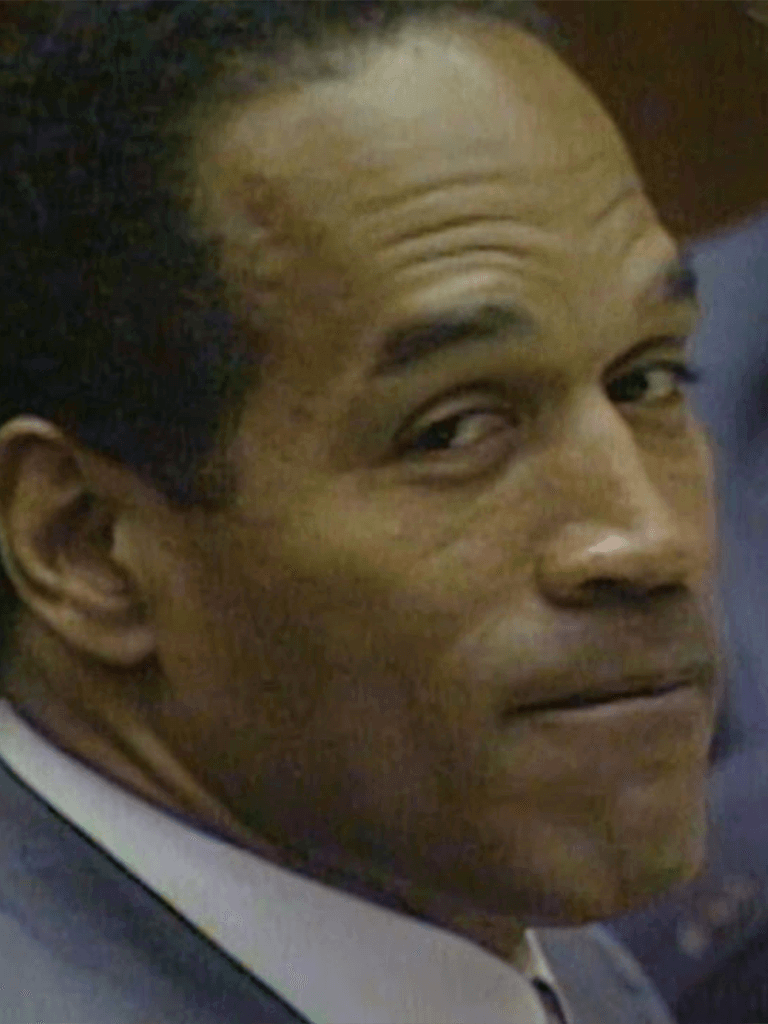
Each day Simpson arrives at the courthouse in a large, black Chevrolet sports utility vehicle with tinted windows, driven by his bodyguard. Waiting to greet him are about 30 television cameras, lined up behind barricades. Several supporters and several protesters are usually waiting as well. The car pulls up to a side entrance, not used by the public, and Simpson gets out and is walked by the bodyguard to the door. The bodyguard then returns and parks the car.
Leaving court each day Simpson walks with his bodyguard to the parked car. Because it is parked behind the press barricades, the camera crews surround Simpson and follow him until his door slams and the Blazer drives away. He rarely says anything.
Toward the end of last week, Simpson began leaving the courthouse from a different door, apparently trying to slip past the media throng. The first day, the camera crews were forced to run across the long parking lot as Simpson easily slipped into his car and sped away. The next day, the camera crews got smart and simply waited by Simpson's car.
A Tight Squeeze In Fujisaki's Courtroom
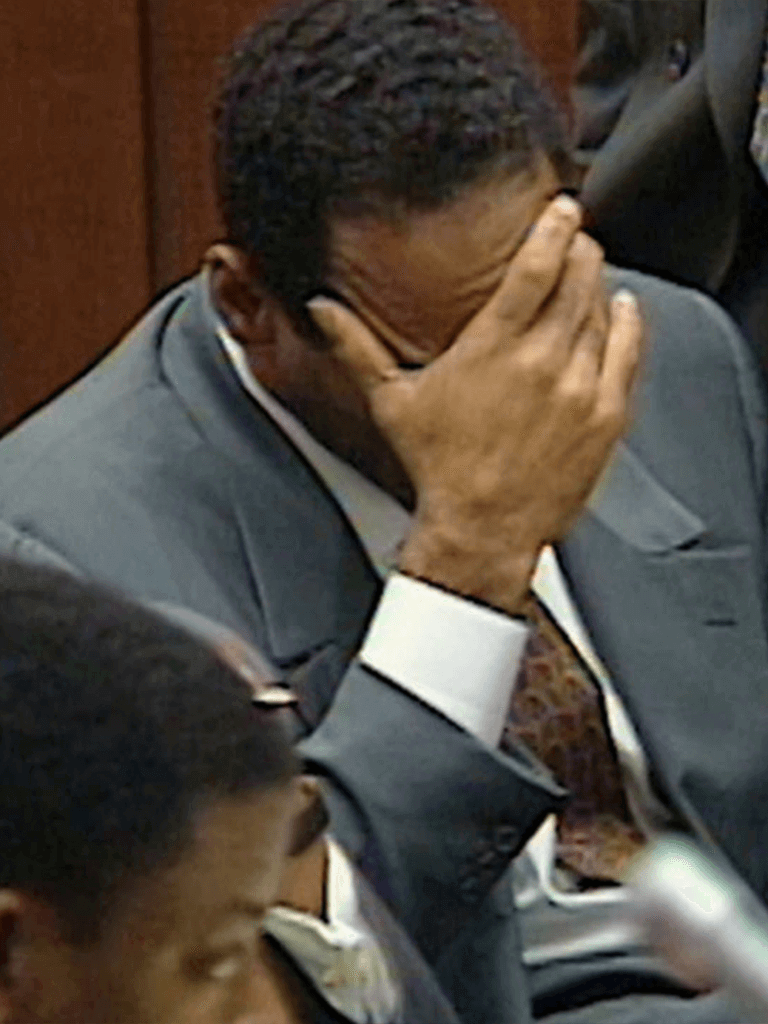
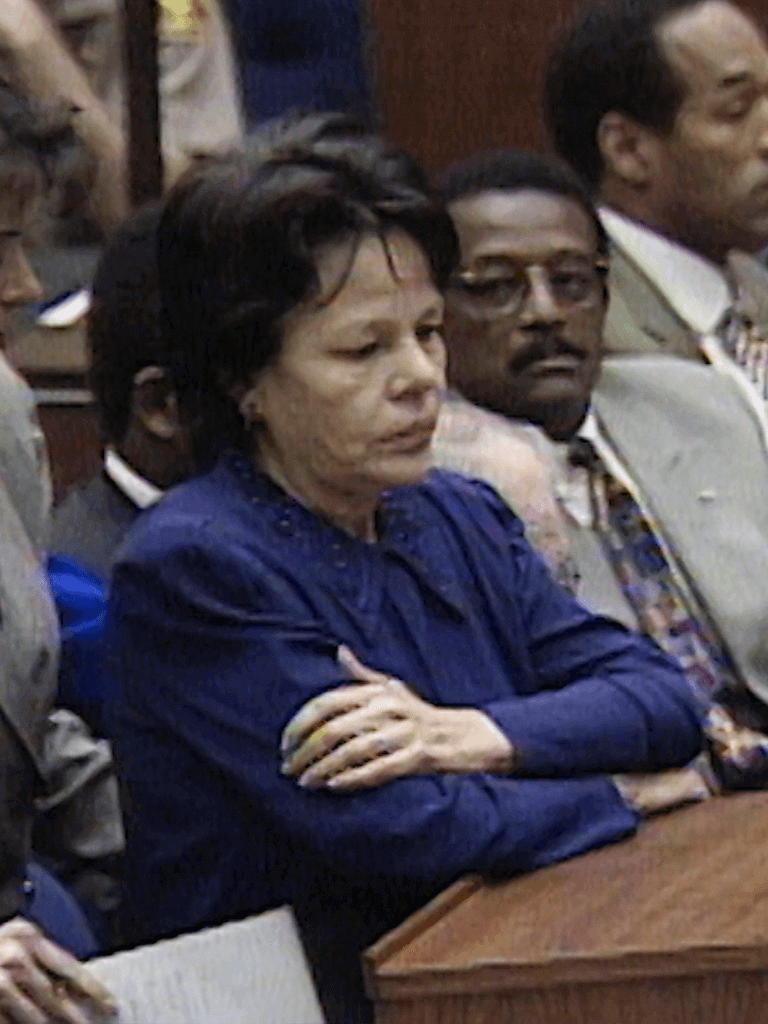
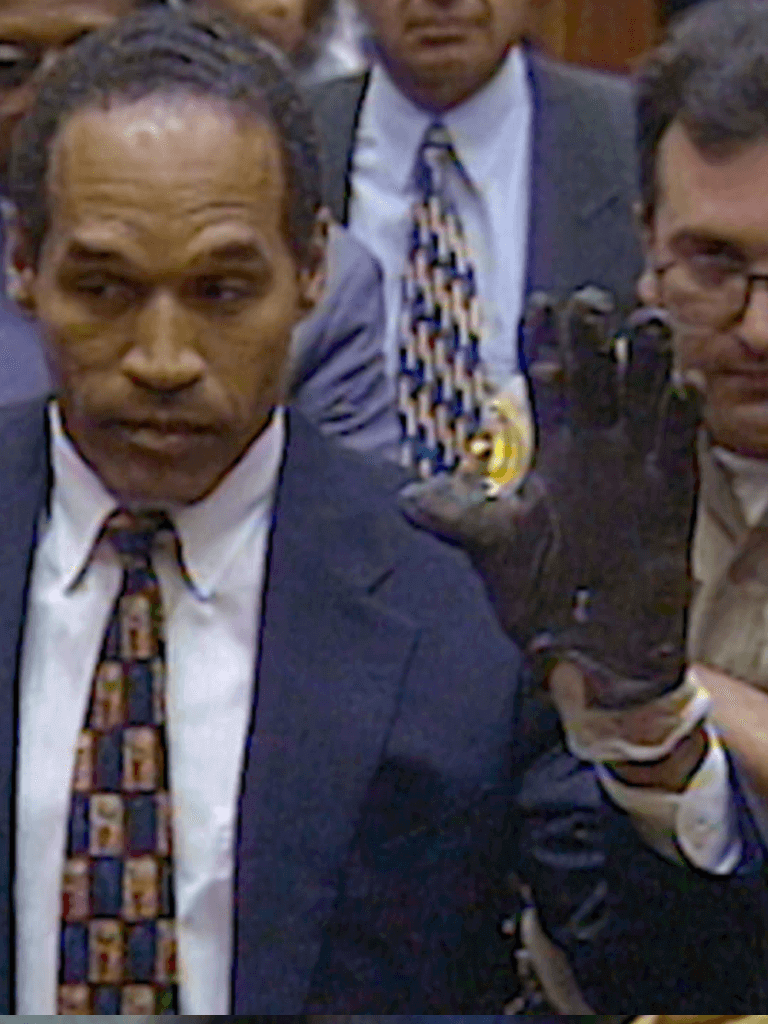
Inside the well of the courtroom, four groups of lawyers, the jury, and the alternate jurors are crammed together. Simpson sits in the well next to one of his attorneys. Ron Goldman's father, Frederic , and sister, Kim, sit in the front row of the spectator seats.
Ron's mother Sharon Rufo, Lou and Juditha Brown, Nicole Brown Simpson's parents, and Nicole's sister Denise have also attended recent court sessions. Simpson's mother Eunice, who is in a wheelchair, has been a regular spectator.
Goldman Becomes Judicial Reform Advocate
SANTA MONICA, Calif. (Oct. 28) -- Fredric Goldman, father of Ronald Goldman, was a familiar
face at the O.J. Simpson criminal trial. After Simpson was acquitted, Goldman said the
justice system failed him and filed a wrongful death suit against Simpson. Now, he's
becoming a full-time, paid advocate for the victims rights' movement. Earlier this
month, Goldman joined Washington, D.C.-based Safe Streets, as a national spokesman and
director of public affairs. Goldman is opening the Los Angeles office for the
120,000-member group, which lobbies for judicial reform and victims' rights
legislation at the federal and state level. He has given up a 30-year career as a
salesman for this job, and will be paid $100,000 yearly salary at Safe Streets. "He has been a living example of what is wrong with the
criminal justice system," says Mark Gilman, the group's director of communications.
"We felt that he was the best spokesman available in the country to testify to the
problems existing within the judicial process."
Although Goldman is currently on the payroll as a full-time employee, the group is giving him time off to attend the O.J. Simpson civil trial.
Questioning A Police Officer's Fiber
In his testimony Monday, Riske told the jury he does not carry the standard issue flashlight. While testifying about how he found Nicole Brown Simpson's and Ronald Goldman's bodies shortly after midnight on June 13, 1994, Riske pointed out that his flashlight was metal and "much stronger" than the police-issued plastic model. However, Riske said, he had to pay for it himself.
On cross-examination, Riske was questioned by defense attorney Robert Blaiser about his dark blue uniform. Is it 100 percent wool, Blaiser asked.
"You can buy them polyester, but I don't do it," Riske said as a number of spectators laughed.
To Blaiser, however, it was no laughing matter. He was trying to show the jury that blue-black fibers found at the Bundy crime scene and at O.J. Simpson's home, could have come from a police uniform. In the criminal trial prosecutors contended the fibers came from Simpson's dark colored sweatsuit.An Unfortunate Typo
SANTA MONICA, Calif. (Nov. 1) -- Was it a Freudian slip of the fingers?
As O.J. Simpson defense attorney Robert Baker gave his opening statements to the jury, he recounted the now-familiar tale of Simpson on the night of the murders knocking on Kato Kaelin's door to get some change. Simpson, on his way to Chicago, needed to break a hundred-dollar bill to grab a snack at McDonald's and tip the sky cap at the airport. Unable to make change, Kato offered Simpson a twenty.
That's an old story from the criminal trial.
But take a closer look at the court reporters' transcript in the civil trial on Oct. 24, and the story seems to have changed -- and grew. On page 49, the original version of the official transcript plainly says Simpson asked to borrow the money for "a ski cap," not a sky cap.
Baker is quoted as saying, "When he [Simpson] asked him [Kaelin] about changing the $100, O.J. said, I need it because I've got -- I want to go get a burger and I need a couple of bucks for the ski cap."
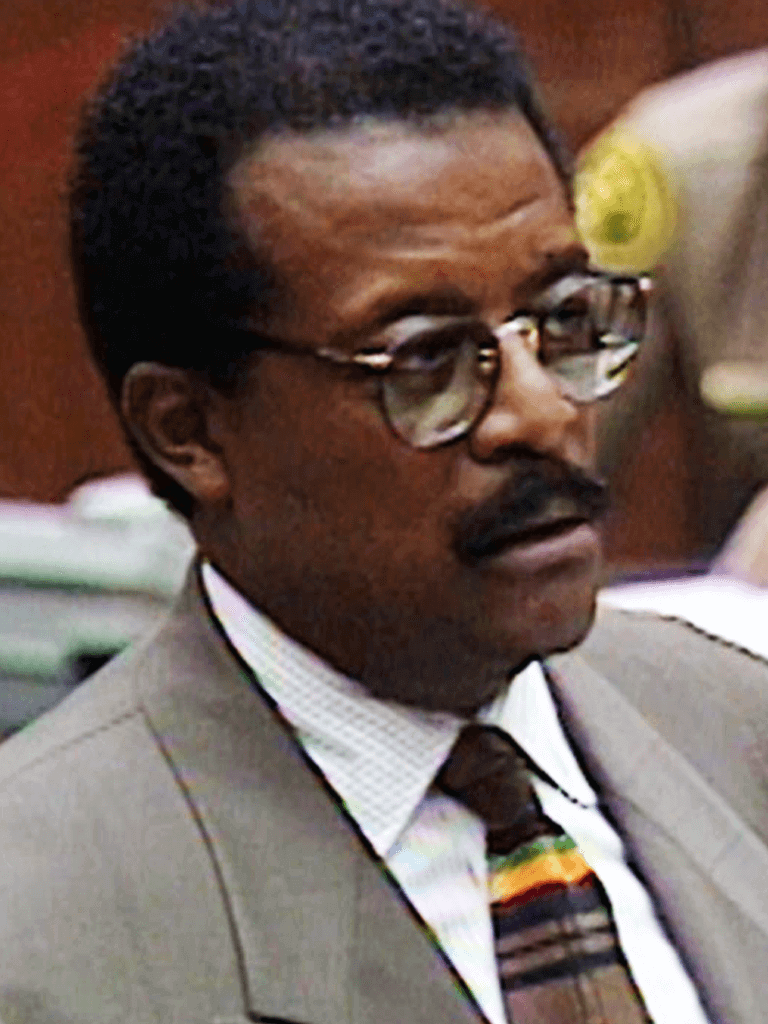
Of course, the blue-black knit ski cap found at the crime scene was one of the central pieces of evidence in the criminal trial. Prosecutors said that hairs found in the cap matched Simpson's. In one of the most memorable moments of closing arguments, defense lawyer Johnny Cochran donned a similar knit cap to mock the prosecution's theory that Simpson used the cap as a disguise.
"If I put this knit cap on, who am I?" Cochran said. "I'm still Johnnie Cochran with a knit cap. And if you looked at O.J. Simpson over there -- and he has a rather large head -- O.J. Simpson in a knit cap from two blocks away is still O.J. Simpson. It's no disguise. It's no disguise. It makes no sense. It doesn't fit. If it doesn't fit, you must acquit."
After being alerted to the discrepancy, the court reporter released a revised transcript. Alas, no new evidence. Baker said "sky cap."
Lessons In Police Speak At $5 A Day
But a Nov. 1 note to Judge Hiroshi Fujisaki from an alternate juror shows at least some of the technical police-speak bandied about during testimony about blood evidence is not sinking in.
"Judge Fujisaki, I need clarification on the difference between transfer evidence and the other evidence mentioned. I am confused as to the conclusions drawn because I do not know the terminology," juror number 294 wrote. " I feel I need this terminology clarified before more blood evidence is discussed."
If figuring out the complexities of blood evidence isn't enough of a problem for the Simpson civil jury, now the judge has ordered them not to work on days when court is not in session.
The judge's ruling came after he heard from jurors that their co-workers were exerting pressure on them to talk about the case. Court was out of session on Oct. 30 because of a scheduling problem with witnesses, and a number of jurors returned to work for the day.
There was a little sweetener from the judge in his ruling, however. He ordered the jurors to get paid for jury service, even when court is dark -- a whopping $5 a day.
But it may not have solved all the jurors' problems. Five of them wrote Fujisaki a note last week asking to have his order in writing, so they could give it to their employers.
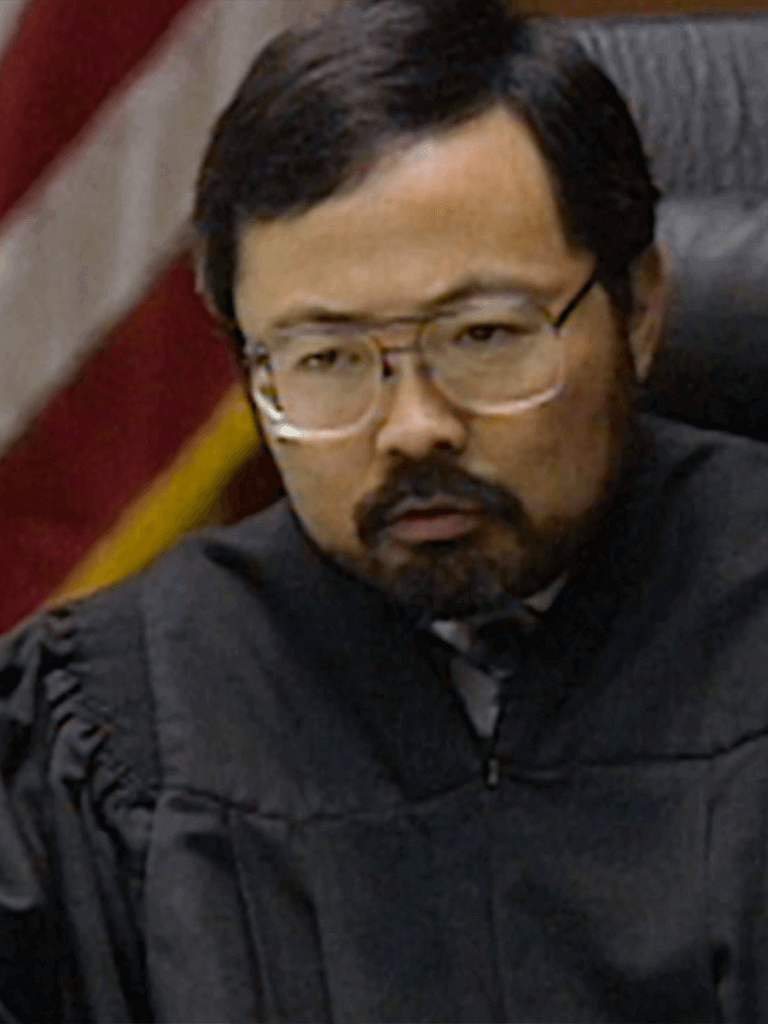
Judge Fujisaki, Not Quite The 'Anti-Ito'
In the civil case, proceeding start at 8:30 a.m. Monday through Thursday, and on Fridays court begins at 9:00 a.m. But since opening statements began last week the Judge has never entered the courtroom at the designated time. Usually he is ten or fifteen minutes late. Breaks also run longer than the allotted five or ten minutes. Even after 90 minute lunch beak, court doesn't start on time.
Fujisaki is not a stickler for courtroom manners either. Spectators chew gum, read the newspaper, and audibly whisper without drawing even a look from the judge.
Trial Protester's Ghoulish Election Statement
SANTA MONICA, Calif. (Nov. 11) -- The one constant protester at Simpson's civil trial has been a man carrying a paper skeleton, which he uses to draw attention to a poster he carries lamenting the problem of judicial corruption. However, with Halloween several days past, the motif was beginning to lose its timeliness. But on Nov. 4, the protester fixed the problem. With the national elections the next day, he stuck a name tag on the skeleton. It reads: Bob Dole.
Intern Speaking To Simpson While Reporters Wait
SANTA MONICA, Calif. (Nov. 11) -- The USA Today story that alleges O.J. Simpson made inappropriate comments and sexual advances toward Santa Monica Superior Court intern Amber McGrath has created a frenzy among the media covering the civil trial.
McGrath told the newspaper that Simpson invited her to a Halloween party. Simpson has vehemently denied the 18-year-old intern's charges, telling reporters that he doesn't even know her.
I was waiting outside the courtroom on Oct. 31, trying to get a media pass from McGrath. One of her duties is to hand out passes to reporters. I told her my name and waited with several other reporters. But she left her post and went down the hallway where Simpson was sitting by himself. She spent about the next ten minutes chatting with him.
The group of reporters waiting to get in the courtroom tried several times unsuccessfully to get McGrath's attention. Finally she heard our calls and returned to her post.
Don't Toy With This FBI Agent
SANTA MONICA, Calif. (Nov. 18) -- As members of the nation's most powerful law enforcement agency, FBI agents have a certain tough-guy image to uphold. After all, they make high-risk arrests, visit gruesome crime scenes -- and conduct hair and fiber analysis.
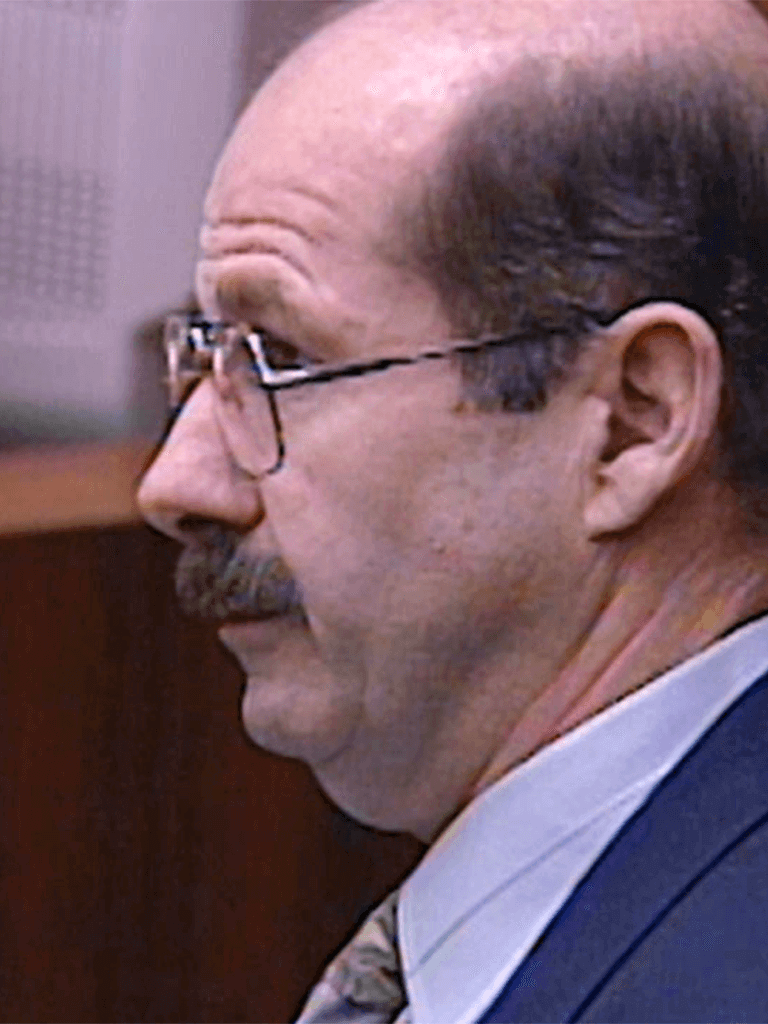
Douglas Deedrick, one of the bureau's hair and fiber experts who is testifying in the Simpson civil trial, made a point to let the courtroom know that although he spends many of his days inside a laboratory, he's been tough since childhood.
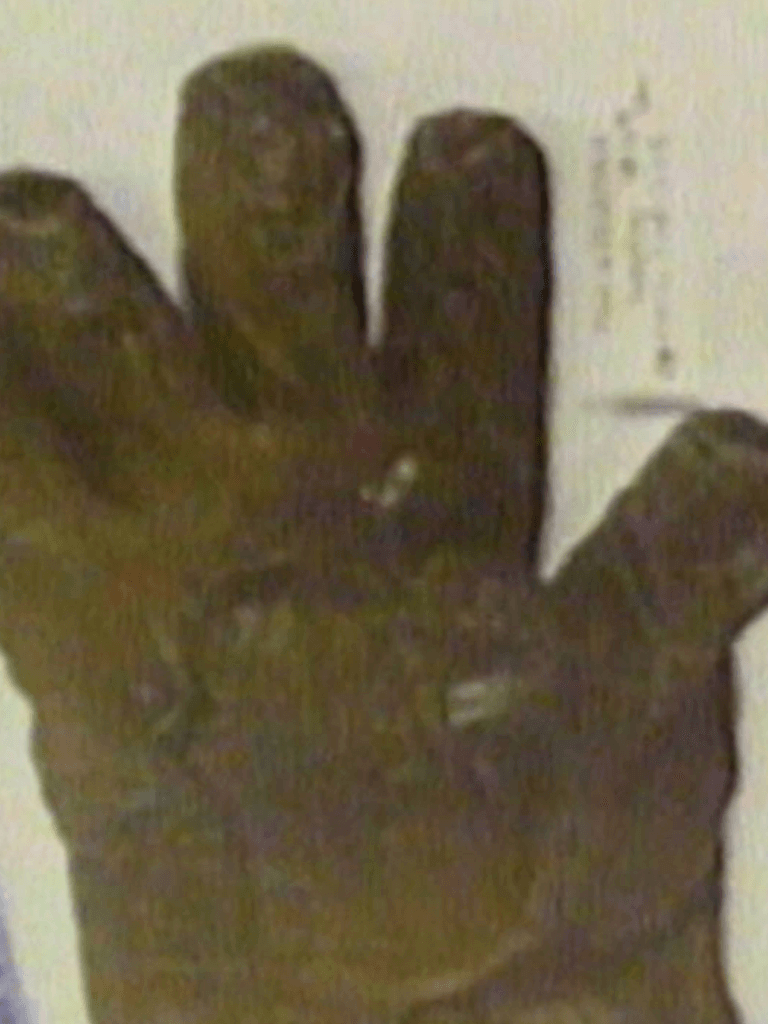
On the witness stand, Deedrick was describing rare carpet fibers from Simpson's Ford Bronco that were also discovered on the bloody glove allegedly found at Simpson's home and at the Bundy crime scene. One of the reasons the fibers are unique, Deedrick said, is because they are "tri-lobal." For the lay person, Deedrick also referred to them as having a "jack cross-section," because they look like one of the pieces of the children's game jacks.
But lest the spectators get the idea he was a wimp, Deedrick quickly explained how he came to make that reference.
"I never played with Jacks. The girls played with jacks," he said. "I remember seeing them."
Author Schiller Again The Center Of Controversy
The plaintiffs argued in court that Simpson should be compelled to turn over the tape. However, the argument -- made outside the presence of the jury -- quickly grew nasty as the defense lawyers pointed out that the tape was in the hands of Schiller, not Simpson.
The plaintiffs claimed that Schiller most likely had a copy of the tape and that Simpson had the original.
"That is absolutely false and to make that assertion in open court is absolute misconduct," lead defense attorney Robert Baker said.
Judge Hiroshi Fujisaki agreed with the defense, noting: "you haven't satisfied me that the defendant has the tape . . . other than your say so, which is not sufficient."
But the plaintiffs lawyers, stung by the judge's dismissal, promised they would prove it -- by hauling Schiller into court.
"We're going to subpoena Schiller," said Daniel Petrocelli. "We're going to bring him in."
An angry Baker fired back. "You subpoena Schiller, beat your chest," he exclaimed, thumping his chest with both fists.
Simpson Comes To Kaelin's Defense
SANTA MONICA, Calif. (Nov. 22) -- The now-famous houseguest Brian "Kato" Kaelin is scheduled to testify toward the end of this week. While his testimony will be familiar to observers of the criminal trial, he will be questioned by a new set of lawyers.
The plaintiffs, who are calling Kaelin to the stand, will use him to narrow down O.J. Simpson's whereabouts on the night of the murders. The defense, however, seems to believe that Kaelin is not the most credible witness -- at least if attorney Robert Baker remains true to comments he made during Simpson's deposition.
Baker gave his opinion about the houseguest during questioning that focused on Kaelin's discussion with Simpson, who was leaving for the airport, about noises behind the guest house.
"I was going in and out, to my Bronco and back, and he was talking about noises . . . and hearing something, earthquakes," Simpson said. "I mean, I really didn't pay much attention to what he was talking about."
Baker chimed in: "Most people don't."
Plaintiff's attorney Daniel Petrocelli tried to seize on Baker's characterization. "Well, off of your lawyer's comment, was Mr. Kaelin to your knowledge typically incoherent in your dealings with him?" Petrocelli asked.
Simpson defended his friend. "You guys seen Kato. Kato's Kato," Simpson said. "I found him to be Kato. Kato's very unique. I found him to be a very nice guy who is a little goofy, but I like him."
Lights On In The Simpson Household
SAMTA MONICA, Calif. (Nov. 22) -- The criminal trial testimony of limousine driver Allan Park, who is scheduled to take the stand this week in the civil trial, apparently made a lasting impression on O.J. Simpson.
Park testified that he arrived at Simpson's home at 10:25 p.m. -- 20 minutes early -- to pick up Simpson on the night of the murders. Nobody answered when Park buzzed the gate. Park noted that when he arrived, Simpson's house was dark except for one light upstairs. After frantically exchanging calls with his supervisor, Park saw somebody walk in the house. That person, Park said, was about Simpson's size.
What upset Simpson about Park's testimony, however, was the fact that he said no lights were on in the downstairs part of the house. Simpson claims that from Park's vantage point he could not have seen if the lights were on or off. So now, according to Simpson's deposition, whenever visitors come to Rockingham they are treated to a reenactment. They wait by the gate while Simpson goes inside and turns on the downstairs lights.
"I've done this with virtually everyone who's come into my house," Simpson told lead plaintiffs lawyer Daniel Petrocelli in his deposition.
"Why do you prove this fact to so many people who come to your house?" Petrocelli asked. "What's your purpose in doing it?"
Simpson replied that people ask him why no lights were on that night.
"Do you make a point of proving anything else to these people?" Petrocelli inquired further.
"Yes," Simpson noted. "That my housekeeper can cook and that my mom's a great cook and that I'm a good host."
The Night Chippers
SANTA MONICA, Calif. (Nov. 22) -- When Simpson takes the stand at the end of this week, one topic that is sure to come up is why was he chipping golf balls at 10:00 p.m. in his back yard on the night of the murders.
Lead plaintiffs attorney Daniel Petrocelli spent a lot of time probing Simpson about his evening golfing habits during his deposition. Before June 12, 1994, Petrocelli asked, did Simpson hit golf balls in the yard after 10:00 p.m.
"It's something I do often. So I don't have any specific memory, but I know I would have because it's something that I do often," Simpson said. "I actually had a net that I put up on my garage and hit off a mat into my garage. As late as midnight I've done that."
In the time since his acquittal, Simpson's golfing habits haven't changed, except that he now has some golfing buddies who play with him on the lawn -- his lawyers Philip Baker, Robert Baker, and Robert Blasier.
"Did the lawyers also swing the clubs?" Petrocelli asked.
"Yes," replied Simpson.
Simpson also told Petrocelli that he has chipped golf balls in the yard at night three or four times since getting out of jail.
A Look Into A Celebrity's Closet
Former professional athletes apparently have more clothes than civil lawyers -- or at least more space to hang the latest fashions.
During his deposition, O.J. Simpson described how he was packing for his trip to Chicago on the night of the murders. At one point, Simpson said he opened his suitcase inside the closet.
The explanation seemed to confuse lead plaintiffs attorney Daniel Petrocelli.
"You can pack in your closet," Petrocelli asked. "Is that what you're saying?"
Helping out his client a bit, defense lawyer Bob Baker pointed out that "you can bowl in [Simpson's] closet."
Replied Petrocelli: "You have to understand, I have one of those little closets where it's about eight inches deep, you know."
It was too much for Baker not to follow up.
"But you're a mere mortal," he told Petrocelli.
Defense Lawyer Blasier Lists 'Simpson' As
Hobby In His Online Profile
SANTA MONICA, Calif. (Jan. 3) -- For defense lawyer Robert Blasier, the Simpson case is not only a job -- it's a hobby.
That's according to Blasier's personal profile posted on America Online. The profile, which AOL members have an option of filling out, allows other members to get a brief description of one's vital statistics and interests. It also gives members the chance to publish a "personal quote."
Blasier's hobbies are listed as golf, science, and O.J. Simpson. His birthday is Feb. 27, 1945; he's married; and lives in Sacramento.
A member of the criminal trial "dream team," who is also on the civil case, Blasier certainly has spent plenty of time with Simpson. Instead of staying at a hotel in Santa Monica as he works on the civil case, Blasier bunks at Simpson's Rockingham estate. The defense lawyer's quarters once housed Brian "Kato" Kaelin.
Blasier's is the perfect guest for Simpson in one respect --both love golf. The two have even hit a few balls together on the Rockingham estate. Simpson, who says he was chipping golf balls on his property the night his ex-wife and Ronald Goldman were killed, told the disbelieving plaintiffs' lawyers during his deposition that he often practiced golfing at night on his lawn. When the plaintiffs asked if he ever shot around at home with anybody, Simpson mention Blasier as one of his practice partners.
But more than golf, perhaps it is Blasier's "personal quote" that Simpson most appreciates. At the bottom of his AOL profile, it reads: "A reasonable doubt at a reasonable price."
Blasier, who has been recovering from back surgery in mid December, did not return two calls to his office and an e-mail request for comment on this matter.
Agent Credits Tabloid In Uncovering Bruno Magli Photos
SANTA MONICA, Calif. (Jan. 10) -- Rob McElroy, a commercial photographer pinch hitting as an agent for the two men who took pictures of O.J. Simpson purportedly wearing Bruno Magli shoes, is almost too busy to talk these days.
Returning a reporter's page from ABC News in New York, McElroy took a minute to vouch for the photographs and say that business is booming.
"These pictures are 100 percent authentic, without question," McElroy said, adding that he did not even own a computer, let alone know how to digitally alter a photograph.
McElroy first became involved with the Bruno Magli photos when he found a full-length photo of Simpson wearing casual shoes in the files of freelance photographer Harry Scull Jr. After discerning that the shoes were Bruno Maglis, McElroy helped Scull sell the picture to the National Enquirer. E.J. Flammer, who took the new pictures that purportedly show Simpson in the shoes, signed on McElroy as an agent after being referred to him through a mutual friend.
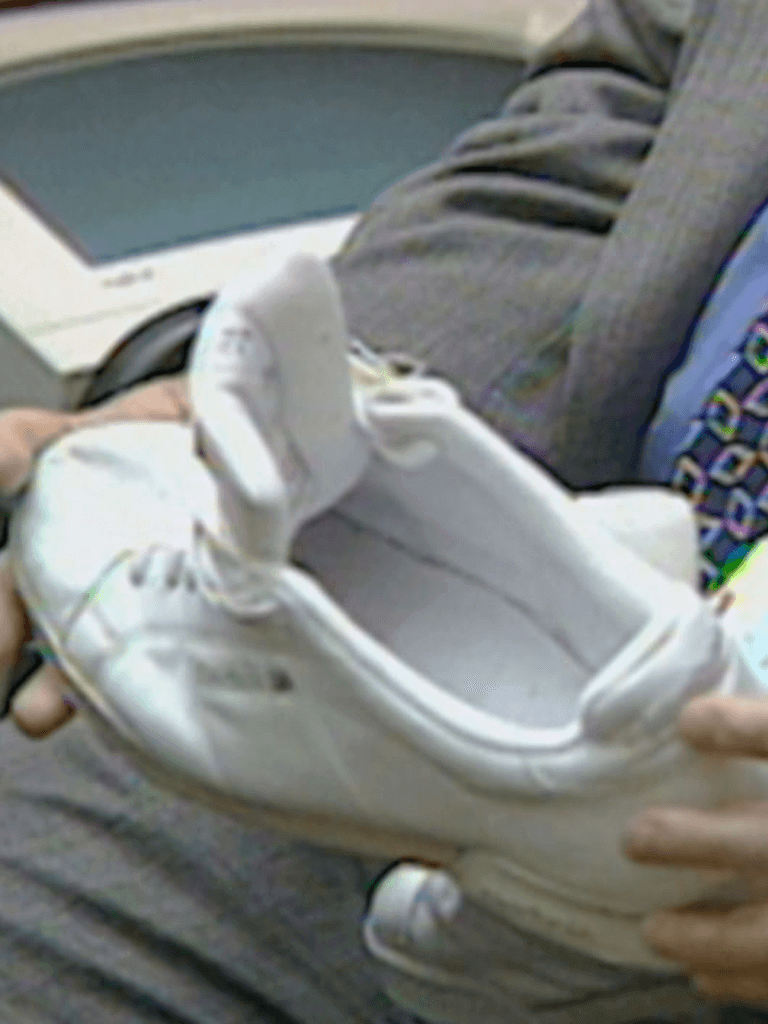
Both photographers say they took their pictures at a Buffalo Bills-Miami Dolphins game in September 1993. Scull's photograph first came to light in March 1996. It shows Simpson walking in the end zone, with one foot slightly raised. The Flammer pictures surfaced during the holiday recess in the civil trial. They show Simpson standing and talking with other men. The 30 pictures show six distinctively different shots of Simpson's shoes. These new pictures were shown to the jury on Jan. 6, but have not yet been accepted into evidence.
In a press release sent to news organizations, McElroy is selling one-time rights to broadcast on television a package of seven Flammer photographs for $5,000. One week use of the pictures goes for $12,000, and permission to use them until one week after the trial ends costs $18,000. Newspapers can print the seven photos once for $4,000.
McElroy brought in $10,000 for the first publication of Scull's picture in the National Enquirer.
That fee briefly became an issue in the civil trial, when parts of Scull's deposition were read into the court record in November. Scull said he received $2,500 from the sale, but the defense asked him if he was aware that McElroy was paid $17,000 for the photograph.
"There is no truth to that whatsoever. I was only paid $10,000," said McElroy in an interview, explaining that he kept $5,000 as a finder's fee and for research. He and Scull split the second $5,000, which was for the reproduction rights.
Now mainstream news organizations have been clamoring to purchase the rights to broadcast or print copies of the recently discovered pictures. But McElroy says that if it wasn't for the tabloid, the first picture showing Simpson wearing Bruno Magli shoes might still tucked away in Harry Scull's files.
"You hate to give credit to these people, but the National Enquirer called me to see if there [were] any photos of O.J. with the shoes on," said McElroy. "If they hadn't, [the pictures] might still be in Harry Scull's files."
Simpson Supporters Accuse Judge Of 'Playing The Race Card'
SANTA MONICA, Calif. (Jan. 10) -- A small band of protesters and publicity seekers gather most mornings outside of the Santa Monica courthouse to greet O.J. Simpson as he arrives. Carrying signs and chanting, the supporters and detractors of the former football star usually fight about the evidence in the case -- one person carries a pair of Bruno Magli shoes, others hold placards raising questions about missing blood from Simpson's reference vial.
But recently a vocal group of Simpson's supporters -- Christian Women For Justice -- has turned their protests toward Judge Hiroshi Fujisaki and some of the controversial decisions he has made so far in the civil trial. Some protesters now carry signs accusing the judge of being a plaintiffs' lawyer, and the group recently wrote a letter to the judge about his "apparent biases in the Mr. O.J. Simpson case."
Christian Women For Justice has been active fundraising for Simpson's defense and its members often carry signs of support outside the courthouse.
Organization members were angry with the judge's decision to allow the plaintiffs to question Simpson about his alleged lie detector test. They also question the judge for admitting testimony from a domestic violence hotline worker, who took a call shortly before the murders from a woman named Nicole. The caller said her high-profile husband was stalking her and that she feared for her safety.
"The pundits and commentators throughout the United States are stating on television and radio how unfair you are to the defense in your rulings," the group wrote in its letter to Judge Fujisaki. "Sir, are you aware that you have broken every hearsay rule in the book and sustained 99 percent of the plaintiffs objections."
In their letter, dated Dec. 20, 1996, the group also does not hesitate to bring up the subjects of race -- which, despite its prominence in the criminal proceedings, has not been raised in the civil trial.
"For what it is worth, we in the African-American community think that you are playing the race card very well," the group wrote. "Have you forgotten? Your job is to uphold the justice system."
Simpson Punctuates July Fourth Alibi With A Little Joke About A Big Man
SANTA MONICA, Calif. (Jan 10) -- If you ever make it to a barbecue at O.J. Simpson's Rockingham estate, wear a bathing suit.
On the stand for the second time in his civil trial, Simpson told the courtroom that he had a tradition of throwing guests at his annual Fourth of July barbecue into the pool. It didn't matter who the guests were, Simpson said, when they arrived at the party it meant they were going to take a swim.
However, there was one notable exception.
"The only person who didn't get thrown in the pool was Kareem Abdul-Jabbar," Simpson said, referring to the seven foot, two inch former Los Angeles Lakers basketball star. "Because he didn't want to."
While spectators laughed at Simpson's story, it was told for a more serious purpose -- to discredit plaintiffs' witness Albert Aguilera, who testified in early December that he saw Simpson hit Nicole Brown Simpson in Laguna Beach, Calif., in early July 1986. In his testimony Friday, Simpson pointed out that he was in Los Angeles at the time, hosting what was then an annual Fourth of July softball game and barbecue for two or three hundred people.
Simpson's Twist On Bracelet Story
SANTA MONICA, Calif. (Jan. 10) -- To bolster their theory that O.J. Simpson was pursuing Nicole Brown Simpson up until the time she was killed, the plaintiffs have pointed to an expensive diamond and sapphire bracelet that Simpson gave his ex-wife for her May 19, 1994 birthday -- more than a week after he said they broke off a reconciliation.
Nicole returned the bracelet. Further evidence, the plaintiffs say, that she wanted Simpson out of her life.
But on the stand Simpson told a wholly different story. Although he did buy her a birthday gift that year, Simpson said it was actually a gold Cartier cigarette lighter. Simpson termed the gift, "kind of humorous," since he had always nagged Nicole not to smoke. This was his way, Simpson said, of telling her she could go her own way.
While shopping for the lighter, Simpson testified, he bought the bracelet -- for his girlfriend Paula Barbieri. However, Simpson's plans went awry when he went over to Nicole's house to give her the lighter. Sitting in the kitchen with his children, Simpson said they asked him: "What did we buy for Mommy?"
"I thought, 'Jesus, I can't give her a cigarette lighter from the kids,' so I went downstairs and got the bracelet out of the car," Simpson testified.
Nicole later returned the bracelet, Simpson said, because she knew he did not really buy it for her.
"She said, 'You didn't really buy me this bracelet,' and I kind of smiled," Simpson testified. "I didn't say anything."
Too Much TV For Petrocelli?
SANTA MONICA, Calif. (Jan. 10) -- Perhaps it was a slip of the tongue, or perhaps lead plaintiffs' attorney Daniel Petrocelli watches too much late night television coverage of the trial.
Petrocelli argued Jan. 10 against a defense motion to bar testimony in the plaintiffs' rebuttal case from a number of experts, including a photograph expert. The defense contended that the plaintiffs should have put on the experts in their case-in-chief.
Petrocelli told the court that the photo expert was being called to rebut the testimony of defense photo expert "Charles" Groden. The courtroom erupted in laughter, momentarily breaking Petrocelli's stride.
Of course, "Robert" Groden was the defense photo expert. Charles Grodin hosts a talk show on CNBC network that often focuses on the Simpson trial.
The Bullhorn Ban
SANTA MONICA, Calif. -- Don't tell the dozens of protesters and hundreds of reporters waiting for a verdict in the O.J. Simpson civil trial, but for the majority of people inside the courthouse here life goes on.
Cases are being litigated; citizens are reporting for jury duty; and bailiffs, security guards, court reporters, and judges are coming to work. Each day they encounter a number of small annoyances -- parking crunches, hordes of television camera crews blocking pathways, publicity seekers waving signs around, and long lines to get inside the courthouse.
On the surface, everyone has seemed to coexist without problems, but the noise started getting to people.
In an effort to be heard over the throngs -- especially on important days -- a number of protesters carry megaphones. Some call Simpson a "murderer," others call plaintiff Fredric Goldman a "gold digger," and then there are those who exhort the crowd to come to Jesus.
While the noise adds to the carnival-like atmosphere outside, inside the courthouse it is disturbing the workers.
So Judge Hiroshi Fujisaki, in a court order filed Jan. 30, banned bull horns.
Wrote the judge: "During the pendency of the trial, including jury deliberations, the use of electronically amplified speaking devices, such as megaphones, bull horns, etc., shall not be used to amplify voice or other noise of any kind within hearing proximity of the courthouse, because said usage has disturbed the judges in the discharge of their duties, courtroom proceedings, and the possibility that said use may be heard by jurors."