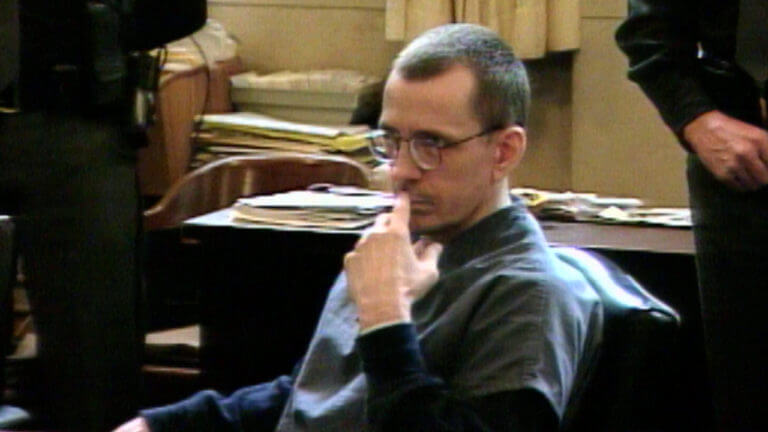
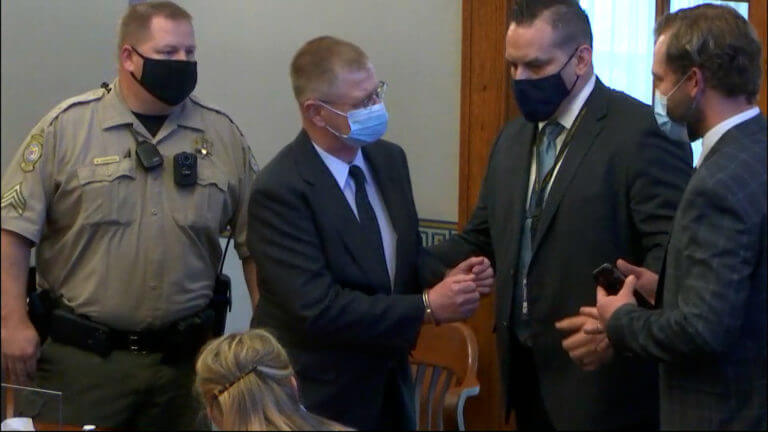
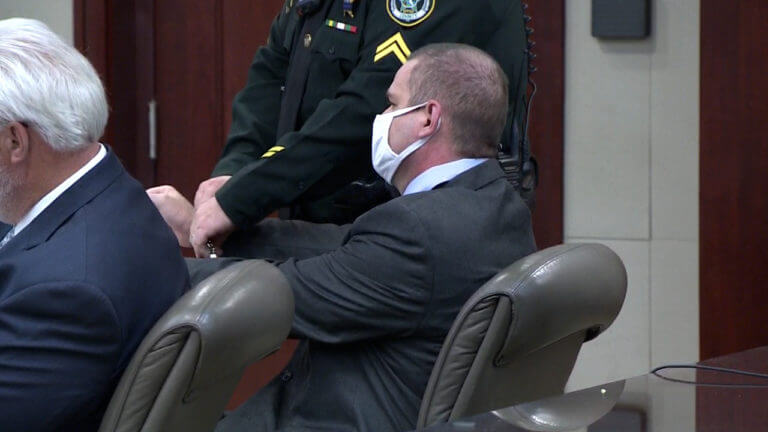
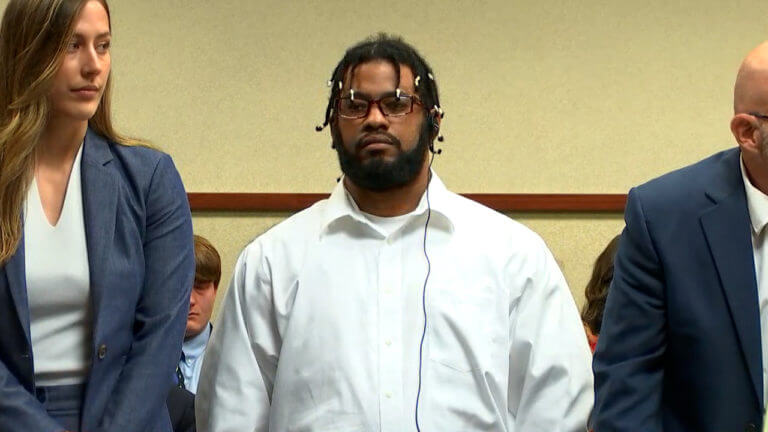
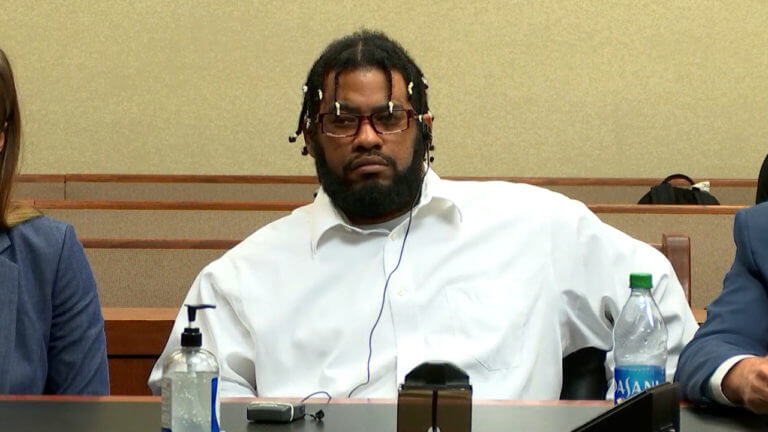
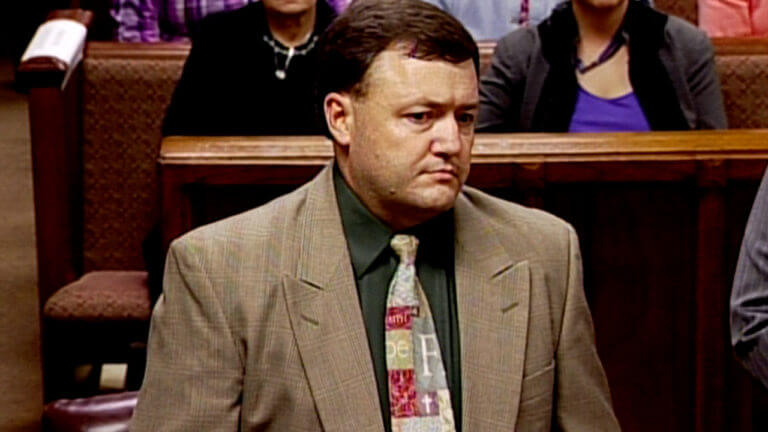
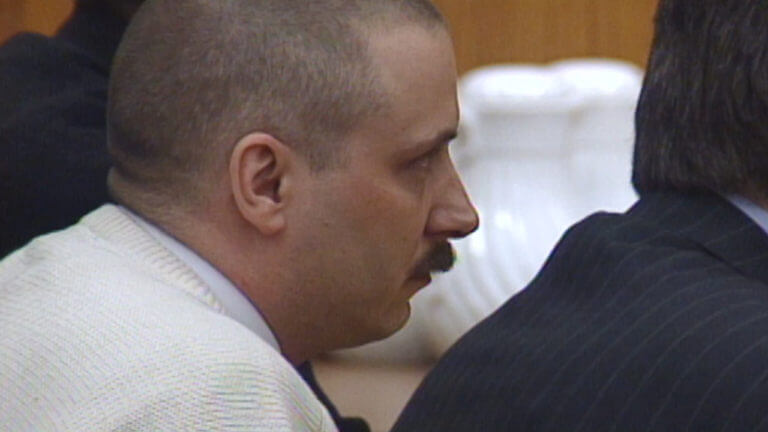
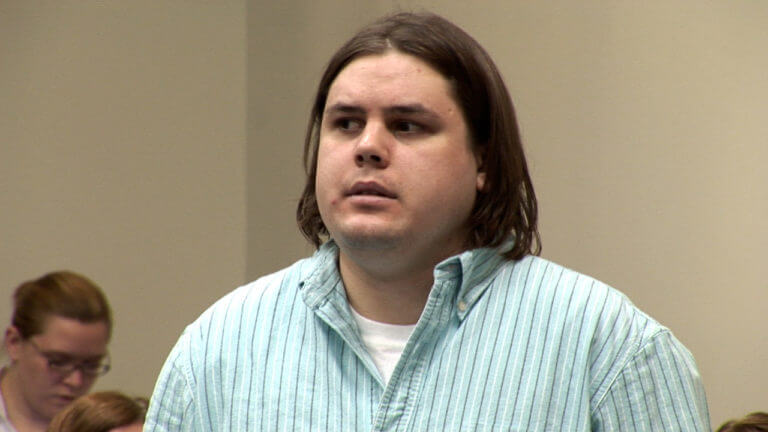
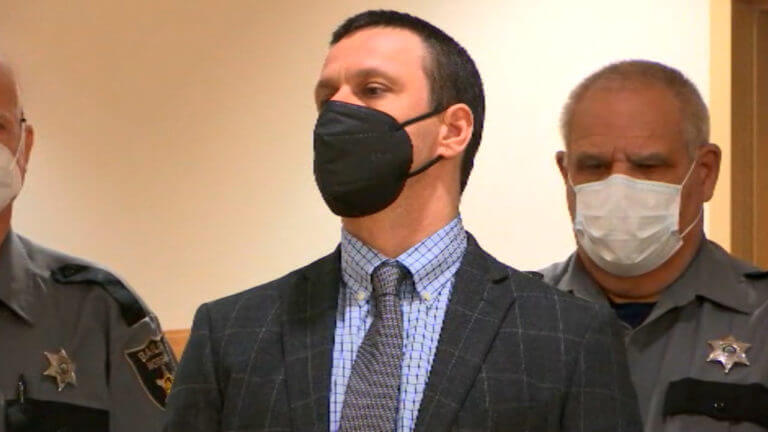
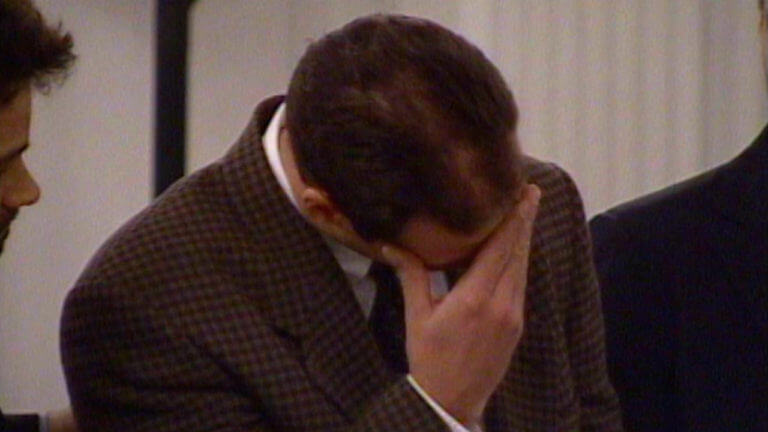
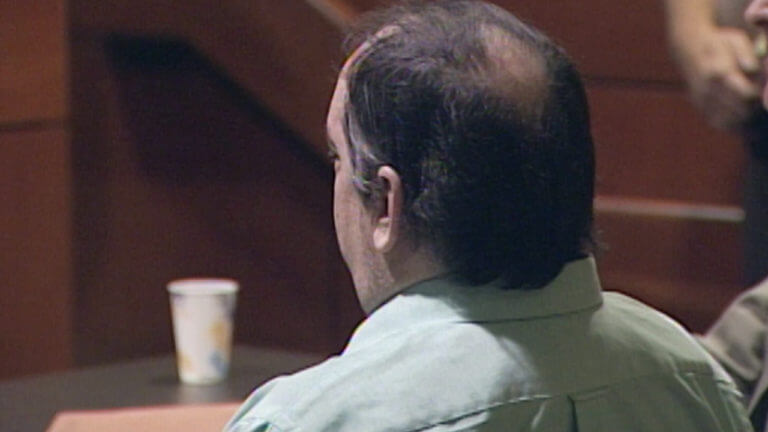
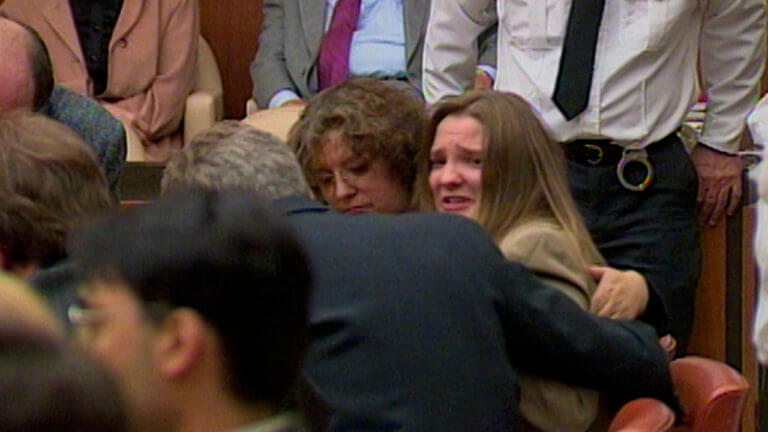
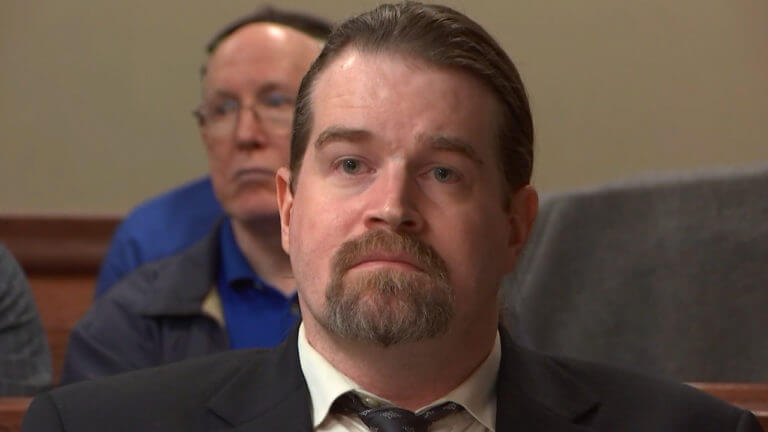
Mark Crotts, a member of a prominent furniture family in Graham, North Carolina, stood trial a second time for the November 24, 1990, killings of Willie and Alma Gilliam. The elderly couple was found dead in their farmhouse.
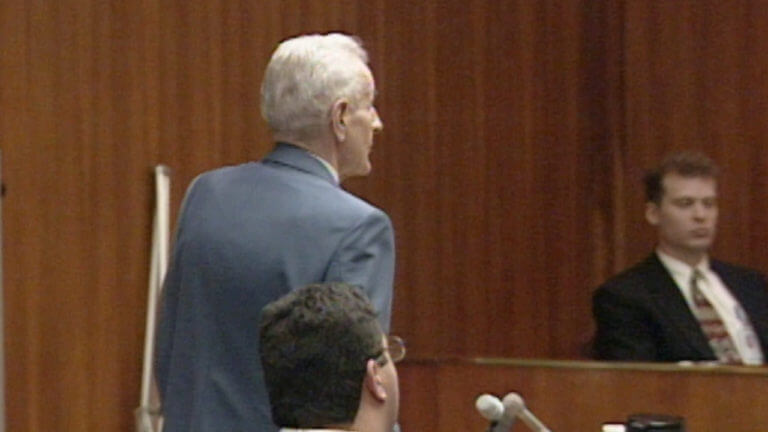
Arrested 10 months after the crime, Crotts was convicted in 1992 and given two life sentences. In 1993, his father, Paul Crotts, asked prominent attorney F. Lee Bailey to represent his son.
Bailey took the case, and was able to get the conviction overturned on appeal. Bailey argued that Crotts had been poorly represented at his first trial. He also argued that a jailmate of Crotts, who testified that Crotts confessed the killings to him, had lied.
During the retrial, the state's main witness again was jailmate Billy Joe Wilson. Wilson testified that Crotts visited his cell often to smoke a cigarette or marijuana. On one of those visits, Wilson said, he asked Crotts if he killed the Gilliams."I don't know if I did or not. I guess I did,'' Wilson recalled Crotts telling him. "I dressed up in my camouflage clothing, went down to where they live at and waited for them to go to sleep. I seen Mr. Gilliam sitting there in his chair. I went on him with my knife. I was stabbing him and his wife came in there screaming, 'Don't kill him! Don't kill him!' ''
Crotts, 27, was suspected in the killings because he and Willie Gilliam had a long-standing dispute over some rental property. Crotts rented a building across the street from the Gilliam home and tried to start a taxidermy business. But he and the Gilliams didn't get along and Crotts eventually moved the business out of the building. The defense attacked Wilson's credibility, and pointed out the lack of physical evidence linking Crotts to the killings. Crotts had been arrested after authorities found a knife with a chipped blade in a trash pile on the former property of Crotts' mother. The knife did not have any blood or fingerprints on it. The stab wounds suffered by the Gilliams were consistent with wounds that could have been caused by the knife. Crotts admitted that he had a knife like the one authorities discovered but said he had gotten rid of it several years earlier because the tip had broken off. Verdict
A mistrial was declared on December 22, 1995, after the jury reported that it was hopelessly deadlocked.