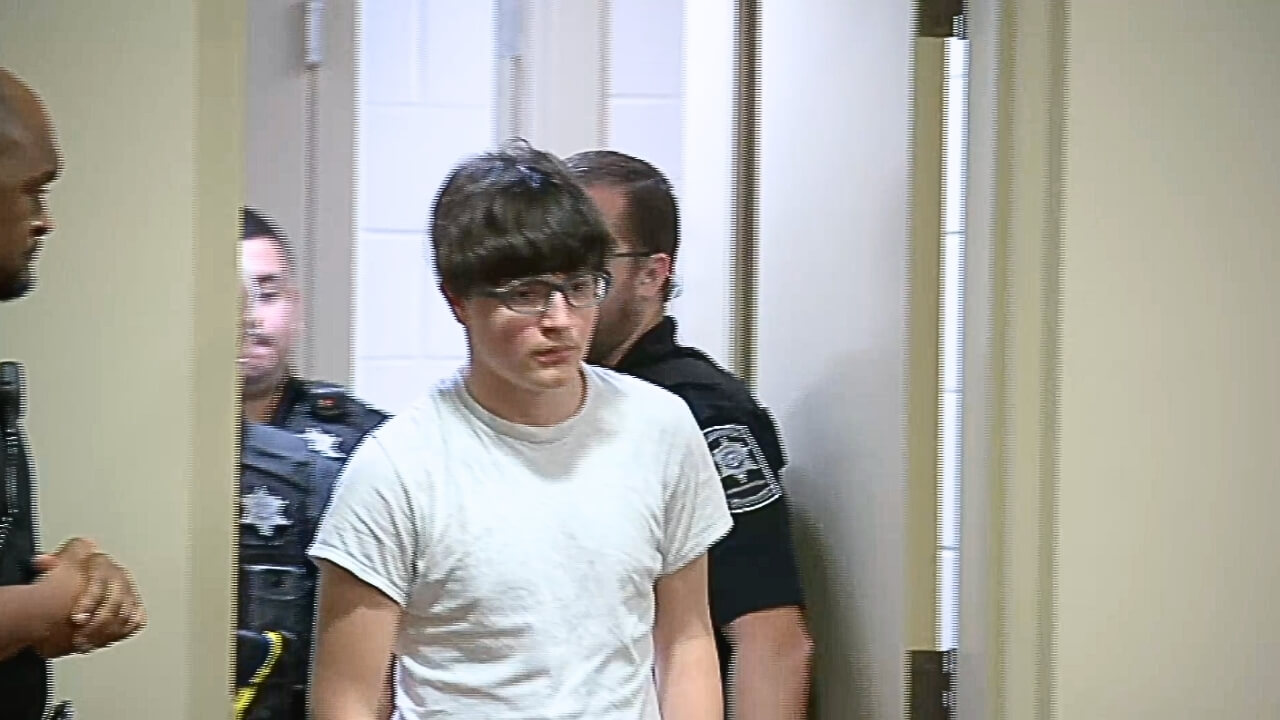
Big win for Colt Gray after he gets his trial moved
A judge granted a motion by Colt Gray's defense attorney to move his trial out of Atlanta, Georgia, after the prosecution did not object. More
May 28, 2026


A judge granted a motion by Colt Gray's defense attorney to move his trial out of Atlanta, Georgia, after the prosecution did not object. More
May 28, 2026

Defense counsel for Lindsay Clancy and prosecutors in her case discussed outstanding trial preparations during a hearing on Thursday. More
May 28, 2026

The 16-year-old accused of murdering his 18-year-old stepsister allegedly walked around the cruise ship after stuffing her body under a bed. More
May 28, 2026

Brent Metz allegedly shot a teenager in the face when the boy was looking around his property for a photo shoot location. More
May 27, 2026

Timothy Hudson, accused of killing his stepsister Anna Kepner on a cruise ship will remain out on bond, at least for now. More
May 27, 2026
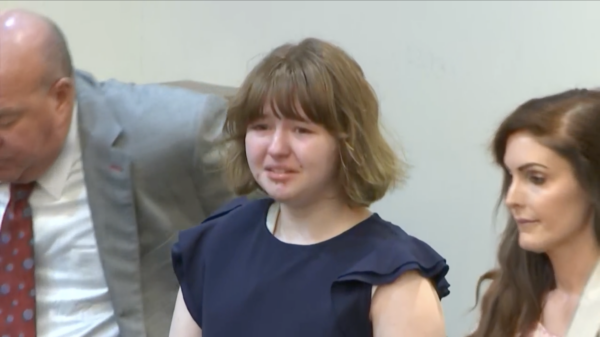
The Mississippi Supreme Court heard oral arguments as attorneys for Carly Gregg seek to overturn her life sentence. More
May 27, 2026

Rick Chow is charged with the murder of 14-year-old Cyrus Carmack-Belton, who was accused of shoplifting before he was shot. More
May 27, 2026

In a statement, the Michigan Attorney General's Office refused to say whether they would refile charges against Kimberly Park. More
May 26, 2026

Jacqueline Reid has pleaded not guilty to murder charges after allegedly killing a 17-year-old pregnant girl and leaving her body in a ditch. More
May 26, 2026

Sean Brewer pleaded not guilty to a charge of manslaughter in the death of his wife, who was found shot in the couple's bed. More
May 26, 2026

Savanah Collier faced charges after her new husband intentionally hit his best man with a car on their wedding night. More
May 26, 2026

Prosecutors will be able to use Henry Tenon's sworn statement against him when he stands trial for the murder of Jared Bridegan. More
May 26, 2026

Matthew Hertgen was found not guilty by reason of insanity for the murder of his brother while experiencing psychotic delusions. More
May 26, 2026

Richard Thorpe has pleaded not guilty in the death of his ex-girlfriend, Virginia Cookson, who was found strangled in her home. More
May 25, 2026

Prosecutors said that Thomas Gilbert Jr. killed his father because he was upset that his weekly allowance was being cut. More
May 23, 2026

Eugene Louis-Jacques was convicted of murder and other charges in the death of his girlfriend, roller-skating influencer Beauty Couch. More
May 22, 2026

Da'quel Collins shot and killed himself after getting a hold of a gun that his uncle, Quintell Collins, had been using in a rap video. More
May 22, 2026

Martina Esqueda pleaded guilty to kidnapping and felonious assault after brutally beating a victim for days at an Ohio home. More
May 22, 2026

Alicia Andrews was convicted of manslaughter after traveling with her boyfriend and others to kill rapper Julio Foolio. More
May 22, 2026

Alysia Adams pleaded guilty to murder and other charges in the death of 4-year-old Athena Brownfield, who was found weighing just 23 pounds. More
May 21, 2026

Tyler Brown has pleaded not guilty to multiple charges, including armed assault with intent to murder, after allegedly firing at cars. More
May 21, 2026

Judge Rebecca Robinson dismissed charges against Ebony Parker before the defense presented its case to the jury. More
May 21, 2026

Ebony Parker, the former assistant principal at Richneck Elementary School, had pleaded not guilty to eight counts of child abuse. More
May 21, 2026
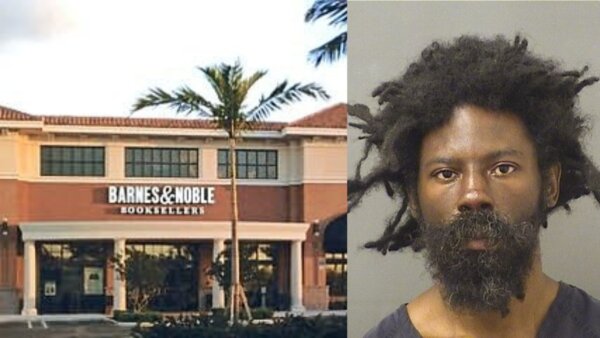
Antonio Moore is charged with murder in the death of Rita Locharich, who was stabbed in the back at a Barnes & Noble while shopping. More
May 20, 2026

Ross Johnson has pleaded not guilty to charges of manslaughter and aggravated battery in the death of Dayvon Larry. More
May 20, 2026

Gabriela Gonzalez, her ex-boyfriend, and her father are all charged with plotting the murder-for-hire of former boy band member Jack Avery. More
May 20, 2026

Eugene Louis-Couch has pleaded not guilty to the murder of his girlfriend, roller skating influencer Beauty Couch. More
May 20, 2026

Christopher Horne pleaded guilty to second-degree murder and three counts of attempted robbery as part of an agreement with prosecutors. More
May 19, 2026

Francisco Gonzalez and his daughter, Gabriela Gonzalez, are facing charges for an alleged murder-for-hire plot targeting Jack Avery. More
May 19, 2026

Abigail Zwerner was the first witness called to testify against Ebony Parker, three years after she was shot in her classroom. More
May 19, 2026