DEDHAM, Mass. (Court TV) — With a federal deadline looming for the destruction of documents tied to former Massachusetts State Police Trooper Michael Proctor, tensions flared in Norfolk Superior Court Tuesday over whether defense attorneys can get a look at the so-called “Proctor files” before they vanish.

Brian Walshe appears in court for a hearing Thursday, July 24, 2025. (Court TV)
The hearing centered on discovery disputes in several high-profile cases, including the upcoming murder trial of Brian Walshe, accused of killing and dismembering his wife, Ana Walshe, and the case of Myles King, charged in a 2021 shooting. Defense teams assert prosecutors have an obligation to review the files for information that could potentially exonerate their clients. In Walshe’s case, the defense is looking for exculpatory evidence that would compel the judge to grant their motion to dismiss the charges before going to trial.
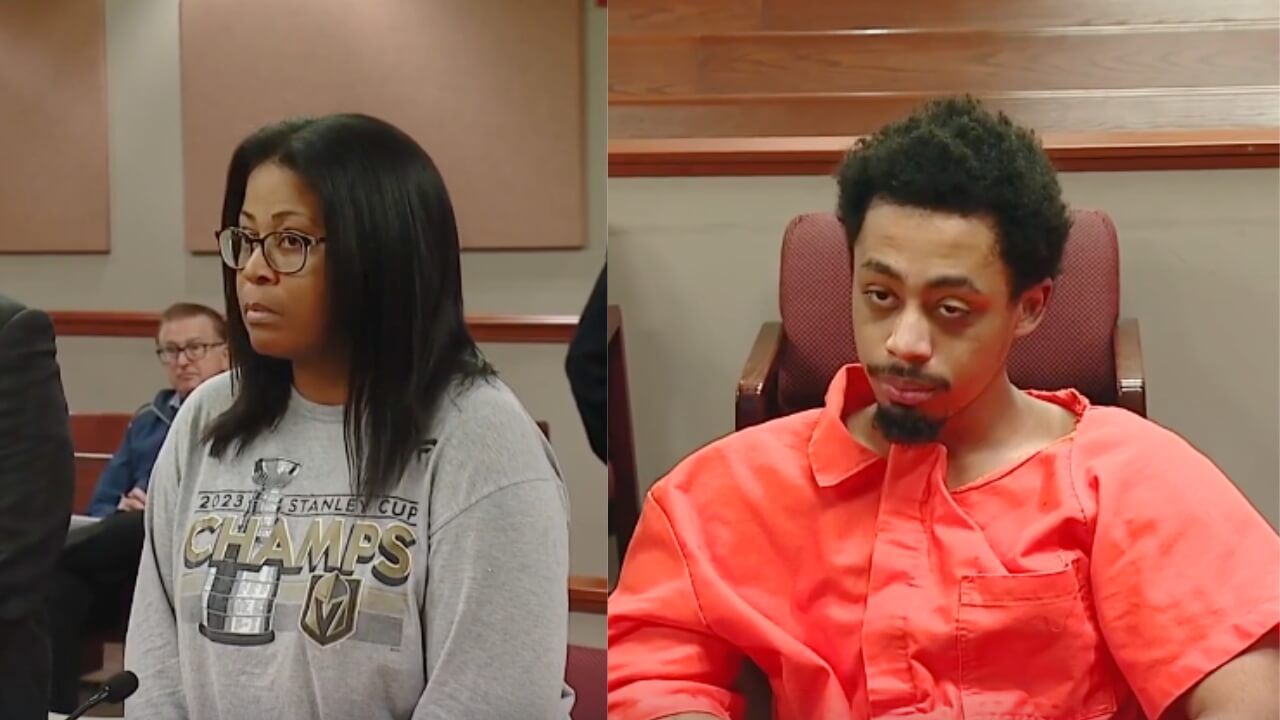
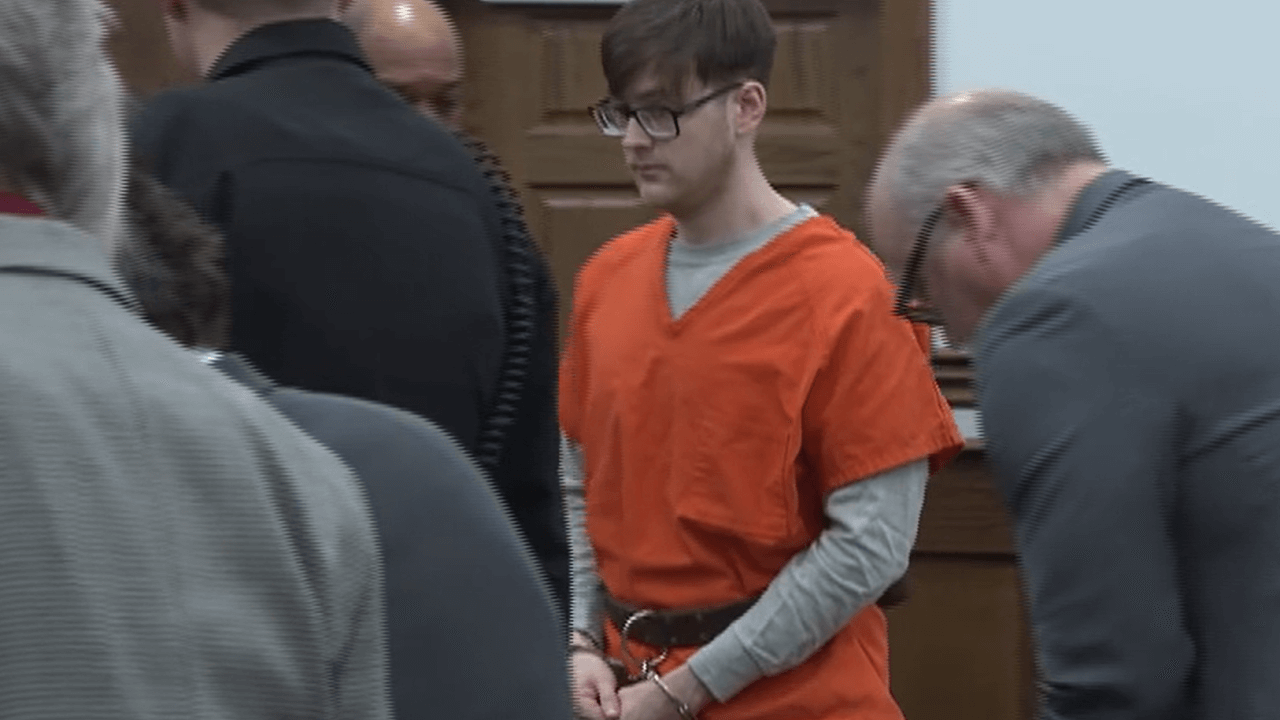
In a significant development, federal prosecutors agreed to release some of Proctor’s communications related to the Karen Read investigation to Walshe and four other Norfolk County defendants whose cases somehow involved Proctor. This includes defendants King, Shawn Johnson, Jovani Delossantos, and Bianca Chionchio, with all but Chionchio facing murder charges. The communications will consist of the same 168 pages of messages previously turned over to the lawyers in the Karen Read case.
The Commonwealth also announced it had filed a motion to intervene in the destruction of the remaining files from the Read federal probe, which are slated for destruction on Monday due to an extended court-ordered deadline.
Prosecutors maintain that they have the documents but cannot review or release them without a federal court order. U.S. District Judge Denise Casper has ordered that the records be destroyed by Monday. In court, Norfolk County prosecutors argued that the order bars them from reviewing the remaining materials disclosed by the federal government in the Read case for information that could benefit the defendants.
Massachusetts State Trooper Michael Proctor testifies during Karen Read’s trial, Wednesday, June 12, 2024 in Norfolk Super Court in Dedham, Mass. (Greg Derr/The Patriot Ledger via AP, Pool)
However, Larry Tipton, a lawyer for Walshe, countered that prosecutors must fulfill their constitutional obligations and go through the materials at their disposal. He stated that the federal court order did not prevent them from reviewing these documents. Tipton emphasized that a prosecutor handling both the Read and Walshe cases found exculpatory information in an unrelated case during her review of the materials, yet was prohibited from sharing it.
Judge Peter Krupp questioned the prosecution’s assertion that federal constraints barred them from reviewing the materials, reminding them that State discovery rules require evidence favorable to the defense be disclosed. When prosecutors stuck to their stance, King’s attorney Rosemary Scapicchio accused them of evading their constitutional responsibilities, while Walshe’s attorney described their reasoning as “creative thinking.”
Judge Krupp urged both sides to streamline their arguments and clarify their positions, noting the years-long delays and the fast-approaching deadline. Defense attorneys worried that with Proctor’s past investigations under scrutiny, the evidence could greatly impact some of Massachusetts’ most closely watched trials.
This story was reported by Emanuella Grinberg and has been converted to this platform with the assistance of AI. Our editorial team verifies all reporting on all platforms for fairness and accuracy.