









Margaret Rudin spent two decades behind bars after she was found guilty of murdering her husband, real estate developer Ron Rudin. More
The Latest News
View All

The trial of Chad Daybell, accused in the death of his first wife and the two youngest children of his second wife, Lori Vallow, is... More

Heather Pressdee was given three consecutive life sentences and another consecutive term of 380-760 years behind bars. More

UPDATE: The trial of Karen Read, accused in the death of her police officer boyfriend John O'Keefe, is underway in Massachusetts. More

Christopher Gregor is charged with murder after he allegedly abused his six-year-old son and forced him to run on a treadmill. More

Chad Doerman's attorneys asked that potential death sentence be dropped, citing his 'serious mental illness at the time of the offense.' More

James Craig, who's accused of killing his wife, allegedly asked a fellow inmate to plant evidence in exchange for free dental work. More

Dan Schneider sued the makers of "Quiet on Set" alleging the documentary series wrongly implied that he sexually abused child actors. More

The attack on Joan Naydich by then-17-year-old Brendan Depa has ignited a national debate over what punishment a student with special needs should receive. More

After performing oral sex on the man, Crystal Skiba allegedly said, 'You know you can't leave without paying me, right.' More

Gowun Park told the judge, "I carry sincere grief, remorse and regret for my husband's death," before she was sentenced for killing him. More

Prosecutors asked for a September retrial for Harvey Weinstein during a hearing at a Manhattan courthouse Wednesday. More







TRIAL ARCHIVES


WI v. DAHMER (1992)
Jeffrey Dahmer is facing life in prison or admittance to mental institution for the killings of 15 boys and men.
WATCH NOW
SC v. MURDAUGH (2023)
Alex Murdaugh is accused of killing his youngest son, Paul, and wife, Maggie.
WATCH NOW
CA v. MENENDEZ (1993)
Brothers Lyle and Erik Menendez are on trial for the shotgun murders of their parents, Jose and Kitty Menendez.
WATCH NOW
SC v. COLUCCI (2018)
Michael Colucci is on trial for the 2015 strangulation death of his wife, Sara Lynn Colucci.
WATCH NOW
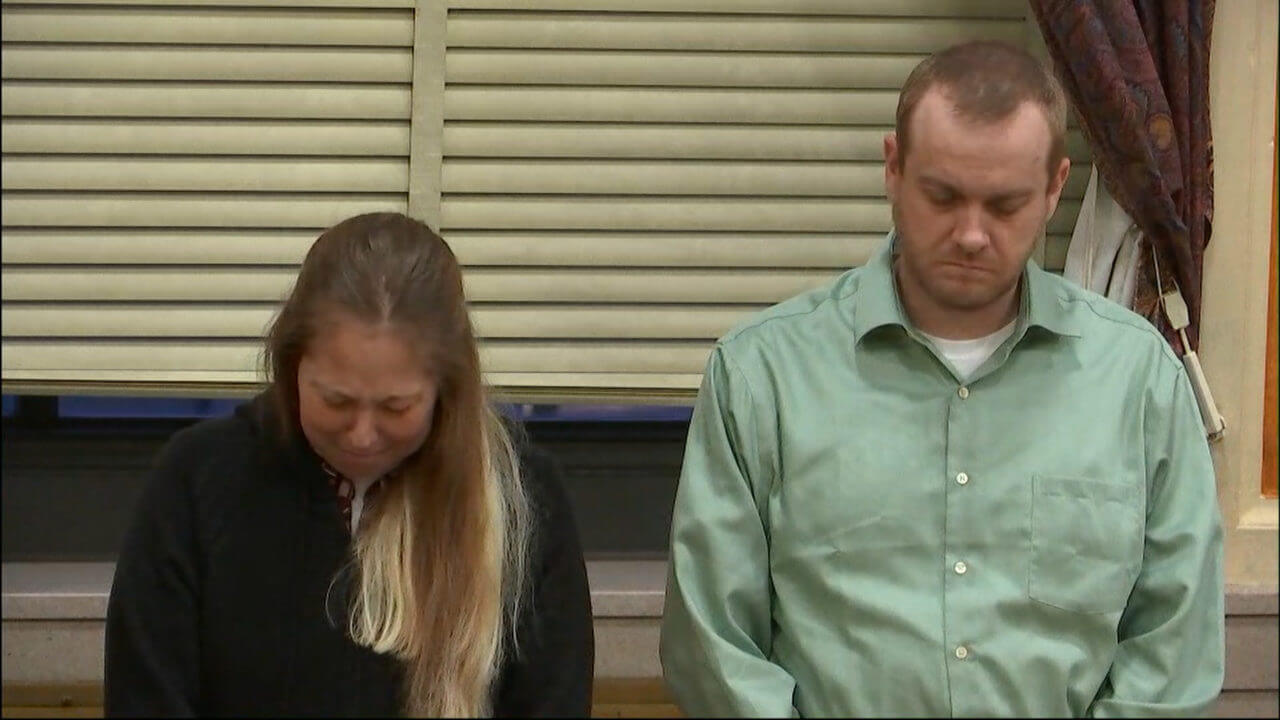
OH v. GROVES (2020)
Daniel and Jessica Groves are facing life in prison for the death of their baby whose body was found in a well.
WATCH NOW
NJ v. MCGUIRE
Melanie McGuire is on trial for the murder of her husband, whose dismembered body was found stuffed in multiple suitcases.
WATCH NOW
FL v. ANTHONY (2011)
Casey Anthony is on trial for the 2008 murder of her 2-year-old daughter, Caylee.
WATCH NOW