








Police said the plot was foiled when an inmate, asked to be a part of the murder, revealed the plan in a letter to the... More
The Latest News
View All

After a 'confrontational' pre-trial hearing, Richard Allen's trial, which had been scheduled to begin next week, was delayed until October. More

Authorities say Ronnie Wiggs 'choked' his ailing wife as she lay in a hospital bed. He is charged with second-degree murder. More

David Knezevich resembles the man who spray painted the security camera lens outside Ana Knezevich's Madrid apartment, the FBI says. More

The trial of Chad Daybell, accused in the death of his first wife and the two youngest children of his second wife, Lori Vallow, is... More
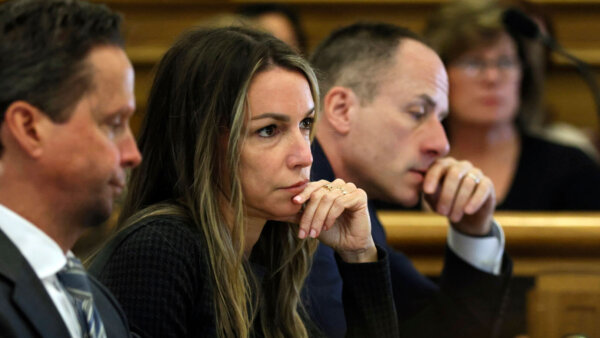
UPDATE: The trial of Karen Read, accused in the death of her police officer boyfriend John O'Keefe, is underway in Massachusetts. More

Investigators are looking into whether a photo from a visitor center in the Blue Ridge Mountains of North Carolina shows Sebastian Rogers. More
Convicted killer Darrell Brooks pleaded no contest to two charges moments before heading to trial for a domestic abuse incident. More

Christopher Gregor is charged with murder after he allegedly abused his six-year-old son and forced him to run on a treadmill. More

Kiarra Jones, who was seen on video appearing to assault a child with autism, now faces 10 additional charges of abuse involving two children. More

Margaret Rudin spent two decades behind bars after she was found guilty of murdering her husband, real estate developer Ron Rudin. More

Heather Pressdee was given three consecutive life sentences and another consecutive term of 380-760 years behind bars. More







TRIAL ARCHIVES


WI v. DAHMER (1992)
Jeffrey Dahmer is facing life in prison or admittance to mental institution for the killings of 15 boys and men.
WATCH NOW
SC v. MURDAUGH (2023)
Alex Murdaugh is accused of killing his youngest son, Paul, and wife, Maggie.
WATCH NOW
CA v. MENENDEZ (1993)
Brothers Lyle and Erik Menendez are on trial for the shotgun murders of their parents, Jose and Kitty Menendez.
WATCH NOW
SC v. COLUCCI (2018)
Michael Colucci is on trial for the 2015 strangulation death of his wife, Sara Lynn Colucci.
WATCH NOW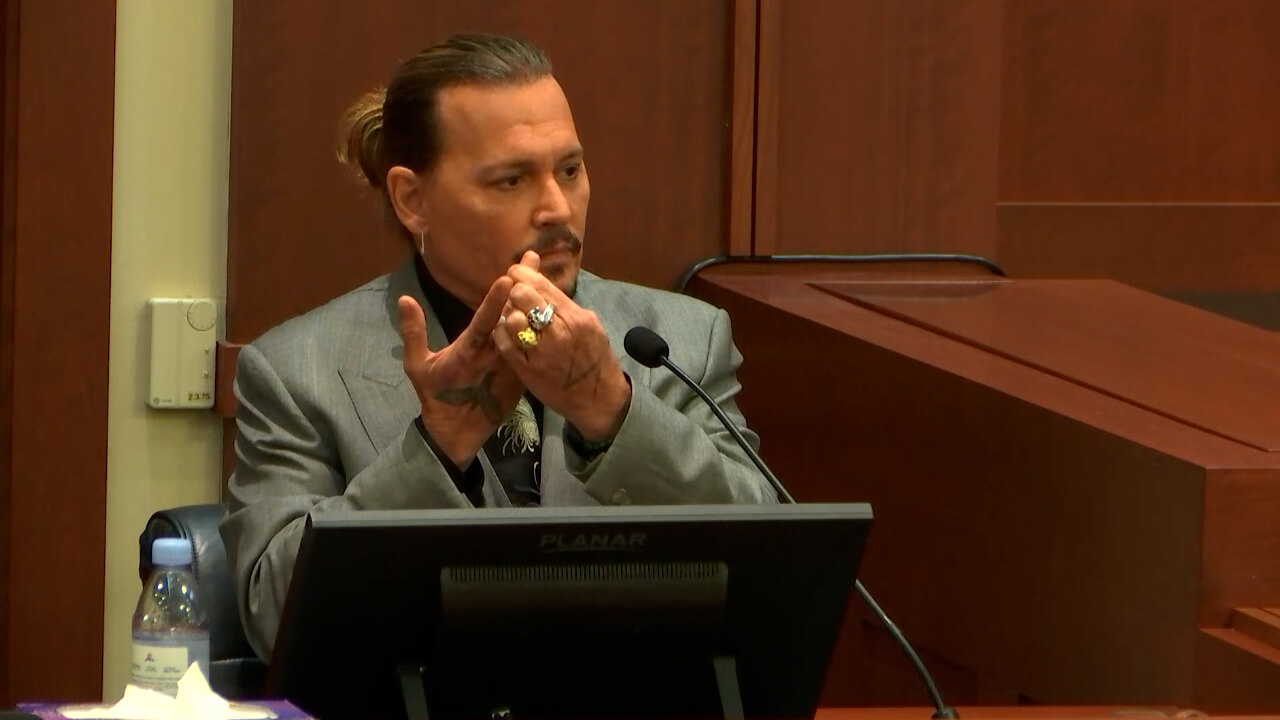
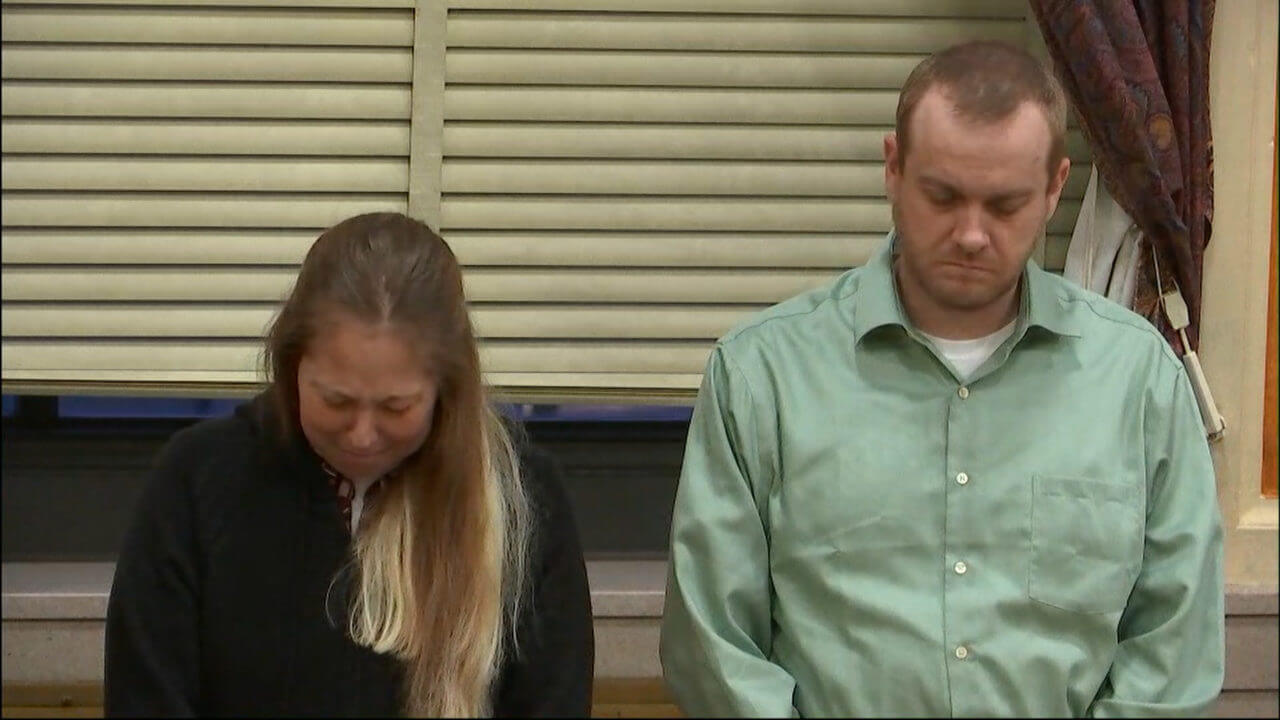
OH v. GROVES (2020)
Daniel and Jessica Groves are facing life in prison for the death of their baby whose body was found in a well.
WATCH NOW
NJ v. MCGUIRE
Melanie McGuire is on trial for the murder of her husband, whose dismembered body was found stuffed in multiple suitcases.
WATCH NOW
FL v. ANTHONY (2011)
Casey Anthony is on trial for the 2008 murder of her 2-year-old daughter, Caylee.
WATCH NOW