






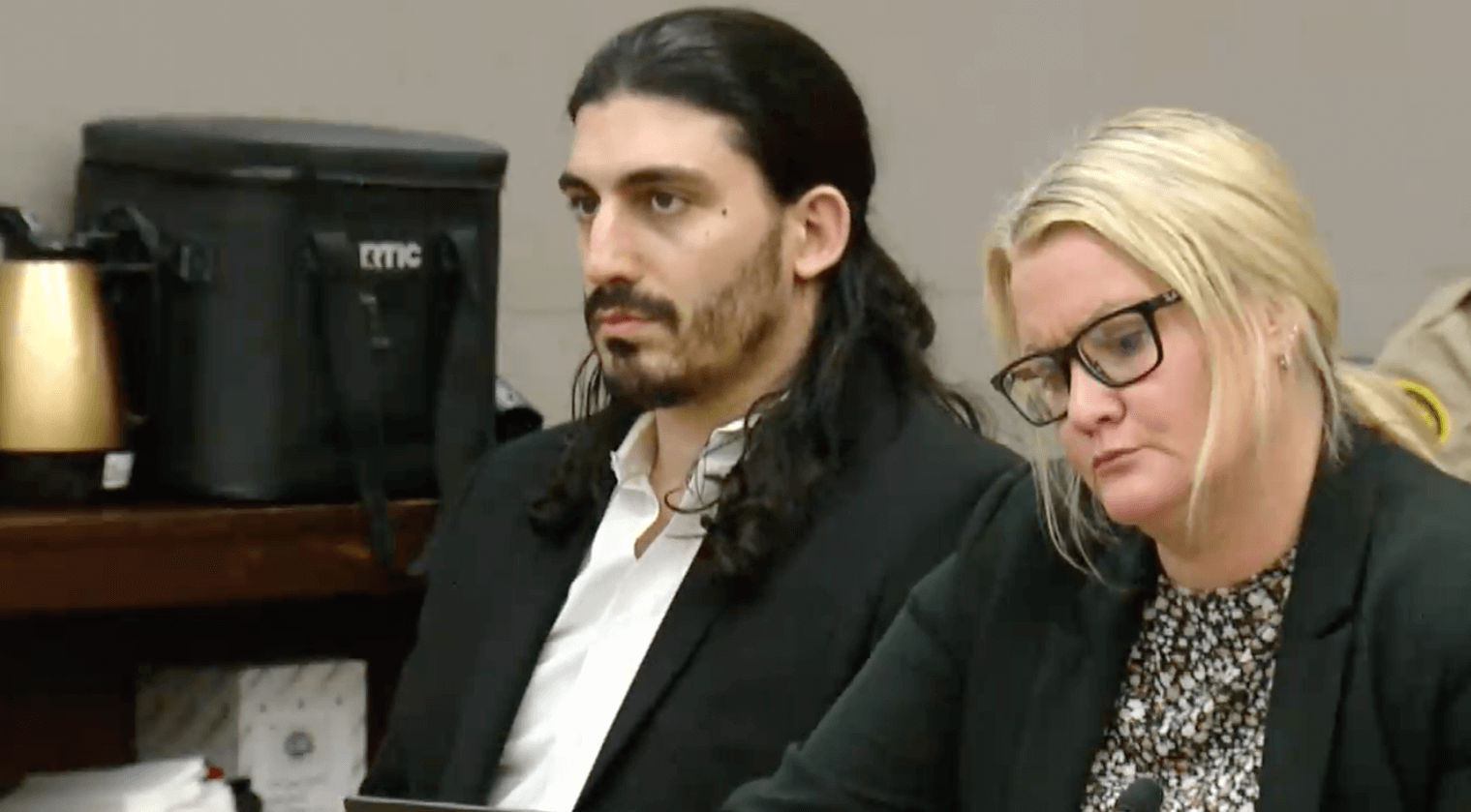

The indictment came just weeks before Jesse Calhoun was due to be released from state prison. More
The Latest News
View All
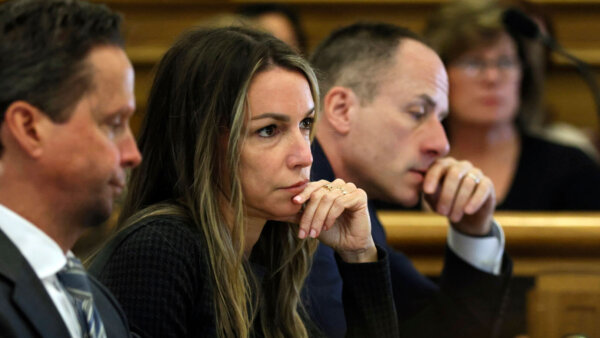
UPDATE: The trial of Karen Read, accused in the death of her police officer boyfriend John O'Keefe, is underway in Massachusetts. More

The trial of Chad Daybell, accused in the death of his first wife and the two youngest children of his second wife, Lori Vallow, is... More

New documents obtained by Court TV reveal Jennifer Soto's reaction to seeing photos of her daughter on Stephan Sterns' phone. More

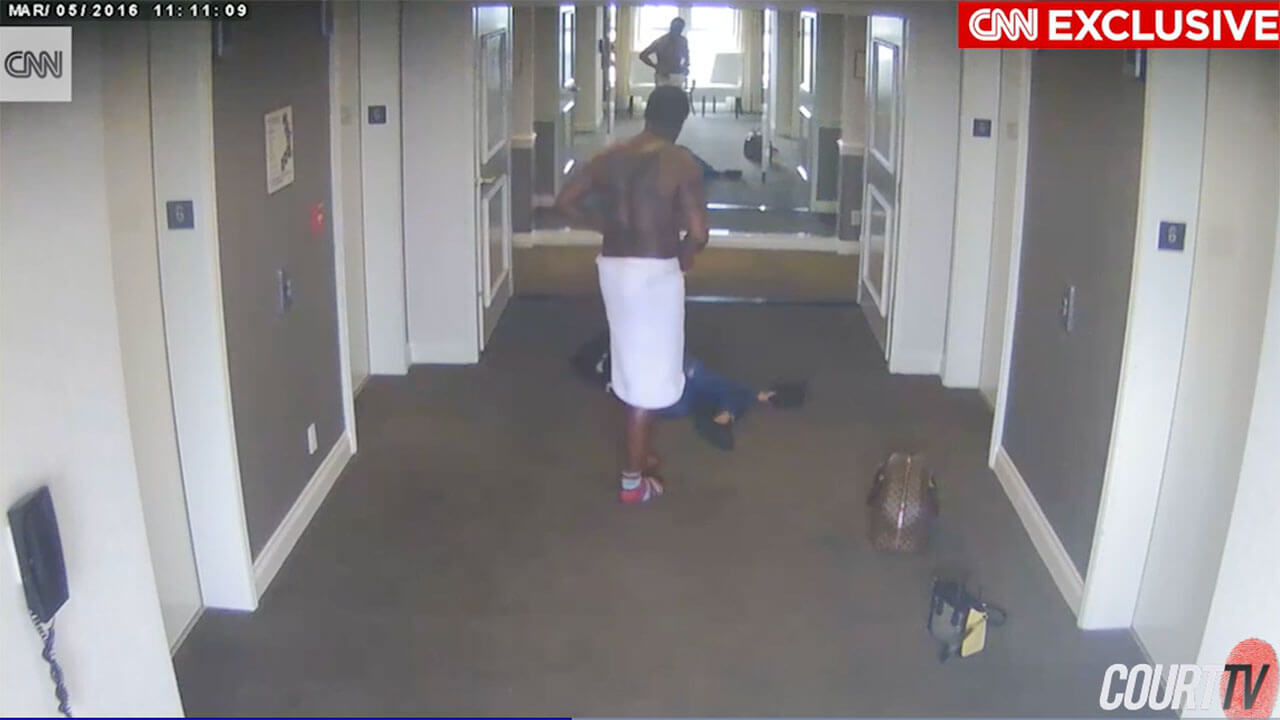
Hotel surveillance video shows Diddy brutally attacking Cassie Ventura in the hallway of a Los Angeles hotel. More

Timothy Verrill was sentenced to 90 years to life for brutally murdering two women, one of whom he worked for as part of a drug... More
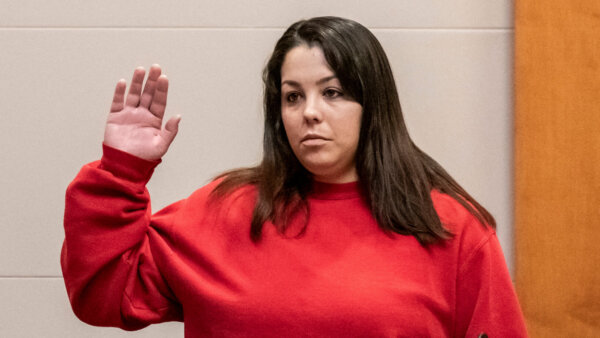
Kayla Montgomery, who testified to witnessing her stepdaughter Harmony's murder, has officially been released on parole. More
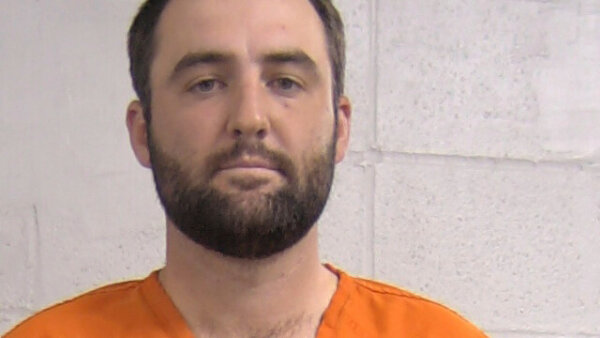
Masters champion Scottie Scheffler was arrested on his way to the PGA Championship for not following orders after a traffic fatality. More

A New Mexico judge is considering whether to dismiss a grand jury indictment against actor Alec Baldwin in the fatal shooting on the set of... More

Christopher Gregor is charged with murder after he allegedly abused his six-year-old son and forced him to run on a treadmill. More
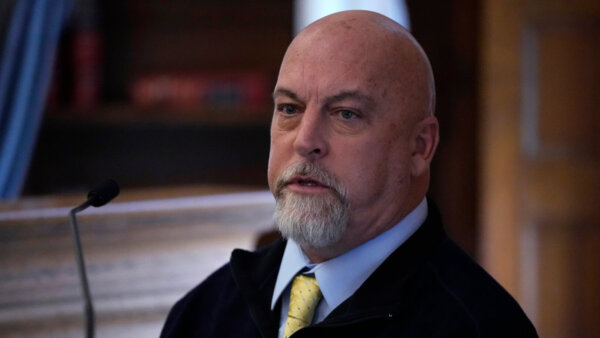
Podcast episode with testimony in the Karen Read trial from Brian Albert, the owner of the home where John O’Keefe’s body was found. More

Police say TikTok star Ali Abulaban drove to the high-rise and fatally shot his estranged wife and her friend in the face at close range. More






TRIAL ARCHIVES
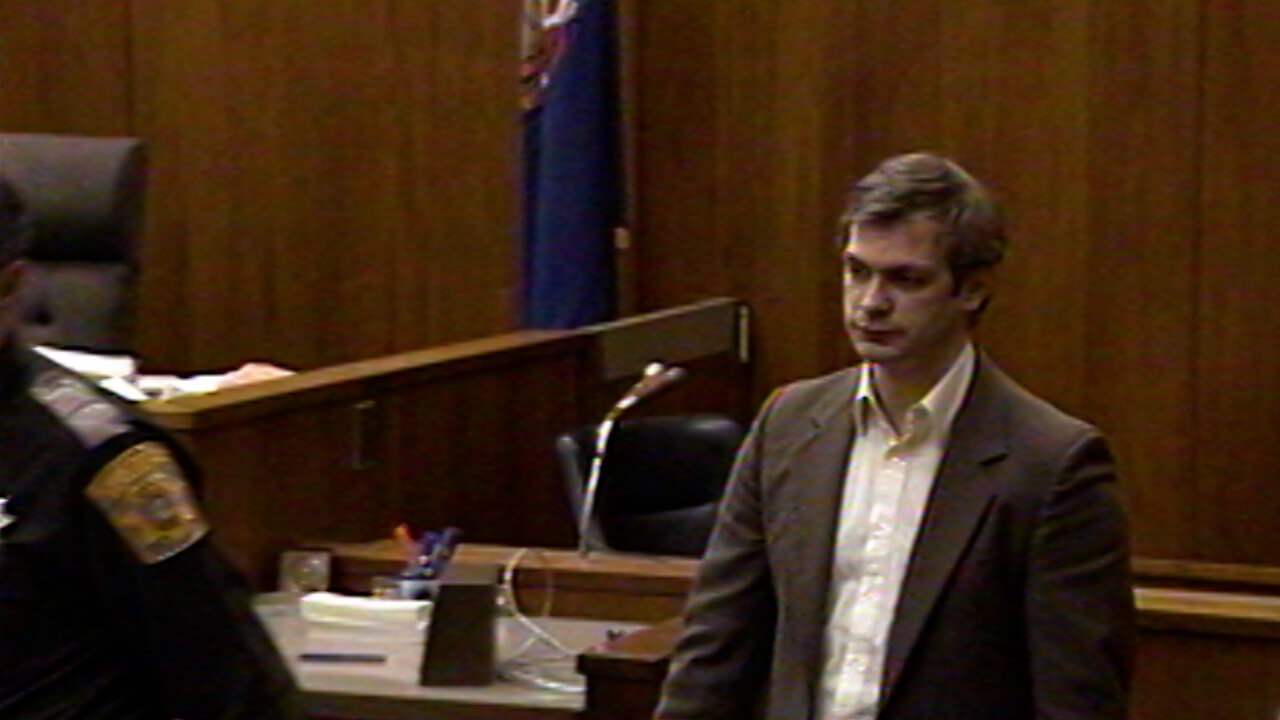

WI v. DAHMER (1992)
Jeffrey Dahmer is facing life in prison or admittance to mental institution for the killings of 15 boys and men.
WATCH NOW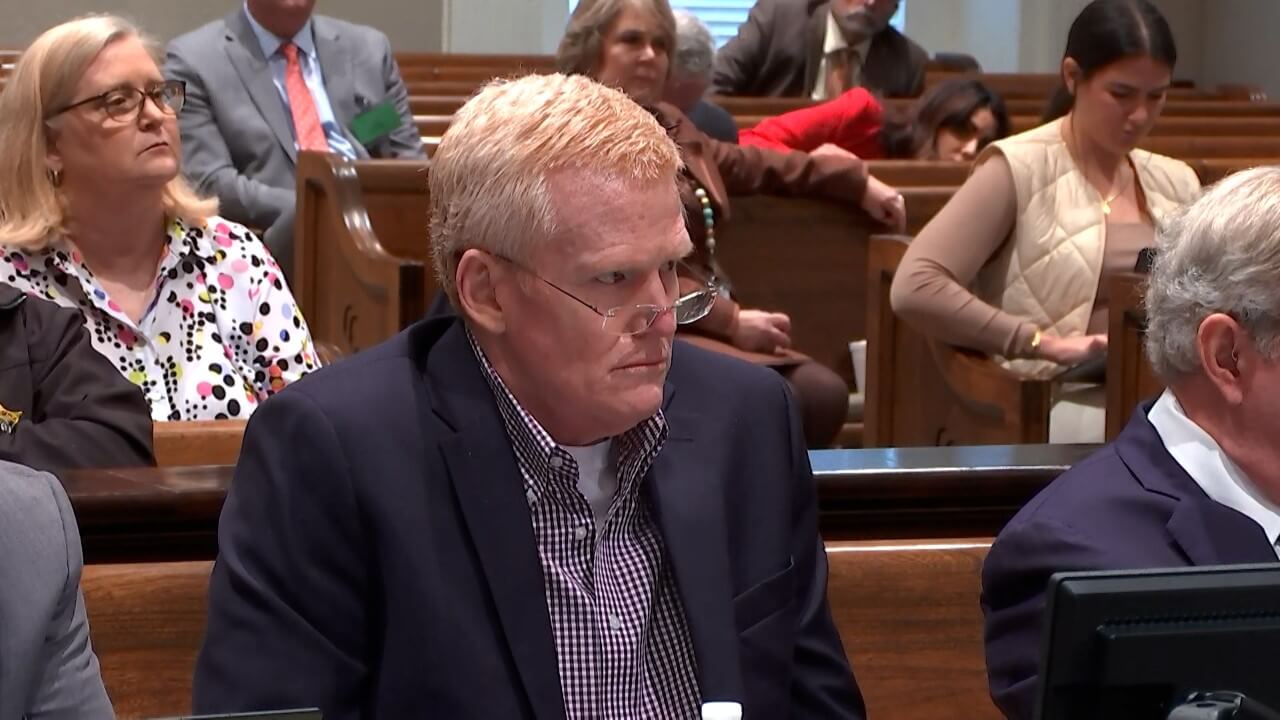
SC v. MURDAUGH (2023)
Alex Murdaugh is accused of killing his youngest son, Paul, and wife, Maggie.
WATCH NOW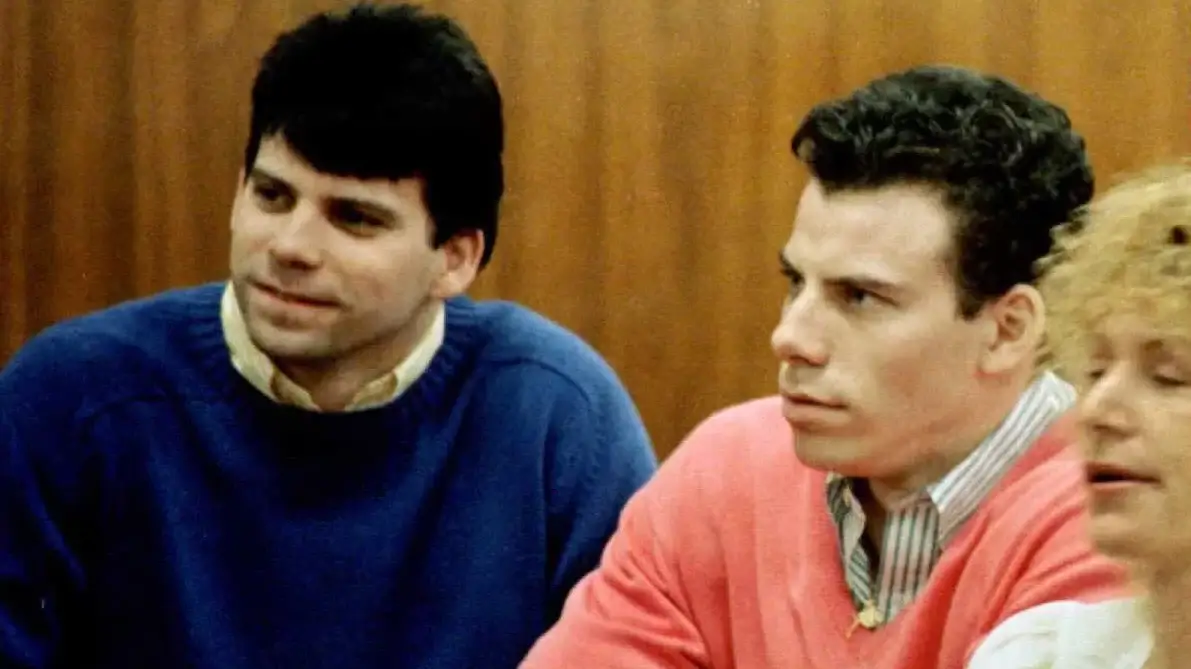
CA v. MENENDEZ (1993)
Brothers Lyle and Erik Menendez are on trial for the shotgun murders of their parents, Jose and Kitty Menendez.
WATCH NOW
SC v. COLUCCI (2018)
Michael Colucci is on trial for the 2015 strangulation death of his wife, Sara Lynn Colucci.
WATCH NOW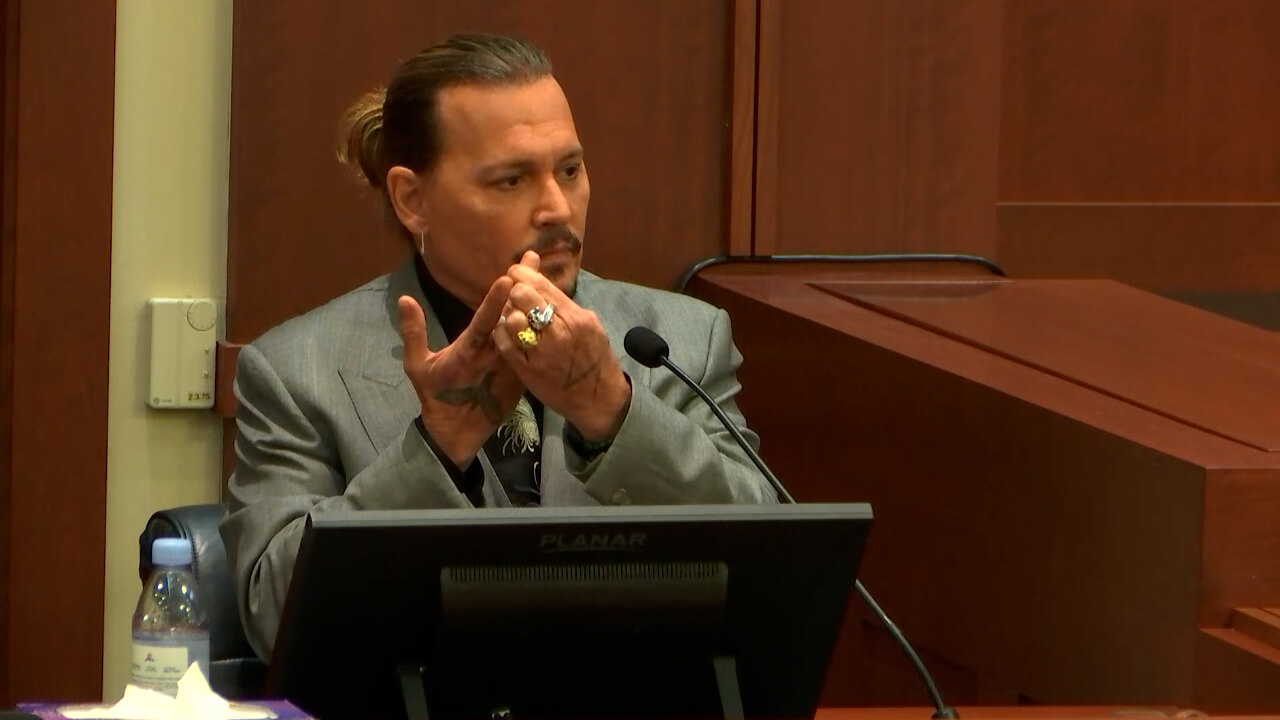
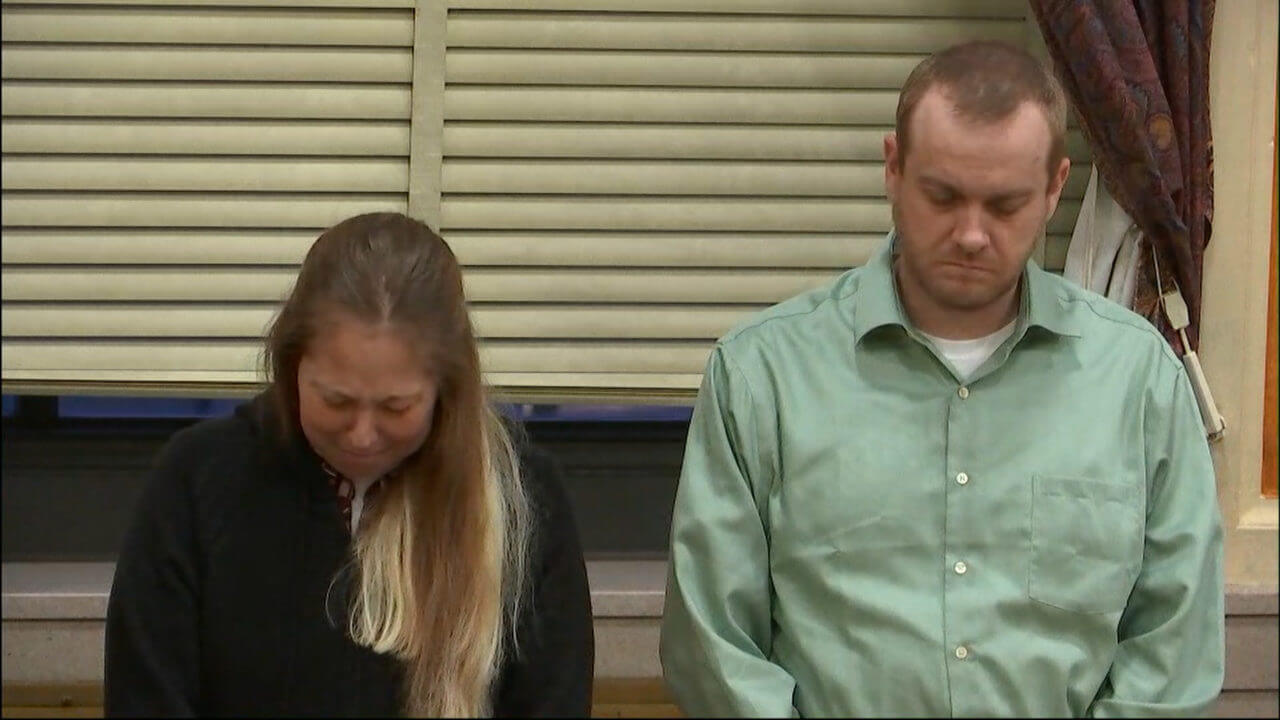
OH v. GROVES (2020)
Daniel and Jessica Groves are facing life in prison for the death of their baby whose body was found in a well.
WATCH NOW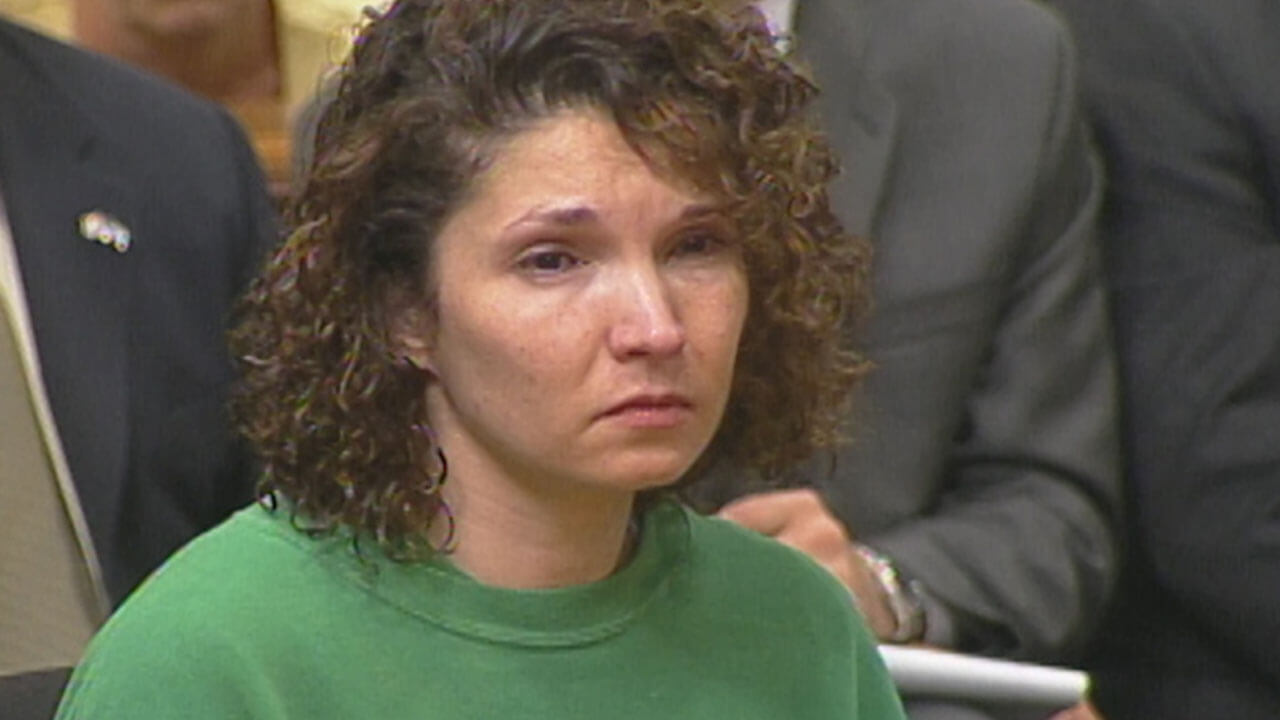
NJ v. MCGUIRE
Melanie McGuire is on trial for the murder of her husband, whose dismembered body was found stuffed in multiple suitcases.
WATCH NOW
FL v. ANTHONY (2011)
Casey Anthony is on trial for the 2008 murder of her 2-year-old daughter, Caylee.
WATCH NOW