

Updated November 7, 2000, 2:14 a.m. ET
Where it all began: 14-year-old gets life  
photo
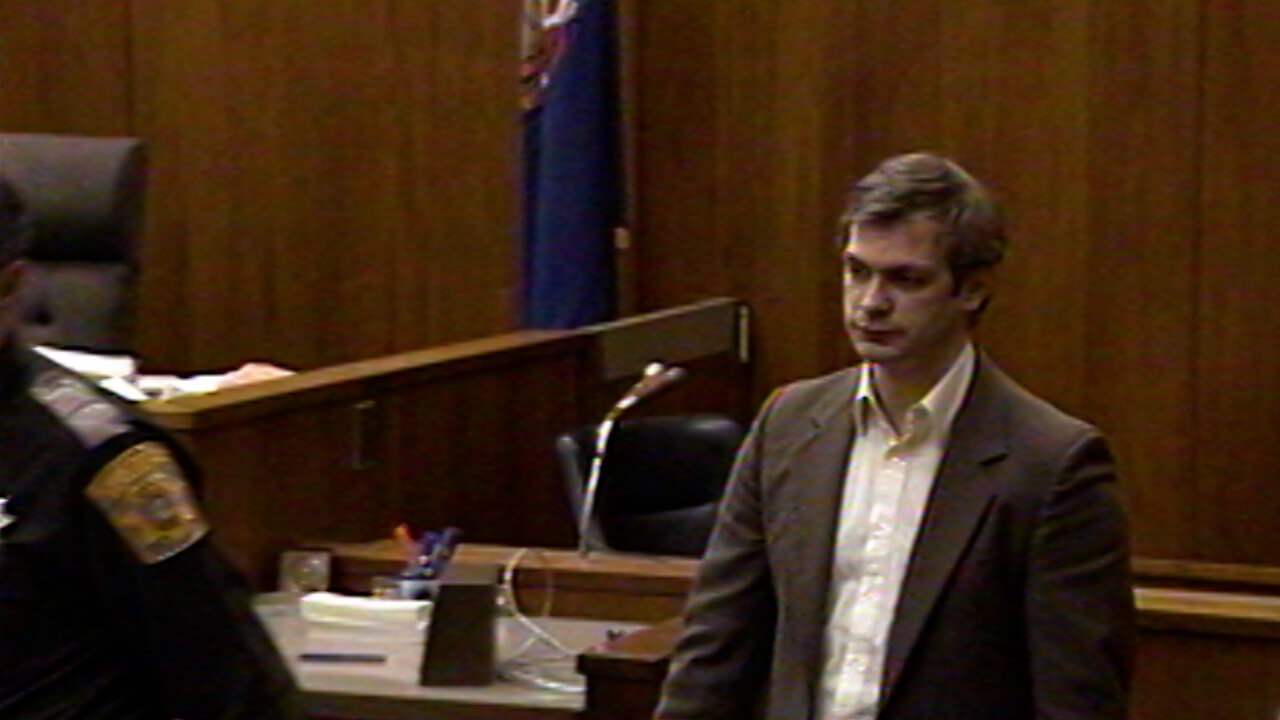
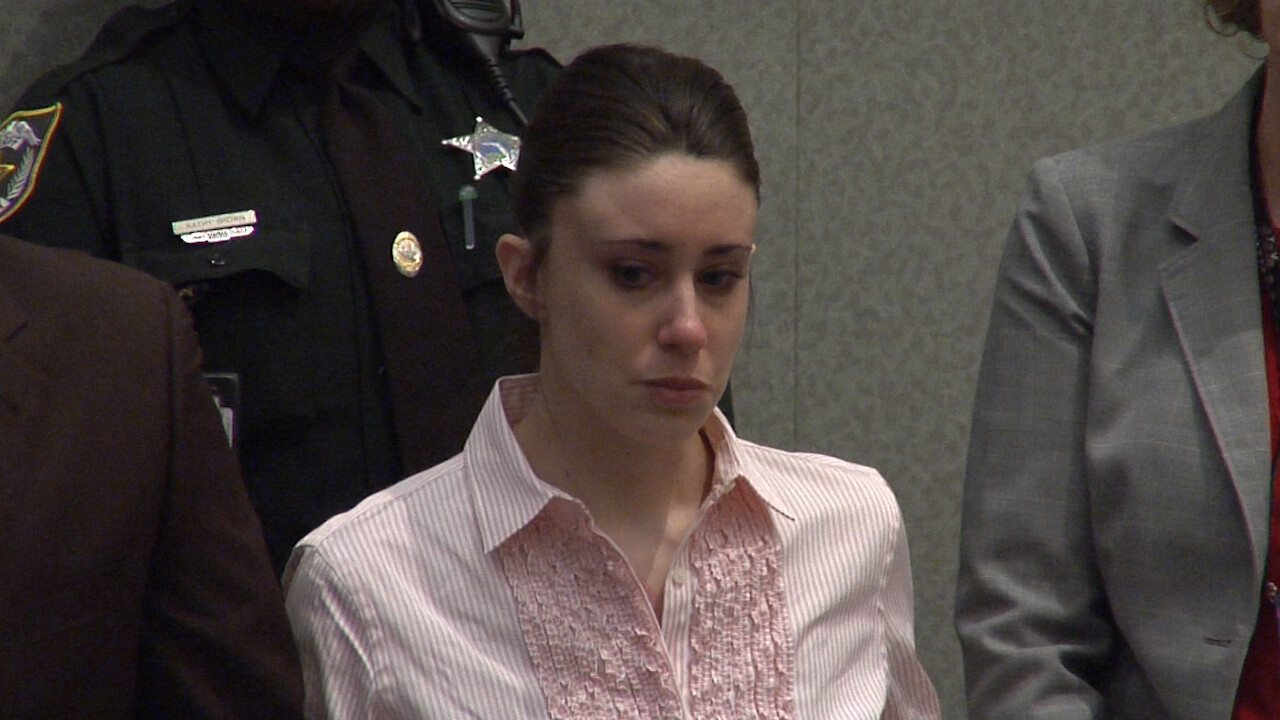
14-year-old Lionel Tate was sentenced to life in prison without parole

While most 14-year-olds have the rest of their lives to look forward to, Lionel Tate will be spending the rest of his in prison.

Unlike most boys his age, Tate was convicted of first-degree murder after imitating professional wrestling moves led to the death of his 6-year-old friend, Tiffany Eunick.

Following a state law that requires convicted first-degree murderers to receive a life sentence without parole, Judge Joel T. Lazarus handed the sentence to the teen — prompting a national public outcry that the sentence was too harsh given the defendant's age.

Lazarus defended his decision in court documents, charging that none of his critics was "privy to the horrific facts brought out during that trial; not one person sat through the pathetic testimony of the results of Lionel Tate's deeds upon the body of Tiffany Eunick."
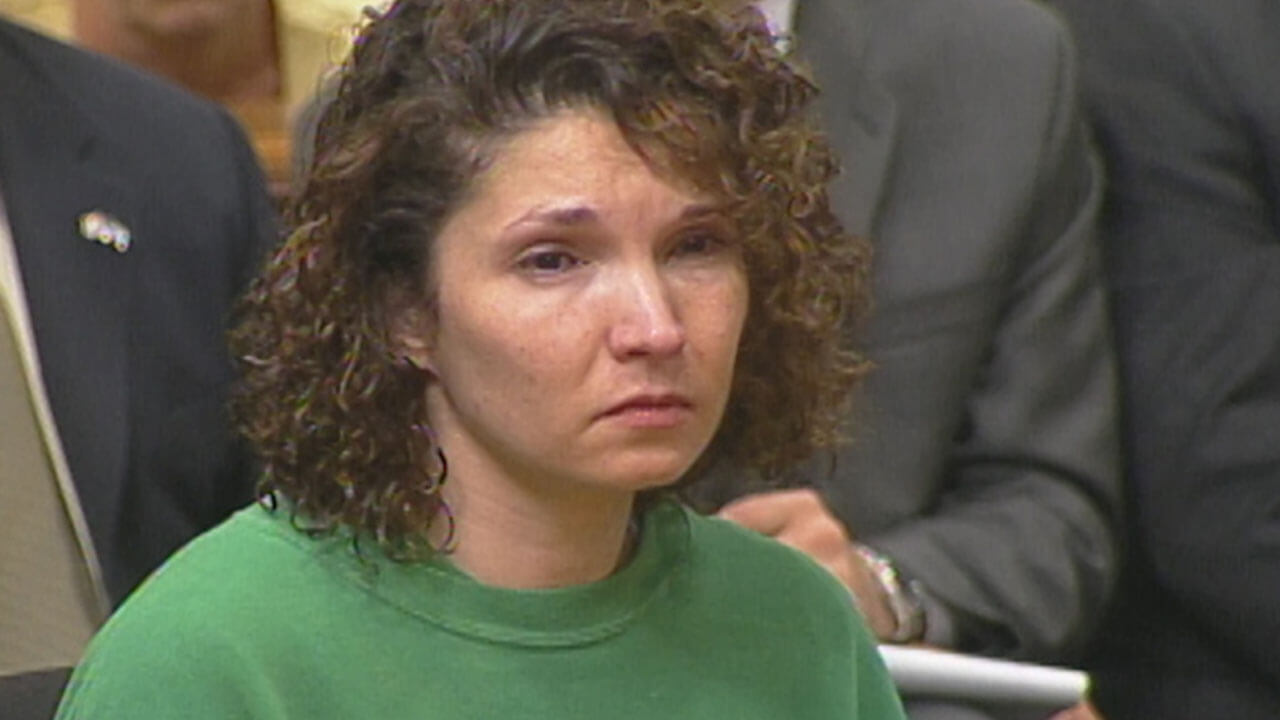
Tiffany Eunick

Television viewers will have an opportunity to watch the trial when Court TV airs the proceedings every weekday from April 27 to May 1.

According to the defendant and his mother, Eunick's death was an accident and the result of rough play. While the case is being appealed and his defense team is considering asking Gov. Jeb Bush for clemency, Tate continues to serve his life sentence.

This controversial situation, with its bizarre legal angles and strong torrents of emotion, all began on July 28, 1999 when Florida highway patrol trooper Kathleen Grossett-Tate picked up Tiffany Eunick and brought her home. A long-time friend of the girl's mother — the two grew up near each other in Jamaica — the officer had agreed to look after Eunick that evening. This was hardly unusual. Eunick had come over before in similar circumstances, and played with Grossett-Tate's son Lionel without incident.

After cooking the two children dinner and parking them in front of the television, Grossett-Tate decided to go upstairs. Shortly after 10 P.M., the kids playing grew loud enough to cause the single mother to yell down the stairwell for them to settle down. But whatever annoyance Grossett-Tate might have felt immediately disappeared, to be replaced by horror and confusion, when 40 minutes later her son informed her that Eunick had stopped breathing.
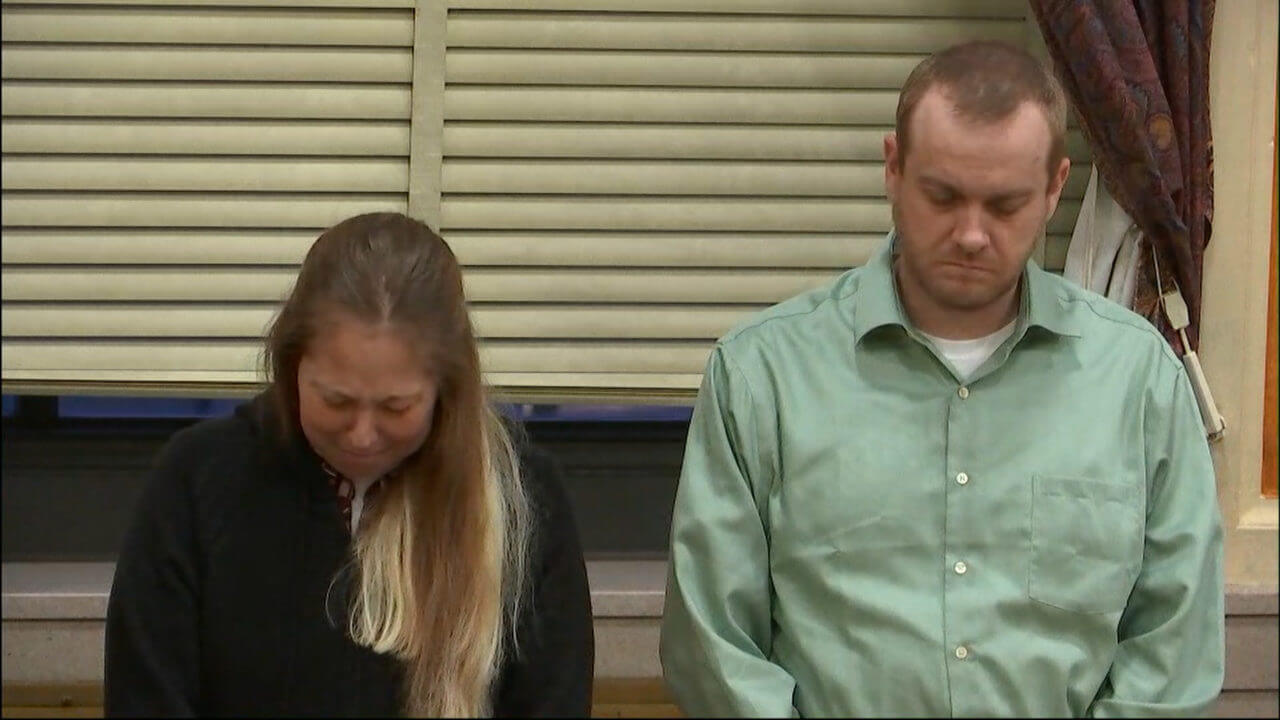
Kathleen Grossett-Tate (Court TV)

Tate claimed that he put Eunick in a headlock and banged her head on a black lacquer table, but a grand jury investigating the case wasn't so sure. The medical examiner's report turned up a host of internal injuries that hadn't been immediately recognizable by investigators. A part of the young girl's liver had even become detached, sparking speculation that Tate's blows had been much more brutal.

When Tate was indicted for the murder as an adult, two aspects of the case helped it garner nationwide attention — the age of the suspect and the bizarre, wrestling-related defense his attorneys were preparing.

Tate lawyer Jim Lewis claimed that the boy killed Eunick accidentally because he was not mature enough to understand that professional wrestling is staged. Early he in the case the defense also made an unsuccessful attempt to get several famous wrestlers to testify at the trial. Judge Lazarus agreed that wrestling elder statesman Hulk Hogan and young stars The Rock and The Sting could not be forced to participate against their wishes.

After a series of pre-trial motions, the judge decided that Lewis could use a limited form of the wrestling defense — the lawyer could show wrestling videos to jurors, and both sides could produce witnesses to address the effects that televised violence has on children.
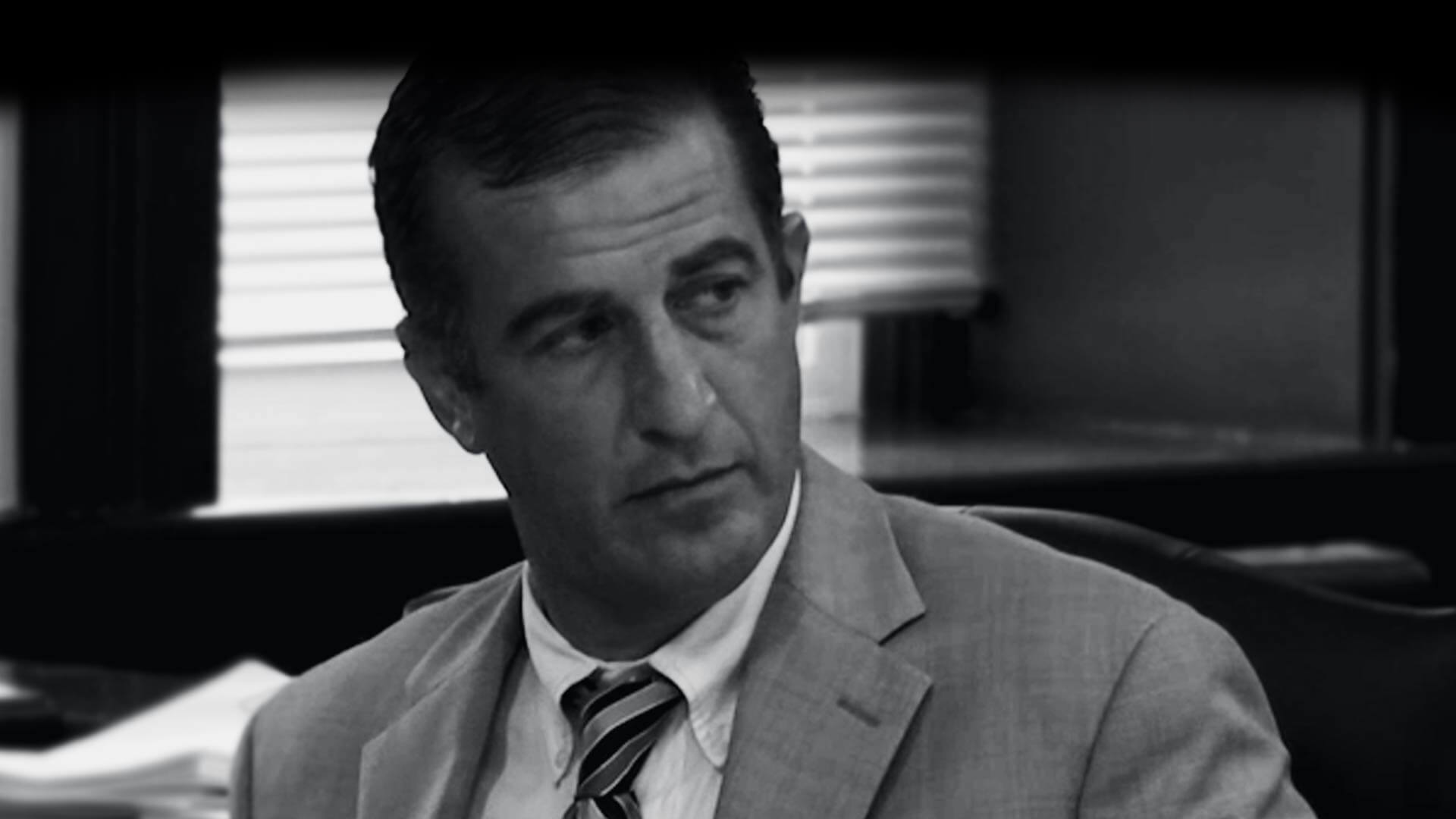
Judge Joel Lazarus (Court TV)

In the week-long trial, the two sides battled back and forth about the effect of wrestling on the young child's mind. While the defense called expert a witness to testify that Tate did not understand the difference between simulated and actual violence, the prosecution struck back with a witness of their own who claimed that the boy was old enough to make such distinctions.

Ultimately, however, the jury seemed to focus less on the influence of wrestling than on the shocking violence of the murder. After returning their verdict on Jan. 25, several jurors spoke with The Sun-Sentinel.

"The injuries were so extensive we all felt that wasn't an accident. We had to abide by the law and the law spelled it out. It wasn't just wrestling," said juror William Stevenson. With the conviction, the victim's family said they favored a life sentence for the teen.

"I'm hoping he gets life for the brutal way he murdered my daughter," said Mark James, father of slain Tiffany Eunick, to the South Florida Sun-Sentinel. "He needs to do the time for the crime and then he can be rehabilitated after that in the next life."

But Eunick's family didn't enjoy the support one might expect — both the man who prosecuted the young boy and the jury who convicted him support a reduced sentence.

"Our biggest problem was convicting a child of an adult crime," jury foreman Elise Schifano said to the Sun-Sentinel of the jury's decision. "We had no idea what sentence he would face." A former police dispatcher, Schifano even considered attending Tate's sentencing hearing to speak on Tate's behalf.

Prosecutor Ken Padowitz tried to broker a deal last year in which Tate would plead guilty in exchange for a sentence of three years in a juvenile center, followed by one year of house arrest, 10 years of probation, various psychological testing and treatment, and 1,000 hours of community service.


Read the defendant's motion for a new trial


Read the judge's ruling on Tate's bid for a new trial


advertisement
©2007 Courtroom Television Network LLC. All Rights Reserved.
Terms & Privacy Guidelines

Small Court TV Logo