






Podcast episode with testimony in the Karen Read trial from Brian Albert, the owner of the home where John O’Keefe’s body was found. More
The Latest News
View All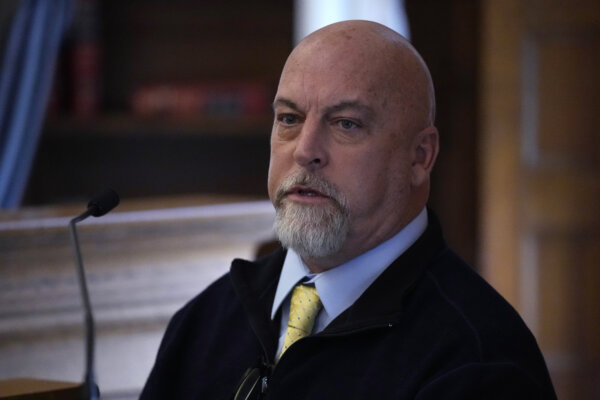

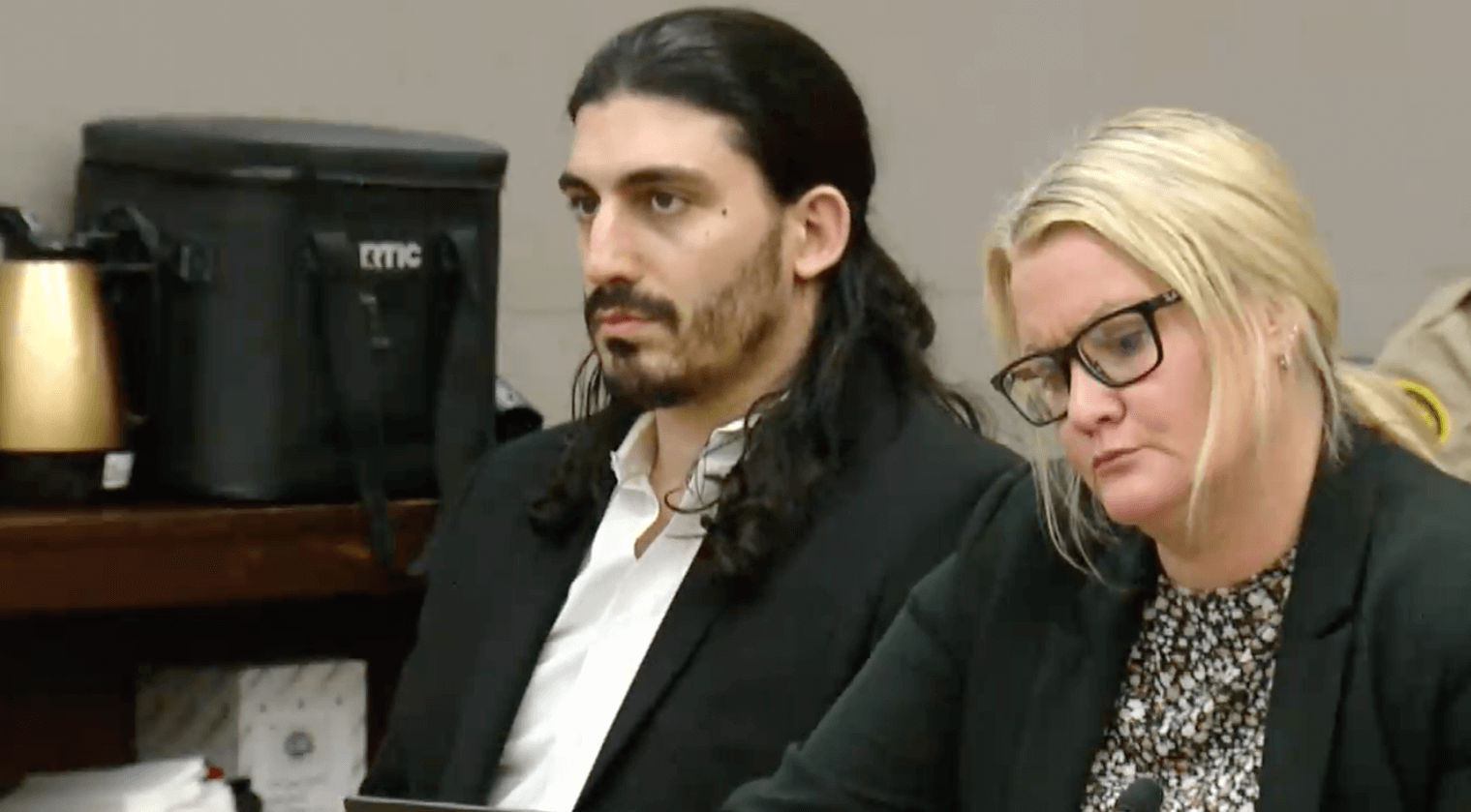
Police say TikTok star Ali Abulaban drove to the high-rise and fatally shot his estranged wife and her friend in the face at close range. More
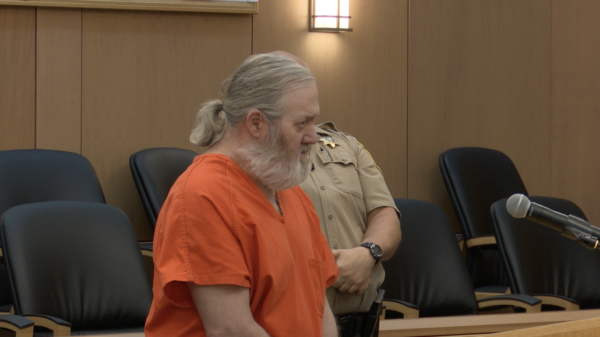
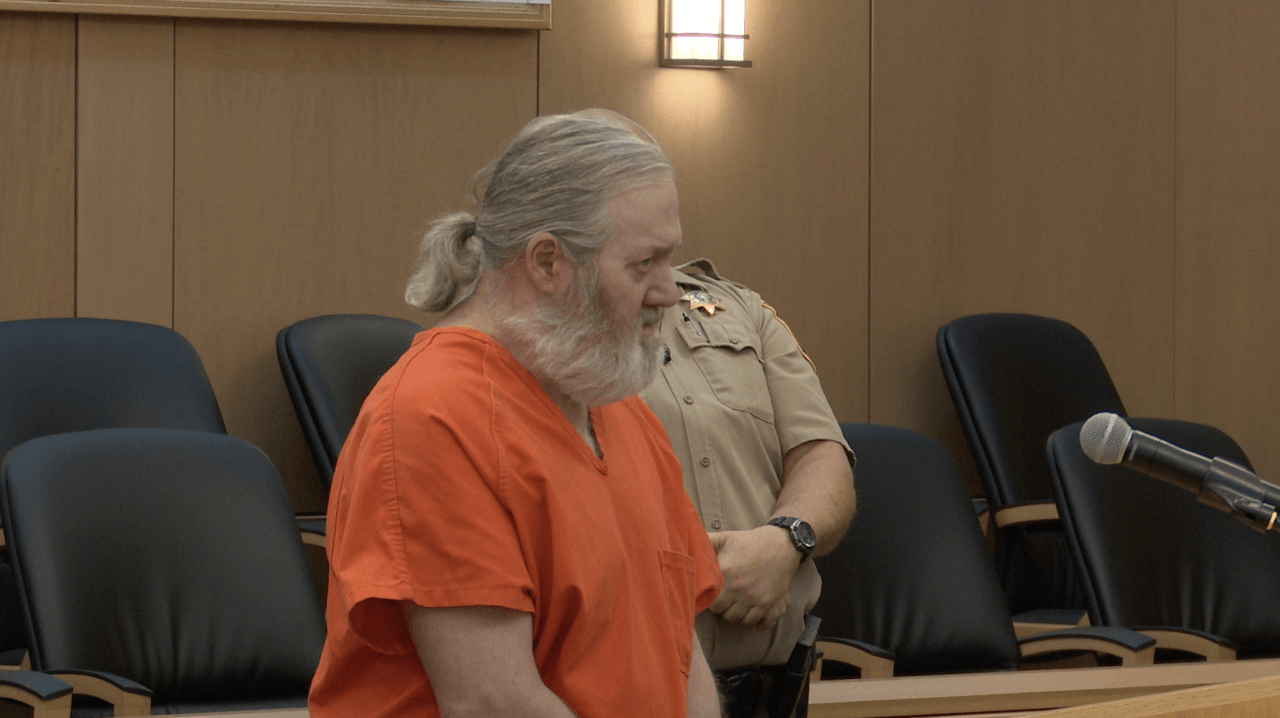
James Brenner will be sentenced on July 1 after pleading guilty to murdering 19-year-old Dylan Rounds, who disappeared in 2022. More
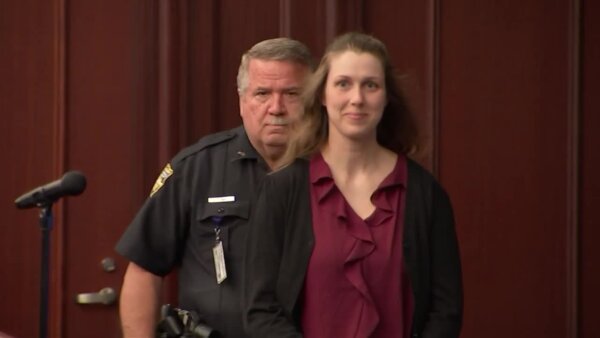
A detective said that Shanna Gardner spoke in code about 'funeral potatoes' and 'doing magic' years before Jared Bridegan's murder. More

Prosecutors now say they will need three days to present evidence that Kouri Richins murdered her husband with a lethal dose of fentanyl. More

Christopher Gregor is charged with murder after he allegedly abused his six-year-old son and forced him to run on a treadmill. More
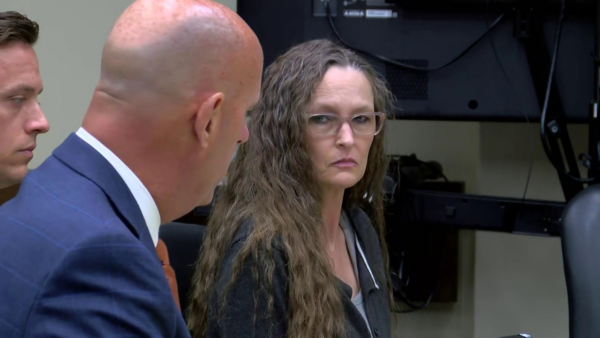
Elizabeth Fox-Doerr stood trial on accusations she plotted her husband's murder with her lover, Larry Richmond Sr. More
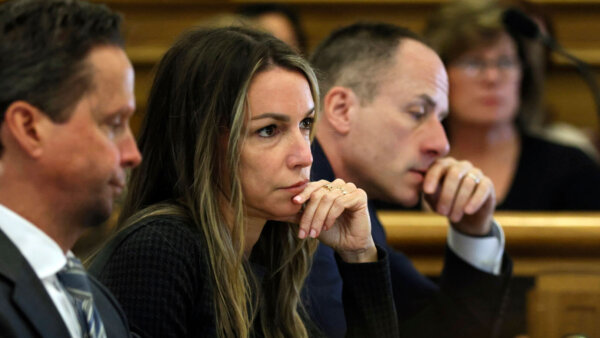
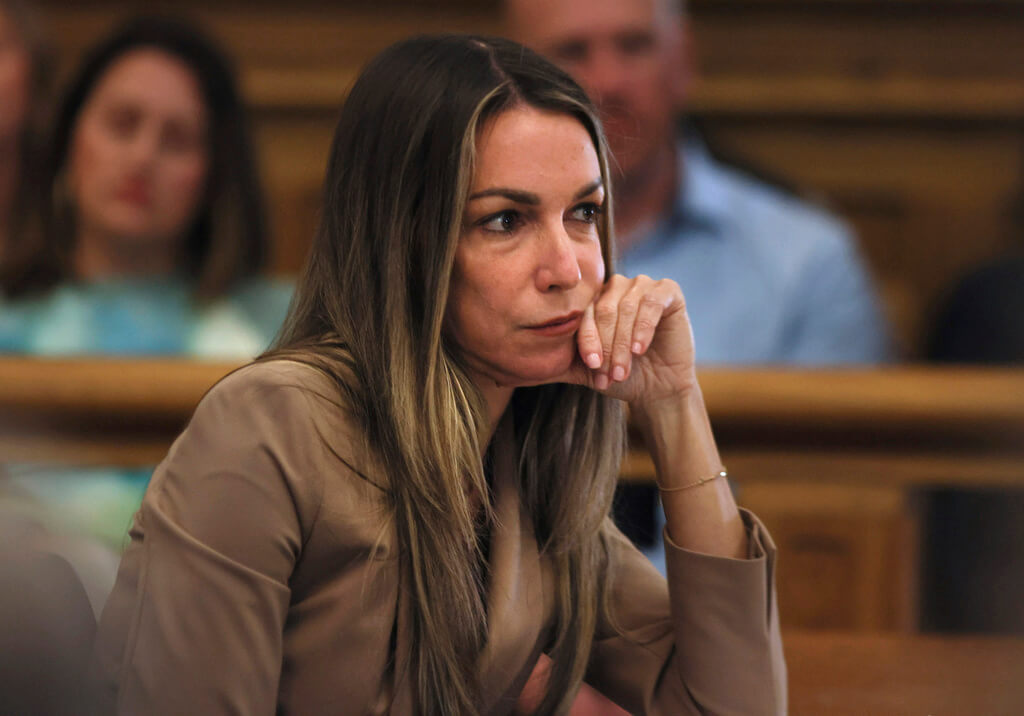
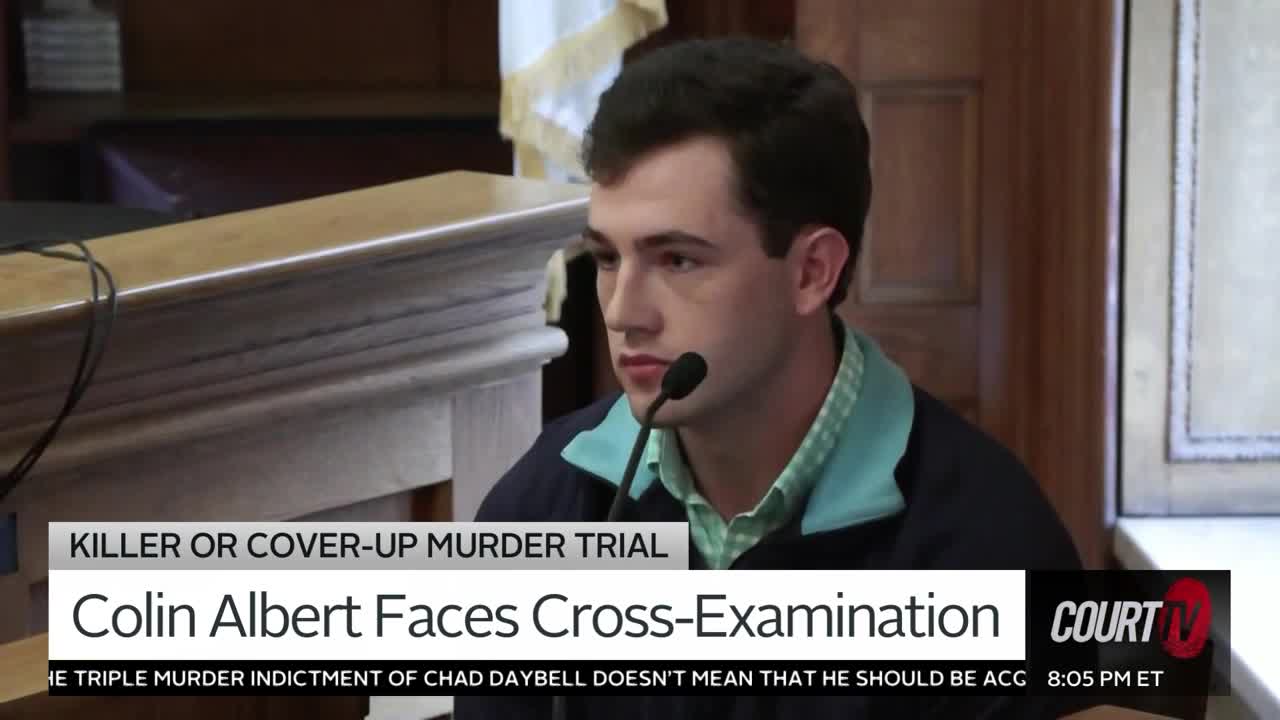
UPDATE: The trial of Karen Read, accused in the death of her police officer boyfriend John O'Keefe, is underway in Massachusetts. More

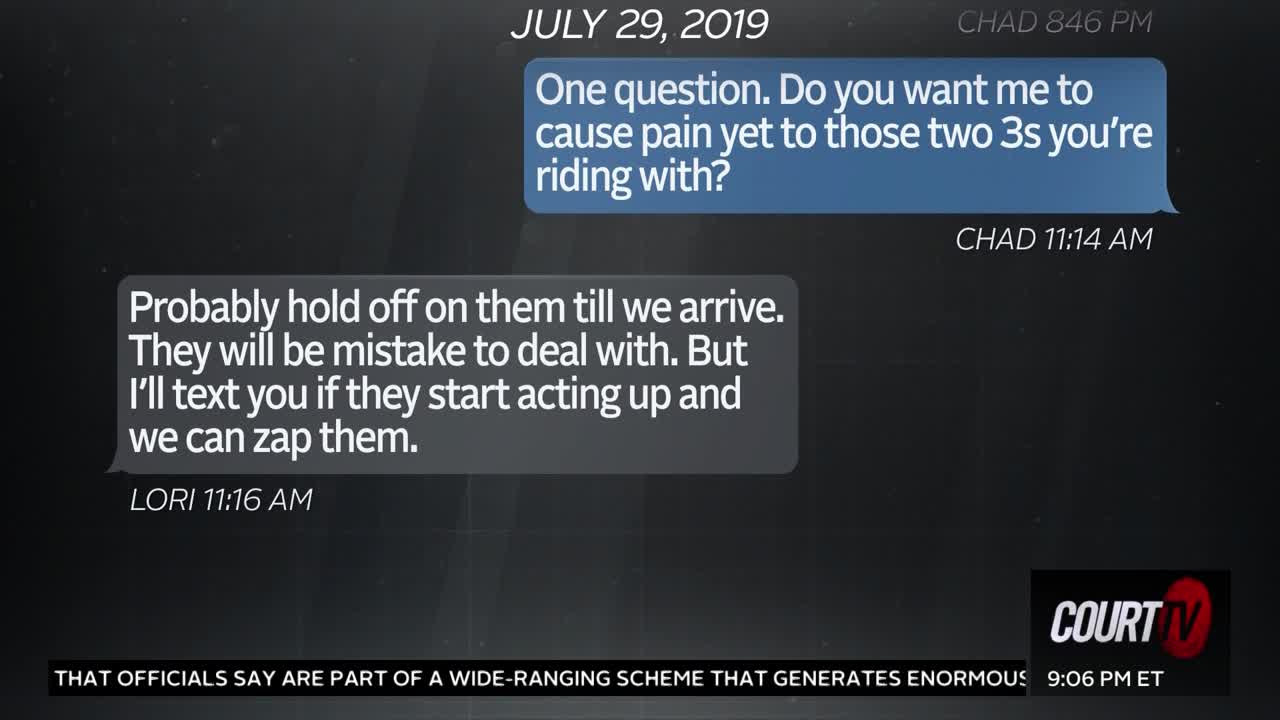
The trial of Chad Daybell, accused in the death of his first wife and the two youngest children of his second wife, Lori Vallow, is... More
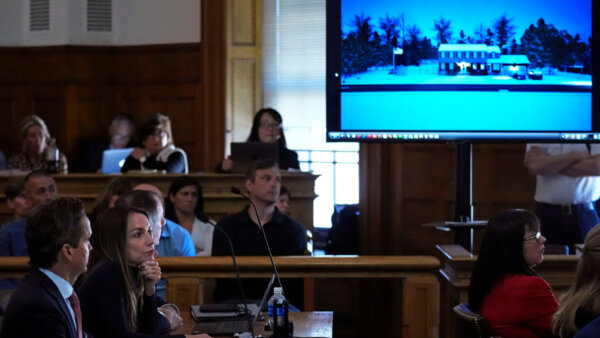
The exhibits have been submitted as evidence in the trial of Karen Read, a woman accused of killing her police officer boyfriend. More
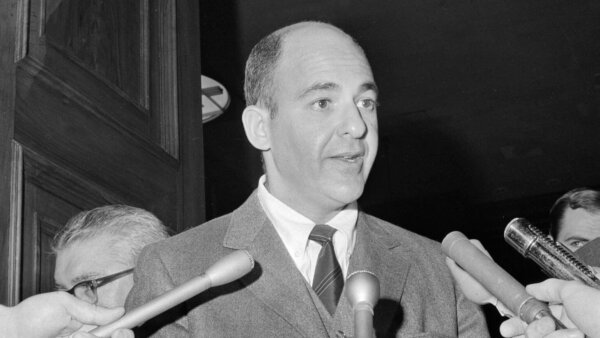
Renowned pathologist Dr. Cyril Wecht was featured in multiple Court TV trials over the decades. He passed away Monday. More

Construction workers discovered the remains in a shallow grave while building a walking bridge on Crescent Beach in April of 1985. More



TRIAL ARCHIVES
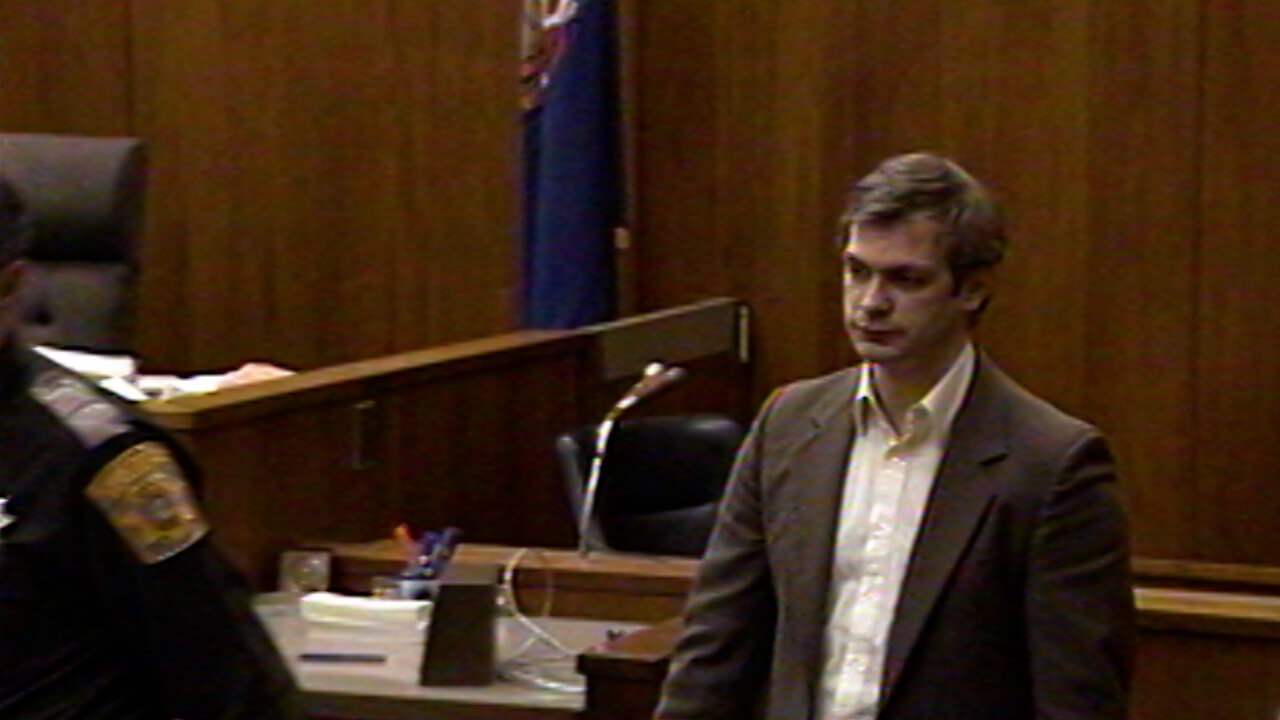

WI v. DAHMER (1992)
Jeffrey Dahmer is facing life in prison or admittance to mental institution for the killings of 15 boys and men.
WATCH NOW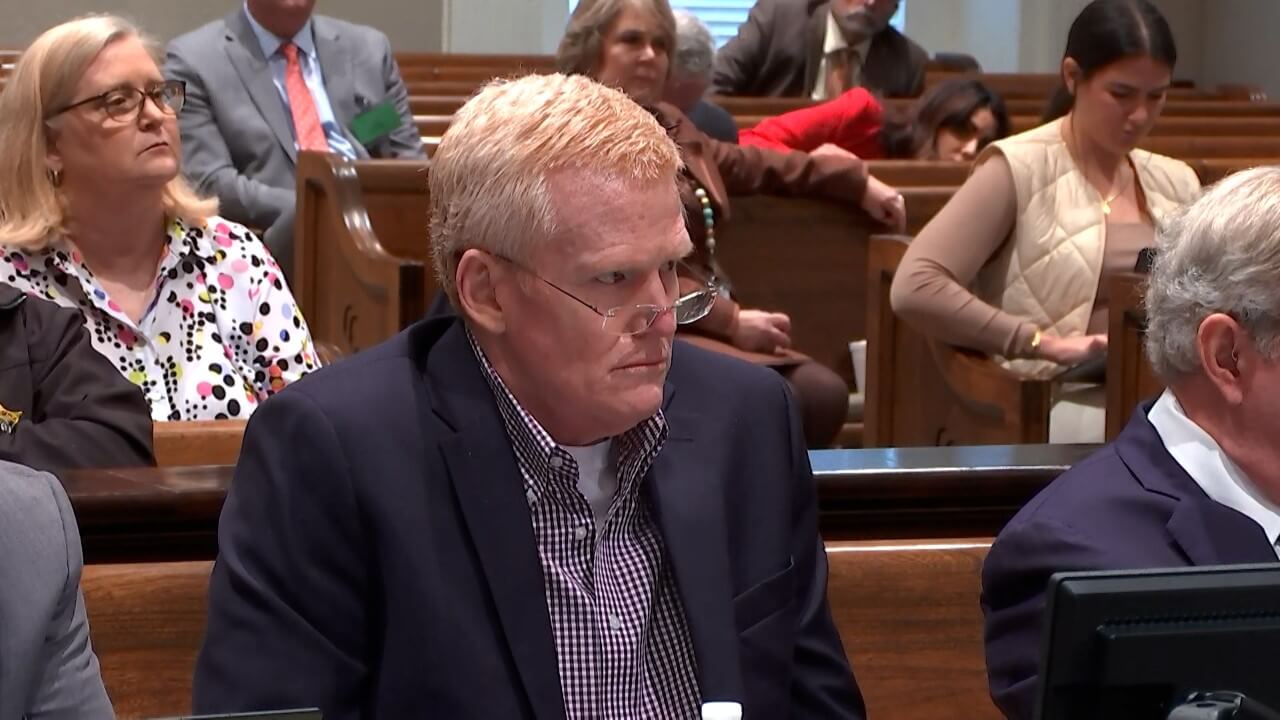
SC v. MURDAUGH (2023)
Alex Murdaugh is accused of killing his youngest son, Paul, and wife, Maggie.
WATCH NOW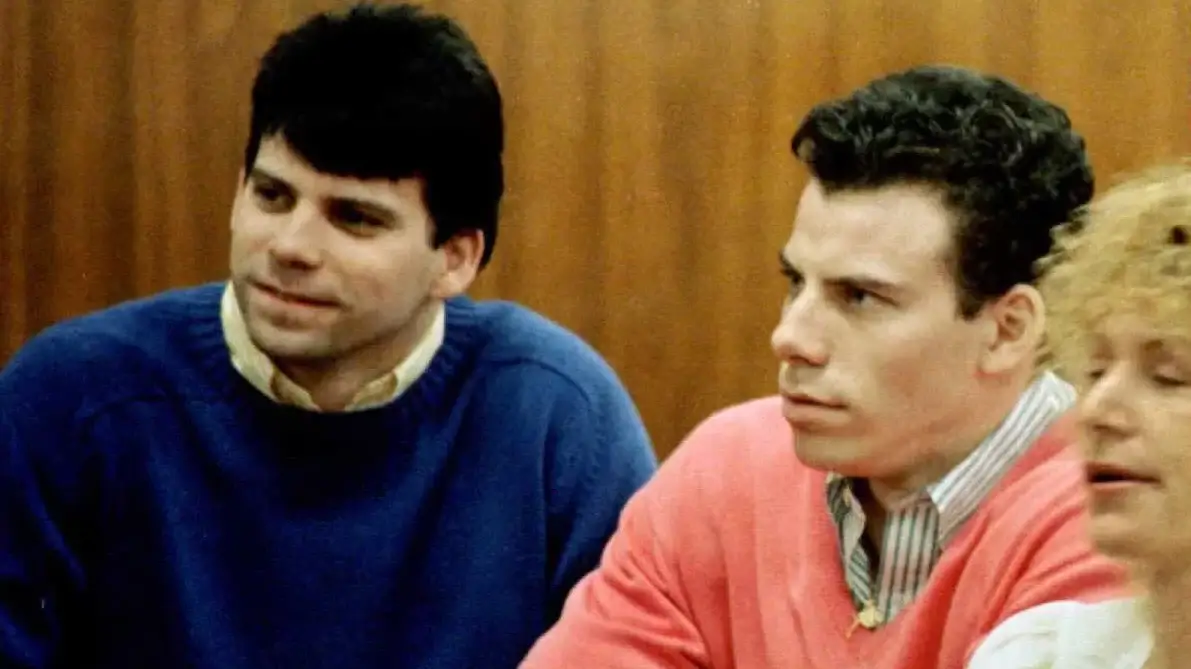
CA v. MENENDEZ (1993)
Brothers Lyle and Erik Menendez are on trial for the shotgun murders of their parents, Jose and Kitty Menendez.
WATCH NOW
SC v. COLUCCI (2018)
Michael Colucci is on trial for the 2015 strangulation death of his wife, Sara Lynn Colucci.
WATCH NOW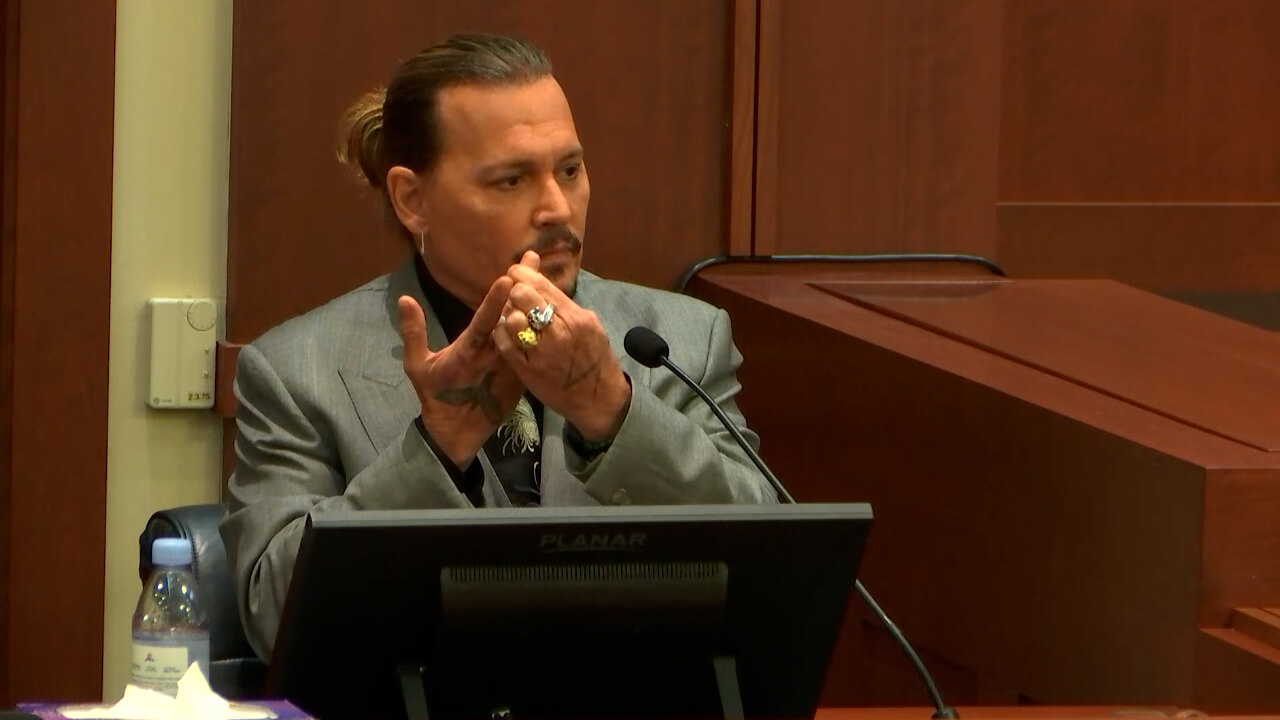
OH v. GROVES (2020)
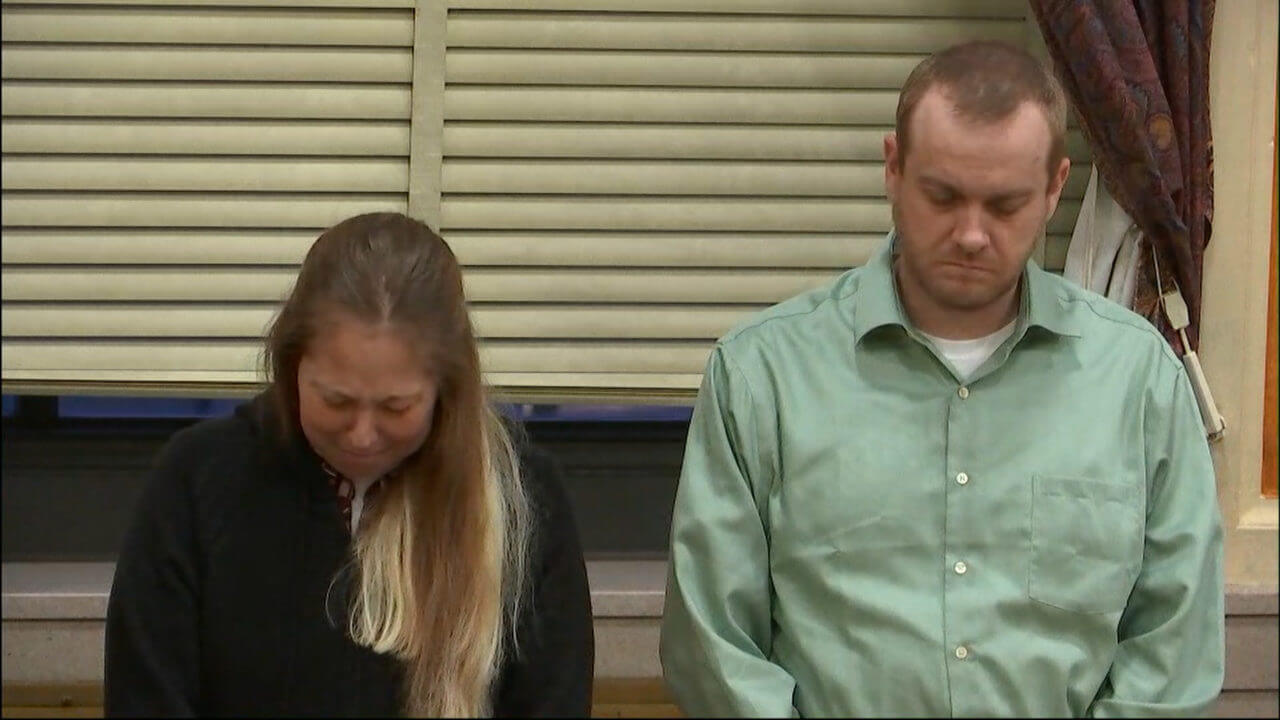
Daniel and Jessica Groves are facing life in prison for the death of their baby whose body was found in a well.
WATCH NOW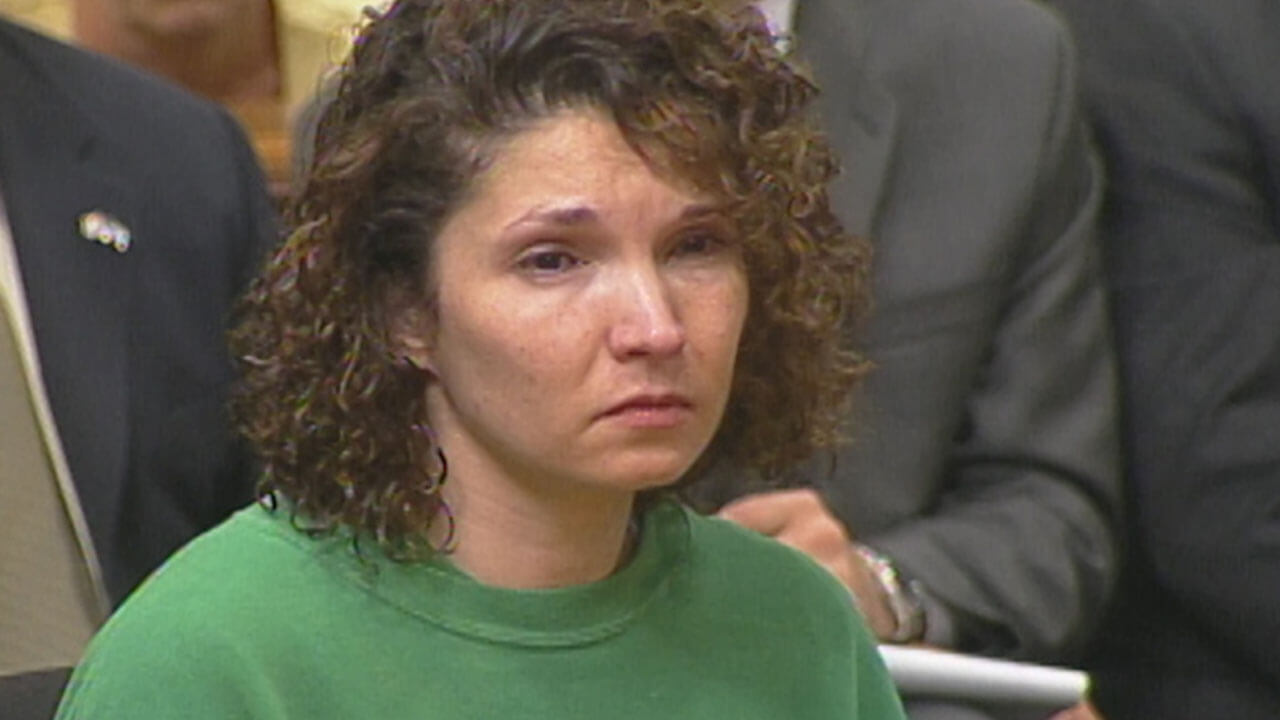
NJ v. MCGUIRE
Melanie McGuire is on trial for the murder of her husband, whose dismembered body was found stuffed in multiple suitcases.
WATCH NOW
FL v. ANTHONY (2011)
Casey Anthony is on trial for the 2008 murder of her 2-year-old daughter, Caylee.
WATCH NOW