|
Lethal injectionthe humane alternative?
By Matt Bean Court TV
Lethal injection was first introduced in the U.S. as a humane alternative to other methods of execution. But although the procedure is most certainly more peaceful than execution by hanging, electrocution or the firing squad, it is not without its problems. Sometimes, the problem can be as simple as finding a vein for injection, or it can be as complicated as a chemical reaction gone awry. Here are examples of what happens when things do go wrong:
James Autrey; March 14, 1984, Texas
James Autrey was fully conscious and complaining of pain for much of the 10 minutes it took for him to die after the chemicals were injected. The IV catheters clogged because the first chemical, sodium pentathol, reacted with the second chemical, sodium pancurate, to form a solid. This reduced the flow of chemicals into Autrey's bloodstream and prolonged his consciousness, as well as the time until his death. Also, the needle for the catheter may not have been properly inserted into the vein, causing Autrey intense pain when the chemicals entered the surrounding muscles.
Stephen Peter Morin: March 13, 1985, Texas
Execution technicians were unable to find a vein for 45 minutes. After trying both arms and legs they finally found one suitable for injection.
Randy Woolls: August 20, 1986, Texas
Woolls was a drug addict and had many collapsed veins. Technicians could not find a proper vein until Woolls offered them his help.
Elliot Johnson: June 24, 1987, Texas
Technicians took 35 minutes to find a vein for Johnson's catheter.
Raymond Landry: December 13, 1988, Texas
Two minutes after the first injection, Landry's catheter popped out of his vein and began spraying chemicals around the room. Execution technicians reinserted the catheter into Landry's vein after re-closing the curtain, and the execution continued. It took 24 minutes after the first injection of sodium pentathol for him to die.
Stephen McCoy: May 24, 1989, Texas
Stephen McCoy reacted violently to the drugs. His chest heaved, he gasped for air, and appeared to be choking. One witness fainted because of the scene, and crashed into another witness as he fell. The Texas attorney general admitted the inmate "seemed to have somewhat stronger reaction," adding, "the drugs might have been administered in a heavier dose or more rapidly." One possibility is that the first chemical, sodium pentathol, might not have sedated McCoy enough so that when the second chemical, sodium pancurate began to act and cut off his breathing, he was conscious as he suffocated.
Charles Walker: September 12, 1990, Illinois
Illinois Department of Corrections officials ordered the viewing blinds closed five minutes after Walker's execution began. Walker's death was prolonged because of a kink in the catheter line.
Rickey Ray Rector: January 24, 1992, Arkansas
Technicians took more than 50 minutes to find a suitable vein for injection in Rector's arm. Witnesses, who were not allowed to view this part of the process, said they heard him moaning in pain. Rector reportedly tried to help the medical personnel find a vein, and just before technicians were prepared to "cut-down" with a knife through Rector's arm to find one, one in his right hand was finally discovered.
Robyn Lee Parks: March 10, 1992, Oklahoma
Parks reacted violently to the drugs. Two minutes after the drugs were administered, Parks' jaw, neck, and abdomen muscles began to spasm for almost a minute. Parks gasped, and appeared to choke until dying eleven minutes after the drugs were first administered. A reporter described the execution as "scary and ugly."
Billy Wayne White: April 23, 1992, Texas
Technicians took almost 50 minutes to locate a suitable vein. White had to assist them.
Justin Lee May: May 7, 1992, Texas
Justin Lee May gasped, coughed and "reared against his leather restraints" as the drugs flowed into his bloodstream. When he finally stopped breathing, his eyes and mouth remained open. According to Robert Wernsman, a reporter for the Huntsville newspaper "The Item," May gasped, coughed and reared against his heavy leather restraints, coughing once again before his body froze. Associated Press reporter Michael Graczyk wrote "He went into a coughing spasm, groaned and gasped, lifted his head from the death chamber gurney and would have arched his back if he had not been belted down. After he stopped breathing, his eyes and mouth remained open."
John Wayne Gacy: May 10, 1994, Illinois
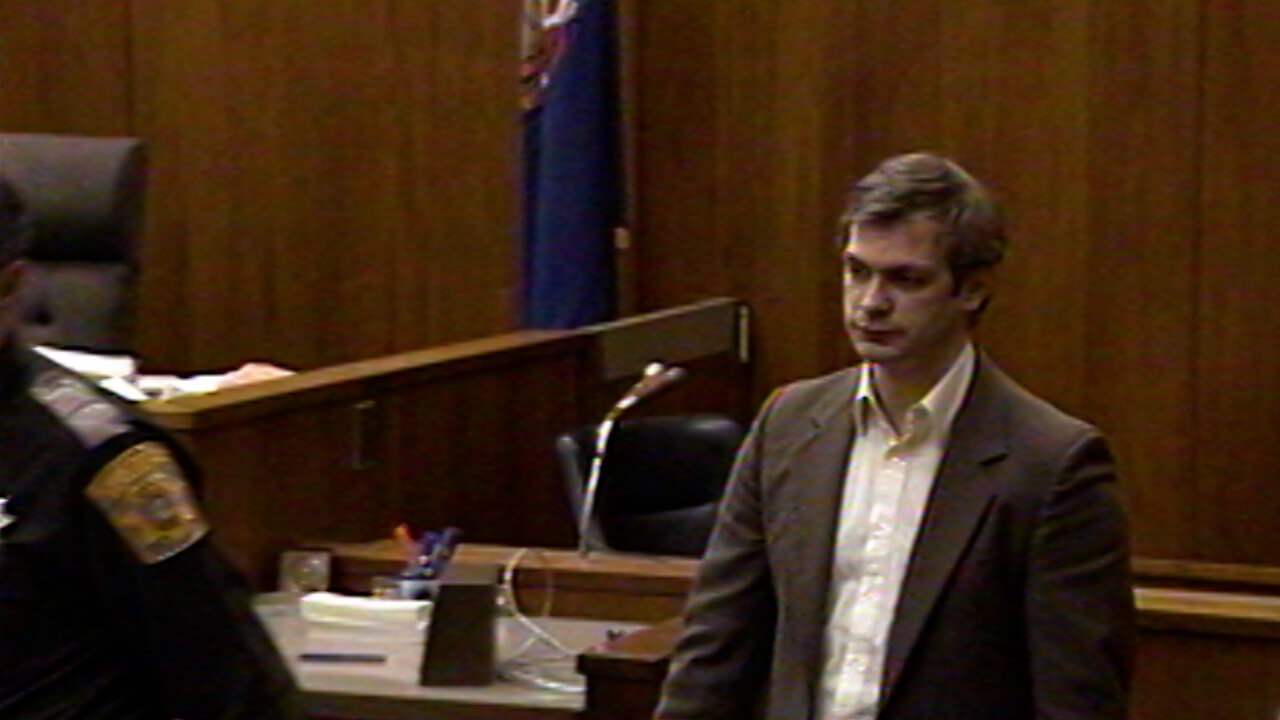
John Wayne Gacy, the serial killer who tortured and murdered 33 young men and boys in the 1970s, was executed by lethal injection at the Stateville penitentiary in Joliet, Illinois. After the injection began, the catheter in Gacy's arm was clogged when the first two drugs reacted. The curtains were closed so witnesses would not see the clogged tube being replaced. After the blinds were opened, the process continued. Gacy took 18 minutes to die.
Emmitt Foster: May 3, 1995, Missouri
Emmitt Foster's death was a protracted and painful one because, according to the coroner, the leather straps that bound him to the gurney were too tight to allow blood to flow freely through his system. He was not pronounced dead until 30 minutes after the injection began. Three minutes later, the curtains were re-opened to the witnesses.
Michael Eugene Elkins: 1997, South Carolina
South Carolina took an hour to find a suitable vein for injection in Elkins' neck.
|