
By John Springer
Court TV
NORWALK, Conn. He may have been confused. Perhaps it was the effects of the six medications he takes for bipolar disorder. Or maybe it was just the stress of a Perry Mason-like moment, like some of the TV reporters characterized it when they ran to their cameras afterward.
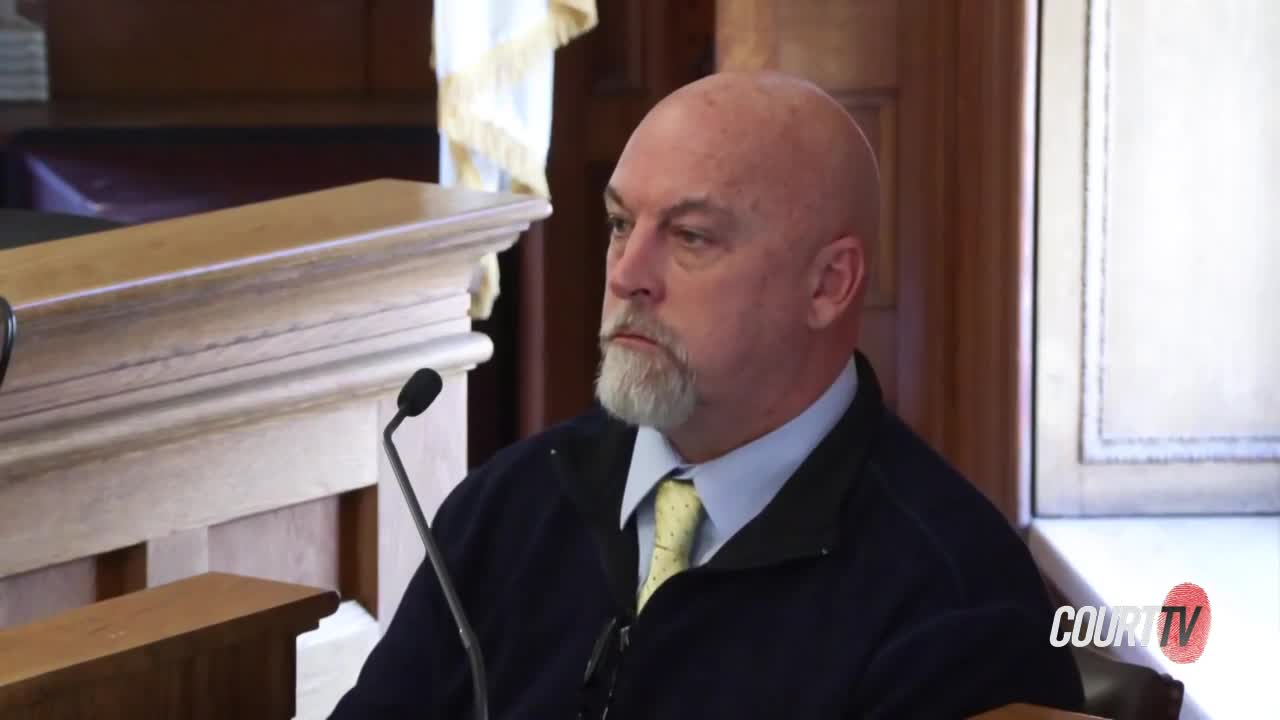
In any event, it sounded Monday like former Skakel family tutor Kenneth Littleton admitted on cross-examination Monday that he once confessed to his former wife that he had stabbed Martha Moxley through the neck and killed her.
The testimony came as part of an attempt by the defense to pin the slaying on Littleton, who was a newly-hired, live-in tutor for the Skakels when Moxley was murdered on Oct. 30, 1975. Michael Skakel, now 41, is on trial for the murder of his childhood neighbor when both were 15 years old.
Prosecutor Jonathan Benedict was forced to sit quietly while defense lawyer Mickey Sherman got Littleton to concede Monday that he told a prosecution psychiatrist that he had told his ex-wife, Mary Baker, that he was involved in the killing.
"And what did you tell Dr. [Cathy] Morall that you said to Mary [Baker]?" Sherman asked Littleton.
"I did it," he replied.
"And when you said, 'I did it,' you are talking about that you committed the murder of Martha Moxley?" the lawyer asked.
"Correct," he said.
"Did you ever tell Mary that you stabbed Martha Moxley through the neck?" asked Sherman, noticing as he spoke that Littleton was looking over at the prosecution table. "Over here it's a yes or no, Mr. Littleton."
"Yes," Littleton answered.
Sherman, having elicited what he wanted the 12-member jury to hear, sat down. Benedict almost jumped to his feet to put the testimony into context.
"Mr. Littleton, did you kill Martha Moxley?" he asked.
"No, I did not," Littleton replied emphatically.
Littleton then tried to explain his earlier testimony, saying he never admitted anything and that he was merely parroting to the psychiatrist a lie his ex-wife told him that he had confessed during an alcohol-induced blackout in 1984.
To hammer home the point, Benedict entered excerpts of the videotaped interview with the prosecution psychiatrist, a tape he earlier tried to keep out of evidence.
"She told me that I said it," Littleton told Morall at the time. "I know I can account for everything. In my mind, I can account for everything."
Ruling Goes Defense's Way
Judge John Kavanewsky Jr. permitted the defense, over the objections of prosecutors, to ask Littleton about the conversations he had with his ex-wife in the early 1990s, including numerous recorded phone conversations and one in a hotel room monitored by police.
Littleton testified that he did not learn until last week that his ex-wife, Mary Baker, had lied to him telling him he had confessed to her in order to help investigators trick him into confirming the confession. Baker testified last week that investigators, frustrated in 1991 that they had had been unable to link anyone to the brutal killing, put her up to the fabrication and that Littleton did not confess.
Under questioning Monday, the defense portrayed the former tutor as a troubled man, a recovering alcoholic who was obsessed with the Kennedy family. Littleton testified that he once told police he was a Kennedy and offered to take a truth serum if the father of the victim would pay for it.
He also said he told a judge during a 1998 grand jury inquiry that he believed he had once been injected with cocaine by someone and had the "paranoid suspicion" that the "Skakels/Kennedys" were trying to kill him by "blowing out his heart." Littleton, who works as a psychiatric counselor, takes medication for bipolar illness.
The witness said his memory is not affected by his medication but it may be by the passage of time. He stumbled when it came to remembering things accurately.
Early Monday, for example, Littleton testified that it was his idea to take Michael Skakel and three other family members to the Skakels' ski lodge in upstate New York the day after Martha's body was discovered under a large pine tree on her parents' estate in the Belle Haven section of Greenwich.
His answer contradicted his testimony from last week, when he said it was a lawyer's idea to take the children away.
|
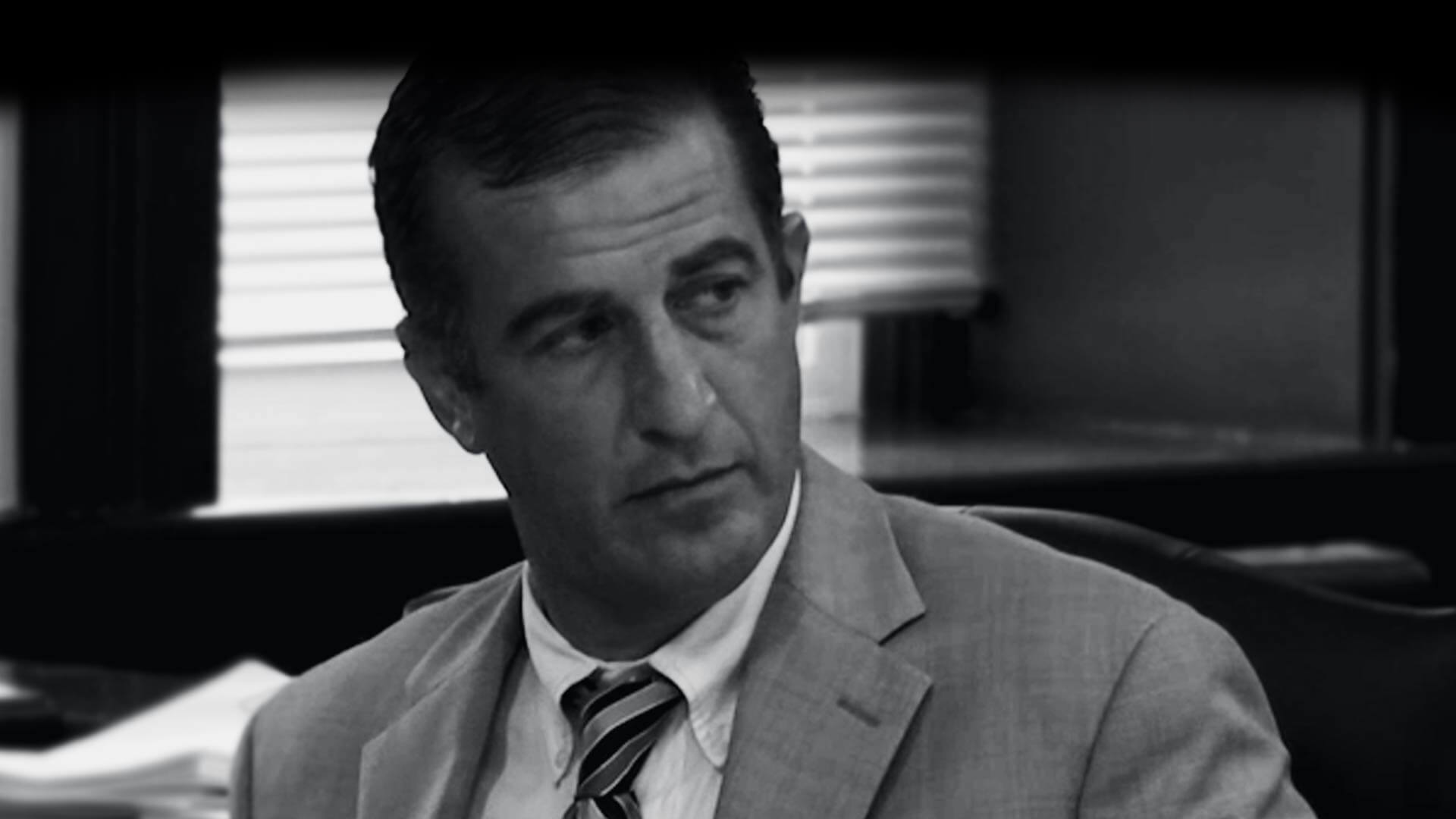
| Defense lawyer Mickey Sherman |
"I think I came up with the original idea, to be perfectly honest with you, I remember thinking, 'What is going to be the best thing for the kids in this situation?'" Littleton told the psychiatrist, according to the videotape played in court Monday outside the presence of the jury.
The testimony is important for the defense because jurors may have been left with the impression by Littleton's earlier testimony that the defendant, two brothers and a cousin were spirited away to keep them from talking to police. Littleton also said that he did not think it was unusual that no one discussed the murder on that trip because Rushton Skakel's children often did not open around him.
Benedict brought out when his turn came again that the two youngest Skakel children remained in Belle Haven, suggesting that the welfare of the kids was not the paramount issue when Littleton drove the defendant and the others to Windham, N.Y., on that Saturday in November 1975.
Littleton also did not remember accurately the correct time on the night of the killing that he and Thomas Skakel, according to Littleton's testimony, watched the big chase scene from "The French Connection" together. Littleton testified that Thomas Skakel came into his room about 9:40 p.m. and stayed until the 20-minute chase scene ended about 10:20 p.m.
In fact, the chase scene did not begin until 10:25 p.m. and lasted just seven minutes.
Kennedy Claim
Littleton also testified Monday that he told police in Florida in the early 1980s that his name was "Kenny Kennedy." The jury did not hear the defense's claim that the incident happened while Littleton was drunk and that he climbed a tall structure and recited parts of President John F. Kennedy's famous "Ich ben ein Berliner" speech in Germany. The defense said its investigation showed that Littleton told police he was "the black sheep" of the Kennedy clan.
He also testified that:
Michael Skakel and three other siblings each ordered one Heineken, despite being underage, at a dinner at the Belle Haven Club on the night of Martha's murder that lasted until about 8:30 p.m. The defense has not drawn the connection for jurors yet but may laying the foundation that Skakel had no time before the murder to get so intoxicated that he would have blacked out which is what later prosecution witnesses are expected to testify Skakel told them in 1978 or 1979.
He once contacted Martha's father, who died of a heart attack in 1988 that his widow believes was brought in part by the murder, and offered to take a so-called truth serum. "When I called Mr. Moxley, I didn't have any faith in the Connecticut authorities," said Littleton, who has immunity from prosecution. "I wanted to see if there was anything that possibly remained in my mind, in my subconscious, that could bring a break in the case."
Littleton also testified that he told David Moxley in the same conversation that he and the Moxleys had a "mutual tragedy."
"My life went down the tubes after my [burglary] arrest on Nantucket the following summer," Littleton testified. "I was being continually pursued by the Connecticut authorities and cooperated with them, but my life was such a mess. The tragedy to the Moxley family is quite obvious ... It was a tragedy for me, too."
|
| Prosecutor Jonathan Benedict |
Jurors were excused from the courtroom numerous times while the lawyers argued about what defense attorney Mickey Sherman can properly ask Littleton. He is an important witness for the state because he testified that Thomas Skakel was with Littleton watching TV about the time many believe that Martha Moxley was being attacked, giving Michael Skakel's older brother an alibi.
Both Thomas Skakel and Littleton were prime suspects long before police began focusing their attention on Michael Skakel and statements he allegedly made to fellow residents of a Maine reform school in which, the prosecution claims, he implicated himself. Martha, who was friendly with both Thomas and Michael Skakel, was killed with a golf club linked to a set once used by their mother.
Kavanewsky permitted the defense to ask Littleton about his past cocaine use, his use of the name "Kenny Kennedy" and his grand jury testimony in which he expressed fear that Skakels/Kennedys were trying to kill him. When Kavanewsky finally ruled that the defense could ask Littleton about statements he may or may not have made to his ex-wife, it touched off a replay of a hearing Friday this time in front of the jury.
Littleton's ex-wife, Mary Baker, of Ottawa, testified outside the jury's presence Friday that two prosecution investigators recruited her to tell Littleton that he had made such statements in alcohol-induced blackouts. One of the investigators, now retired, has insisted that Baker told him that Littleton had implicated himself in the past and that he was trying to corroborate those statements when police monitored a conversation between Littleton and Baker in a Boston hotel room in 1992.
Another investigator, Frank Garr, testified that Baker never told authorities that Littleton confessed but wanted to assist the investigation in order to exonerate Littleton, if possible.
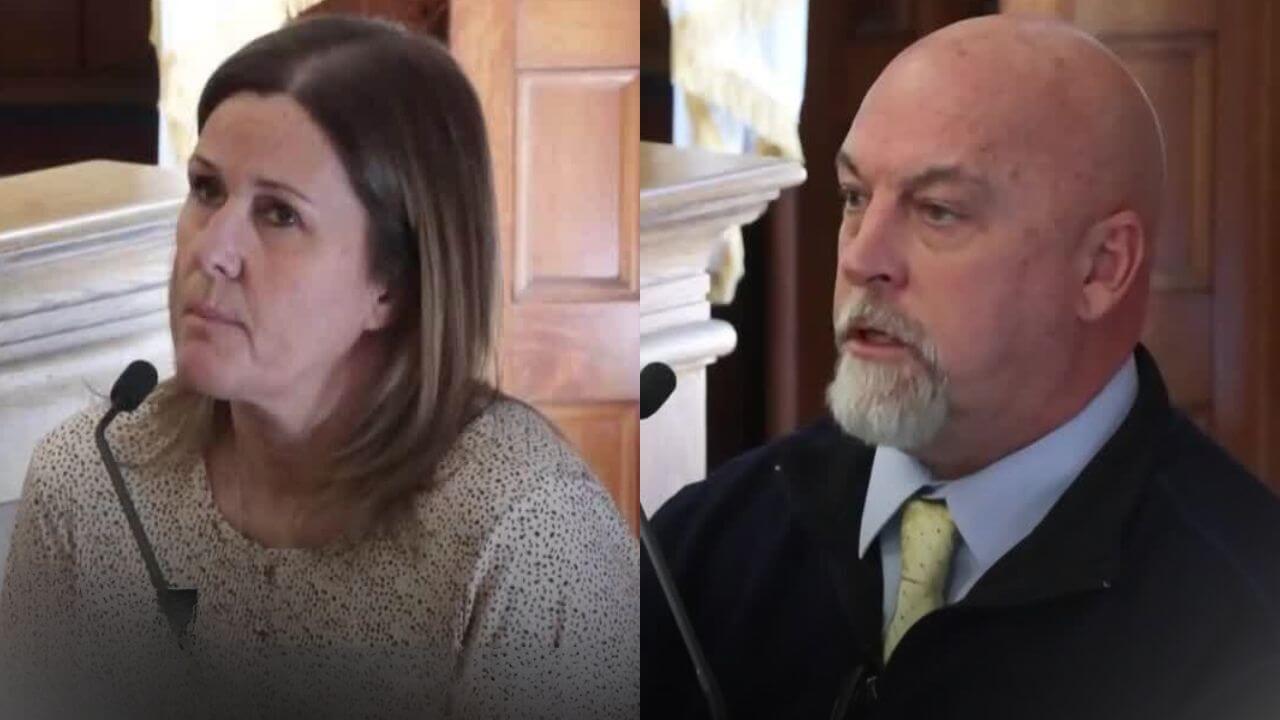
Baker repeated the testimony before the jury on Monday almost verbatim. She testified that she did not believe Littleton was involved in the murder but decided to help Solomon and Garr because Solomon talked about the pain and lack of closure felt by Martha's mother.
When she could not remember how many times she secretly recorded Littleton on tape without his knowledge, Sherman trotted up to the witness box with 21 cassette tapes stacked from his stomach to his chin.
|