
Updated June 27, 2001, 4:20 p.m. ET
Highlights from Week Four  
   

October 27

Defendant Louise Woodward returned to the stand for cross-examination by prosecutor Gerard Leone, Jr. Under careful questioning by Leone, Woodward denied that she was upset with the Eappens on the day of the alleged shaking incident with Matthew Eappen. Woodward also denied prosecutors' allegations that she told police that she had been rough with the baby and that she had dropped him on the bathroom floor when she gave him a bath that day. The British nanny claimed that only the investigating police characterized her treatment of the infant as "rough"; she never told them she had been rough with Matthew. Woodward also testified that she told police that she had "popped" Matthew on the bathroom floor and popped him on the bed. (Woodward told the prosecution and the jurors that "pop" is an English term that means "lay" or "place.") This testimony implied that police may have misunderstood the word "pop" for "drop" and therefore may have thought that Woodward admitted to dropping Matthew.

In an attempt to undermine the defense's theory that the baby was suffering from a three-week-old, chronic head injury at the time of his death, prosecutor Leone asked Woodward whether she had noticed any lumps on Matthew's head or any signs of unusual behavior in the weeks leading up to his death. Woodward admitted that she did not see any signs of a prior head injury on Matthew.

After Woodward concluded her testimony, the defense brought forensic pathology expert Michael Baden back to the stand. (He had testified for the defense about Matthew Eappen's fatal head injury on Thursday, Oct. 23.) According to the defense, new photographs and slides from Matthew Eappen's autopsy surfaced over the weekend, and Dr. Baden examined the photos the previous evening. The doctor focused his testimony on what he claimed were clearer pictures of the baby's fractured skull. Dr. Baden further bolstered the defense theory about the baby's death by saying that Matthew's skull fracture indicated that his fatal head injury was pre-existing and did not occur on the day of his hospitalization on February 4. The fracture was about three weeks old at the time of his hospitalization. With Dr. Baden's testimony, the defense rested its case.

Outside the presence of the jury, the prosecution filed a motion with the presiding judge, the Honorable Hiller Zobel, to have the jury consider charges of voluntary and involuntary manslaughter in addition to the first-degree murder charge against Woodward. (Prosecutors wanted to jury to have the option of convicting Woodward on the lesser charges.) The defense objected to this motion, wanting the jury to have a more narrow option of either convicting Woodward of first-degree or second-degree murder only or acquitting her of the charge. (Woodward could stand a greater chance of conviction with a wider range of charges.) Judge Zobel ruled that the jury would consider the first-degree murder or second-degree murder charges against Woodward only. In response to the ruling, the prosecution filed certificate of immediate review of Judge Zobel's decision to the Supreme Judicial Court of Massachusetts, the highest court in the state. However, the prosecution's petition was denied.

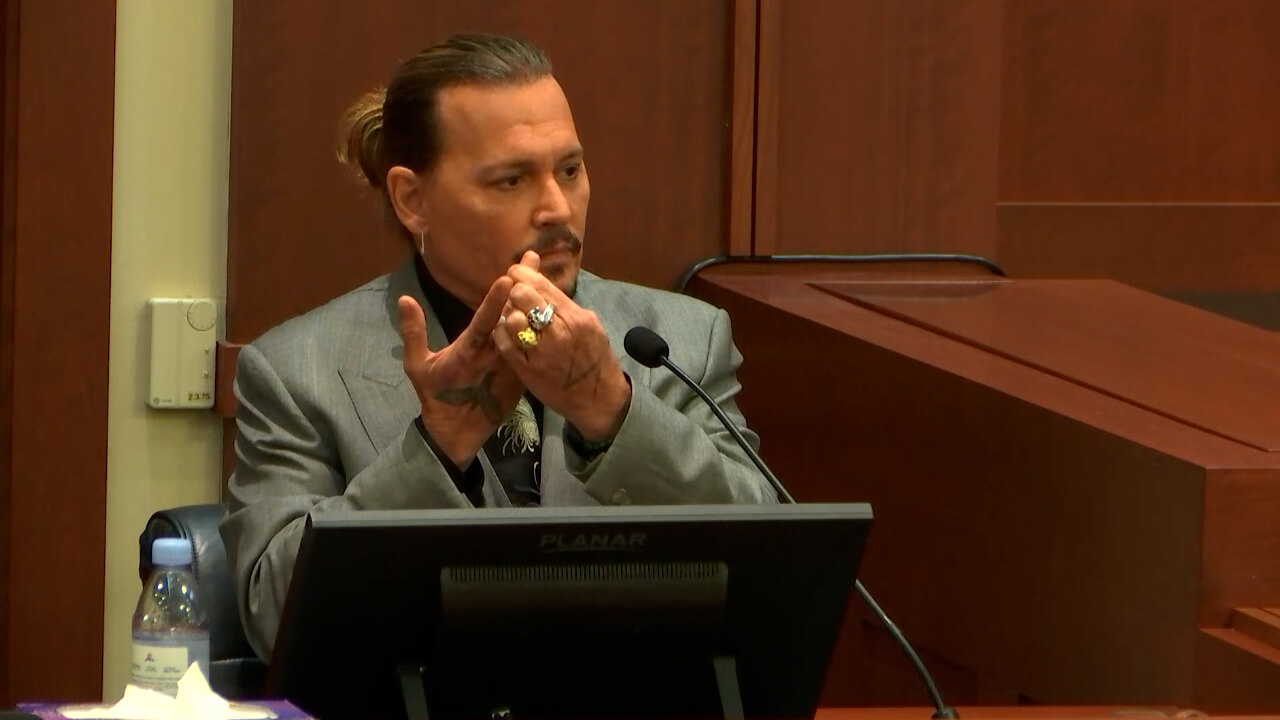
Judge Hiller Zobel Oct. 27: During a hearing outside the jury's presence, Judge Hiller Zobel asks Louise Woodward whether she wants the jury to consider only first degree or second-degree murder charges against her and not additional lesser charges.

So, the jury will only consider murder charges against Woodward. The punishment for first-degree murder is mandatory life in prison without parole. Second-degree murder also carries a mandatory life sentence but also has the possibility of parole after 15 years. In order to convict Woodward of first-degree murder, prosecutors must prove to the jurors that she knowingly acted with premeditated malice and extreme cruelty.

October 28

Both sides gave their closing statements to jurors this morning. Defense attorney Barry Scheck said that the defense's expert testimony about Matthew Eappen's death allegedly being caused by a three-week-old head injury cast reasonable doubt on the prosecution's allegations about Louise Woodward. Displaying a blown-up copy of Matthew's bone window (X-ray) of his skull fracture taken just before his surgery on February 4, Scheck said that the lack of obvious swelling (which would have indicated that the injury was recent) shows that the prosecution's case against Woodward has no basis.

"This is reasonable doubt; this is the end of the case," Scheck said. "This is the end of the case, period."

Moreover, Scheck reminded jurors that his experts showed that Matthew did not have the neck injuries consistent with shaken baby impact syndrome. Scheck focused on the debate between medical experts from the prosecution and the defense over the fluid found in the infant's brain during surgery. (Defense experts claimed that the fluid was actually serum whose color indicated that the baby suffered a previous head injury that rebled sometime during a three-week period. Prosecution experts contended that the fluid was actually clear spinal fluid which indicates that there was no prior head injury.)

Barry Scheck Oct. 28: During closing arguements, defense attorney Barry Scheck tells jurors that the testimony of prosecution medical expert Dr. Eli Newberger was unreliable.

Scheck further reminded jurors that the case was not an attack on either the Eappens' lifestyle as busy working parents or on Woodward's tendency to go out to the theater every night. Woodward's other attorney, Andrew Good, characterized Woodward as a "child lover," not a child killer, who has been a victim of circumstance. Good also stressed to the jurors that expert testimony exposed holes in the prosecution's case against Woodward. Matthew Eappen, Good said, tragically was the victim of an old head injury that gradually caused the deterioration of his health and ultimately, his death.

Prosecutor Gerard Leone, Jr. characterized Woodward as an irresponsible au pair who was frustrated with Matthew Eappen's crying and her work situation with the Eappens the day she allegedly shook the infant and caused his fatal injuries. Leone frequently described Woodward as "an aspiring little actress" who told her employers "half-truths" and probably told more half-truths during her testimony.

Gerard Leone Oct. 28: In his closing argument, prosecutor Gerard Leone, Jr. claims that Louise Woodward lied about her conversation with the 911 operator.

Leone told jurors that in order to believe the defense's theory about Matthew Eappen's death, they would have to believe that Woodward was a victim of very rare circumstances.

"[In order to believe the defense]You would have to believe that poor Louise Woodward was the victim of circumstances, that she was on the low end of statitistical probability," Leone said. "On the very day that Matthew's head exploded, it just happens to be on the day she was a little rough with him, tossed him, and maybe banged his head on the floor. Not to be too sarcastic, but that's a large coincidence."

After closing arguments ended, the jury started deliberating. Judge Hiller Zobel instructed the jury to consider second-degree murder charges against Woodward in addition to the first-degree murder charges. The prosecution remained unsuccessful in its attempts to convince Judge Zobel to have the jury consider involuntary manslaughter charges.

THE VERDICT -- October 30
In a trial that captured the attention of Americans and Britons alike, a Massachusetts jury convicted British au pair Louise Woodward of second-degree murder in the death of 8-1/2 month old Matthew Eappen. The verdict came in at approximately 9:30 pm ET after the jury deliberated close to 30 hours over the course of three days.

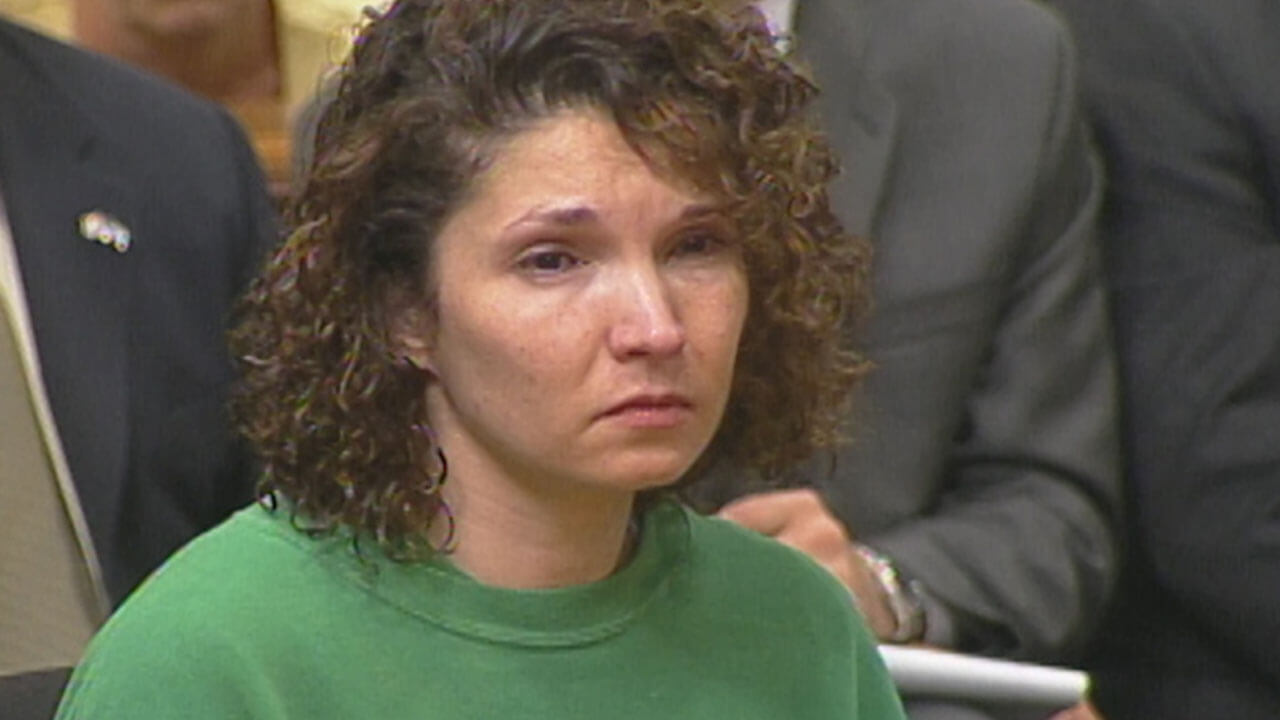
Louise Woodward Oct. 30: Louise Woodward reacts as the guilty verdict is read

THE SENTENCING -- October 31
During the sentencing hearing the next morning, the court heard emotional statements from Deborah and Sunil Eappen about the devasting effect the death has had on their lives. Then Louise Woodward spoke. Maintaining her innocence, she said "I don't know what happened to him. I didn't kill Matthew Eappen."

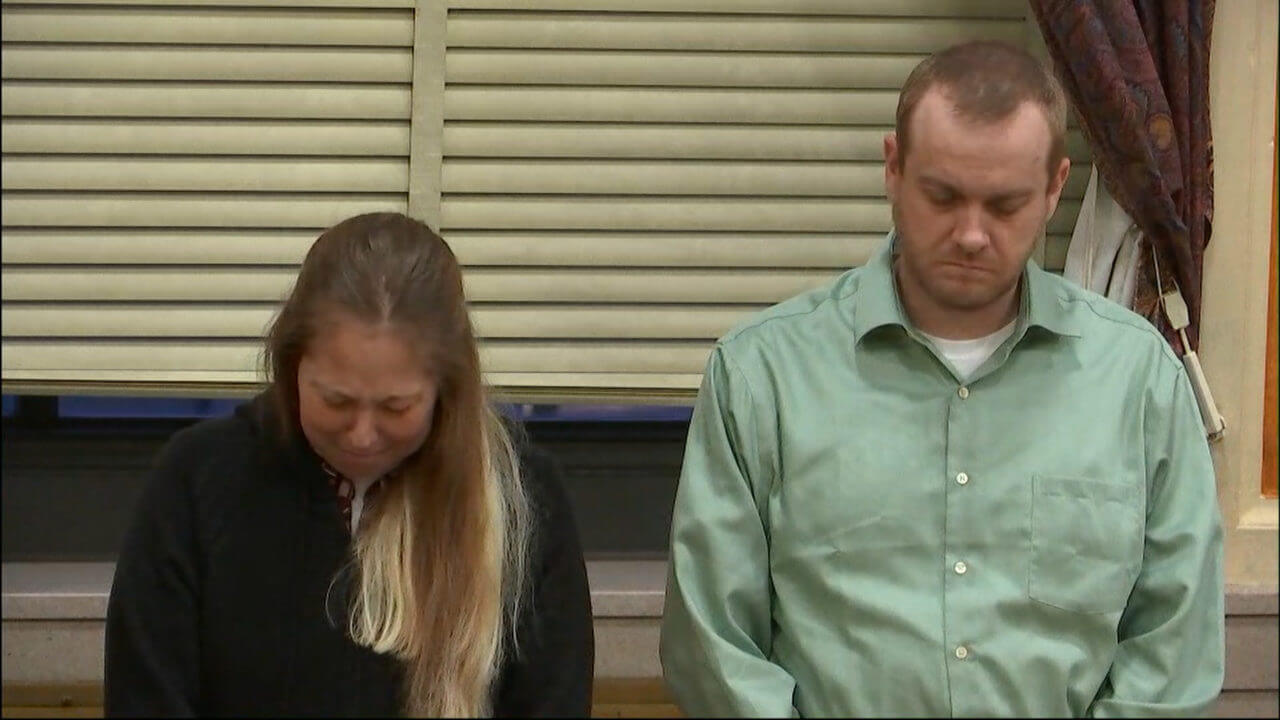
Eappen's Oct. 31: At the sentencing hearing, Deborah and Sunil Eappen tell the court how the death of Matthew has affected them and their two-year-old son, Brendan.
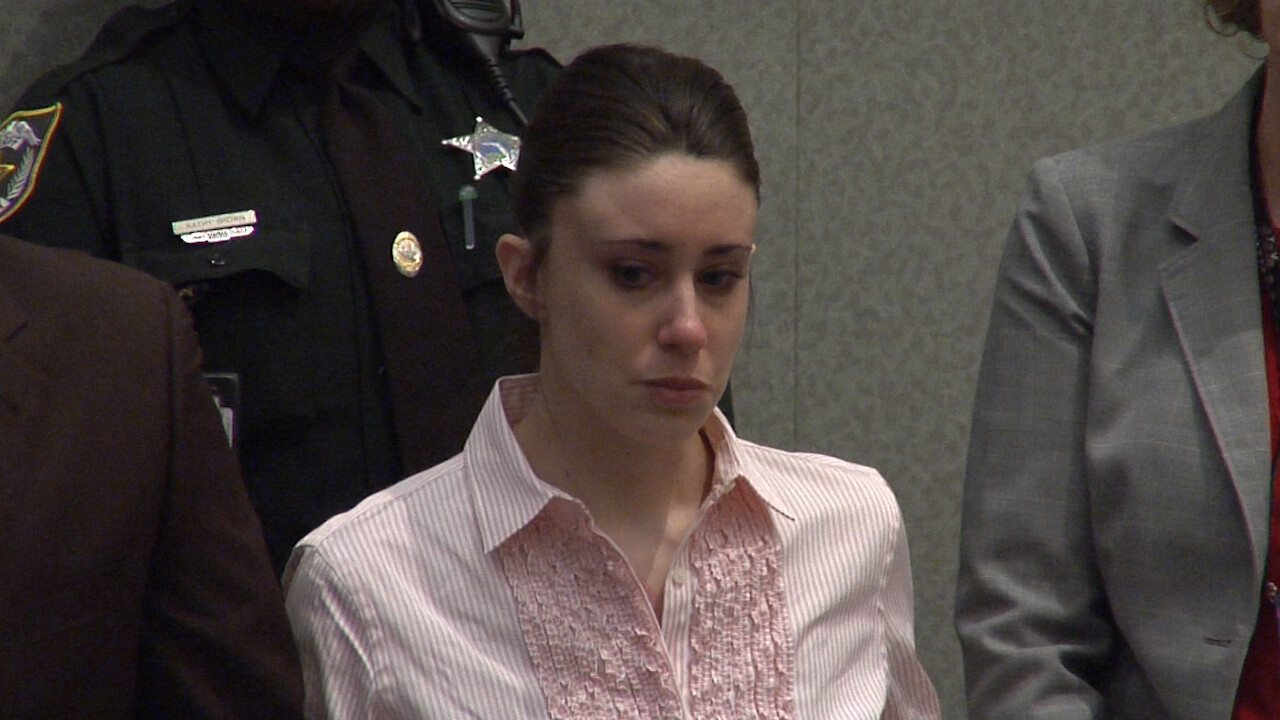
Louise Woodward Oct. 31: Before her sentence is announced, Louise Woodward briefly addresses the court and reasserts her innocence.

The 19-year old au pair was then sentenced to life imprisonment with the possibility of parole after 15 years.

Judge Zobel will hear a three-part motion from the defense on Tuesday, November 4. The motion consists of: first, setting aside the verdict and dismissing the case; second, setting aside the verdict and holding a new trial; or third, reducing the charge to manslaughter.

If the they lose this motion, defense attorneys have stated they will appeal the conviction.

Read updates from Oct. 7 - 10
Read updates from Oct. 14 -17
Read updates from Oct. 20 -23
Read the Background to this case


©2007 Courtroom Television Network LLC. All Rights Reserved.
Terms & Privacy Guidelines

Small Court TV Logo


advertisement