
Voir dire. Two seemingly small words that can have such a large impact on a trial.
The legal phrase translates in French “to see to speak.” The purpose of voir dire is to ask potential jurors questions to determine their suitability for jury service. Voir dire can also be used to determine the competency of an expert.
Just as rules vary from state to state and courtroom to courtroom, the rules for voir dire also change.
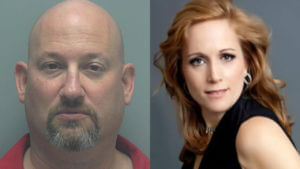
Mark and Teresa Sievers (Courtesy of Lee County Sheriff’s Office/Scripps News Fort Myers-Naples)
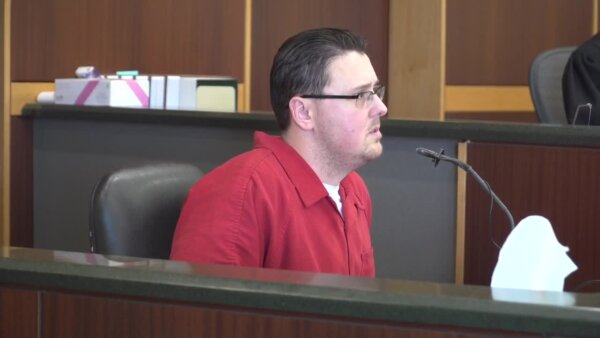
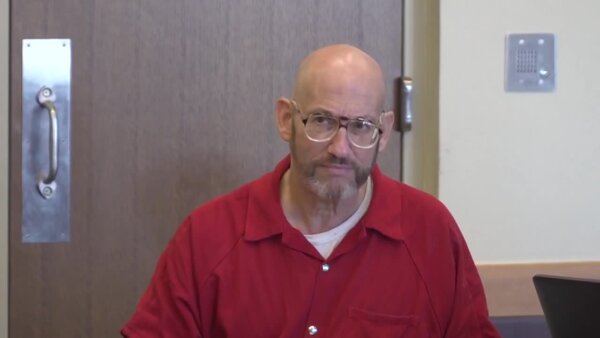
Voir dire is in full swing in Fort Myers, Florida, where a man will stand trial for his wife’s murder nearly one month after the hitman was found guilty of second-degree murder.
Mark Sievers is facing the death penalty for the gruesome murder of beloved holistic doctor Teresa Sievers. 46-year-old Teresa Sievers was bludgeoned to death at her Bonita Springs home on June 28, 2015, after returning home alone from a family trip to Connecticut. Her body, which sustained seventeen blunt force trauma blows, was found the next day.
Prosecutors say Mark planned his wife’s murder, but before they can spell out their case in front of a jury, they first have to select a jury. Making the process more challenging, these jurors will also need to be cleared for a capital punishment case because if Mark is convicted of first-degree murder, the jury would decide between the death penalty or life in prison as punishment. It took the court two days to ask prospective jurors about their views on the death penalty, which invoked religious and philosophical conversations about executions in open court.
Here are the voir dire rules in Florida:
- A person whose beliefs prohibit them from choosing the death penalty cannot be a juror in a capital case
- A jury panel for a capital case is made up of 12 individuals and the judge decides how many alternates are needed
- Each side receives 10 preemptory strikes in a capital punishment case
- Each side also gets one preemptory strike/challenge for the alternates
The State and Defense questioned the final pool of 36 prospective jurors in preparation for using their ten strikes each.
And in the end, 12 jurors and two alternates were sworn in. Opening statements are scheduled to begin at 10 am ET on Wednesday, November 20.