More results...
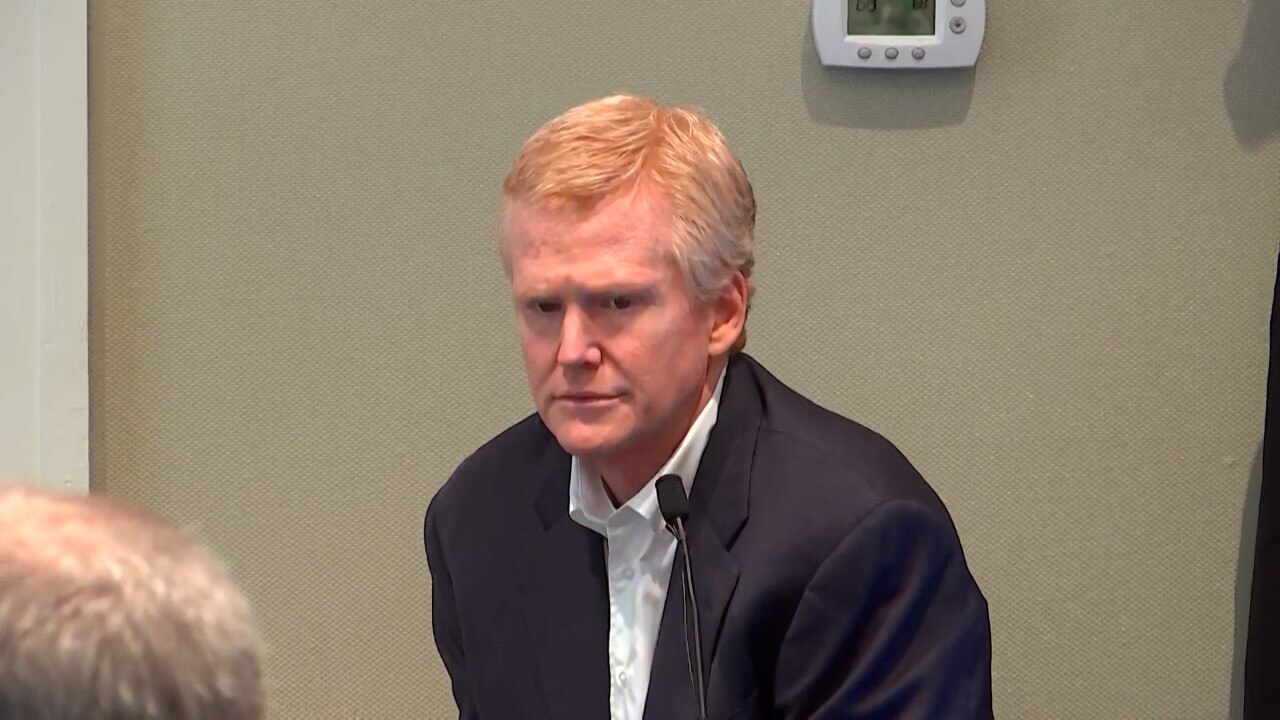
Murdaugh Family Murders: SC v. Alex Murdaugh
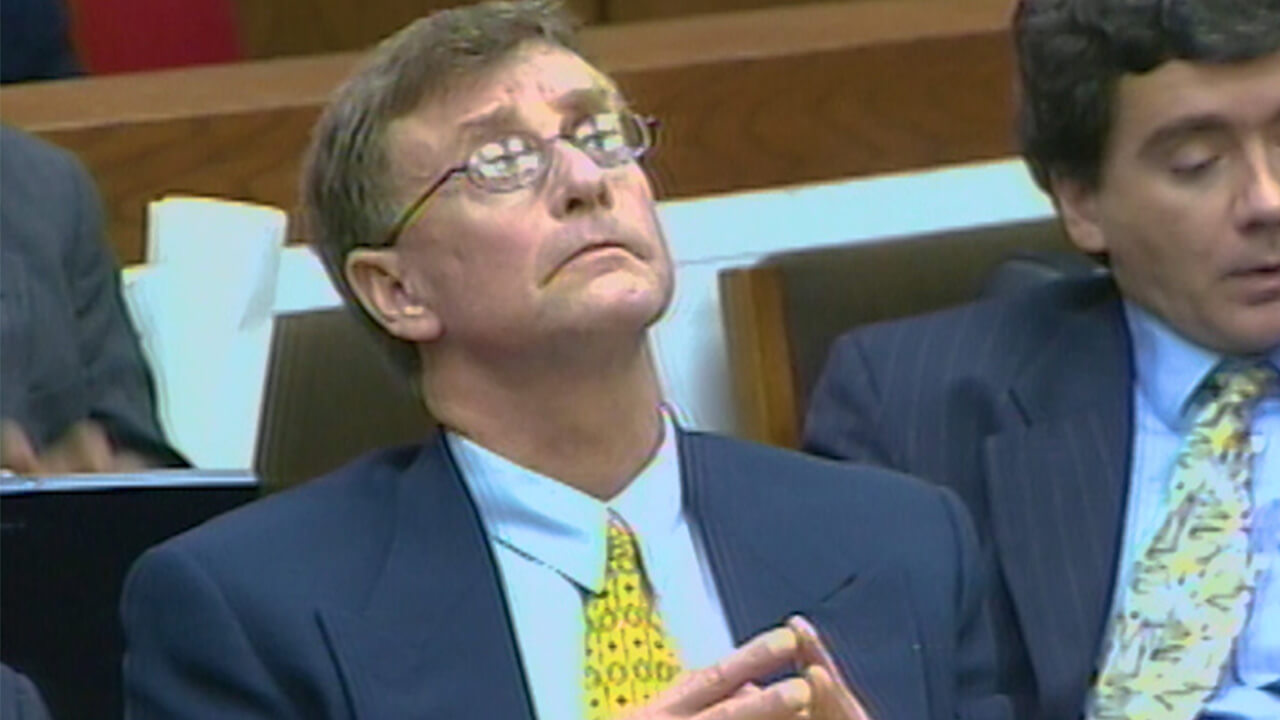
'The Staircase' Murder Trial: NC v. Michael Peterson
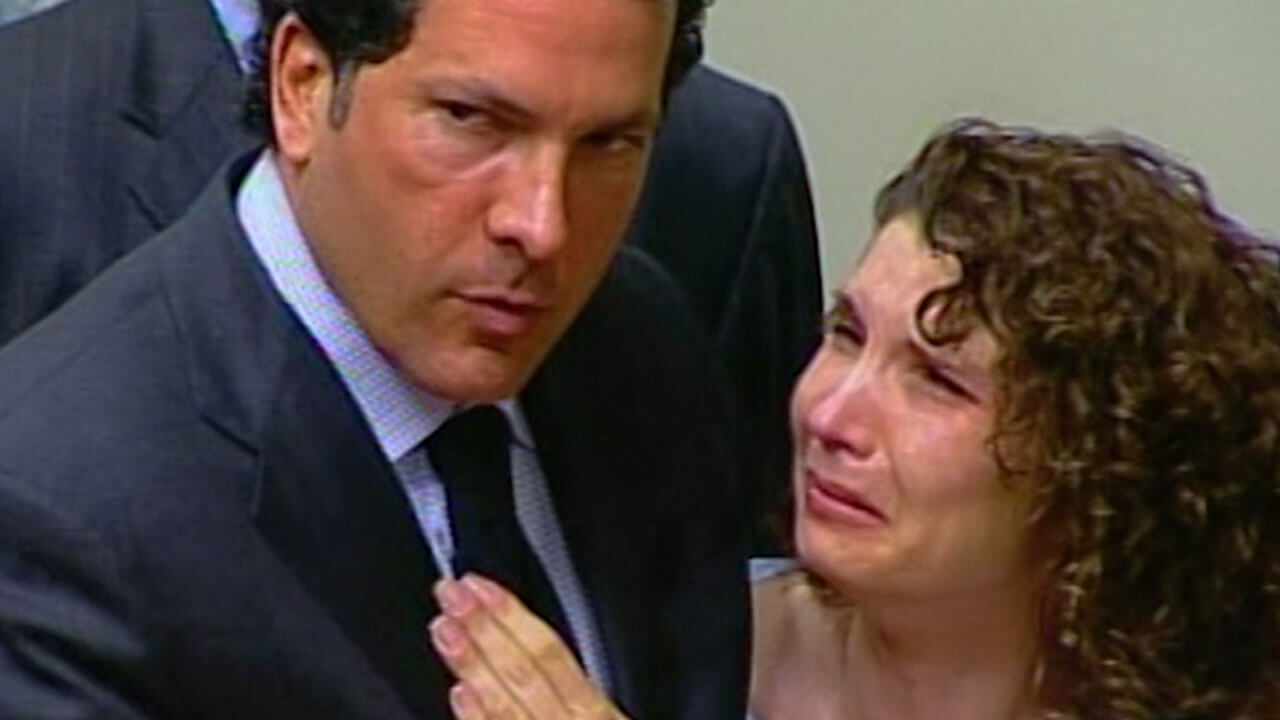
Suitcase Murder Trial: NJ v. Melanie McGuire
Watch Court TV's Legendary Trials Channel
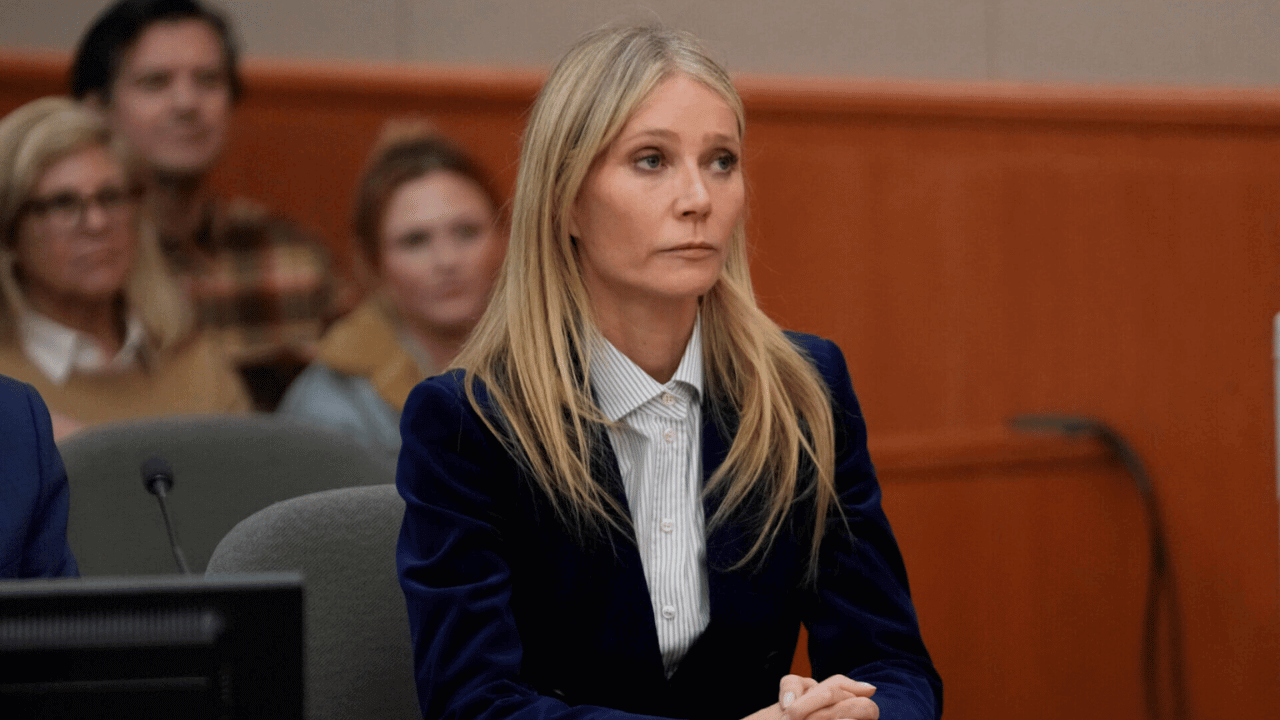
Gwyneth Paltrow Ski Crash Trial
NFL Star Rape Trial: CA v. Kellan Winslow II
Phil Spector Murder Trial: CA v. Phil Spector
Paparazzi Harassment Civil Trial: Richard Corkery v. Bill Cosby
Champion Boxer Left for Dead: FL v. Jim Martin
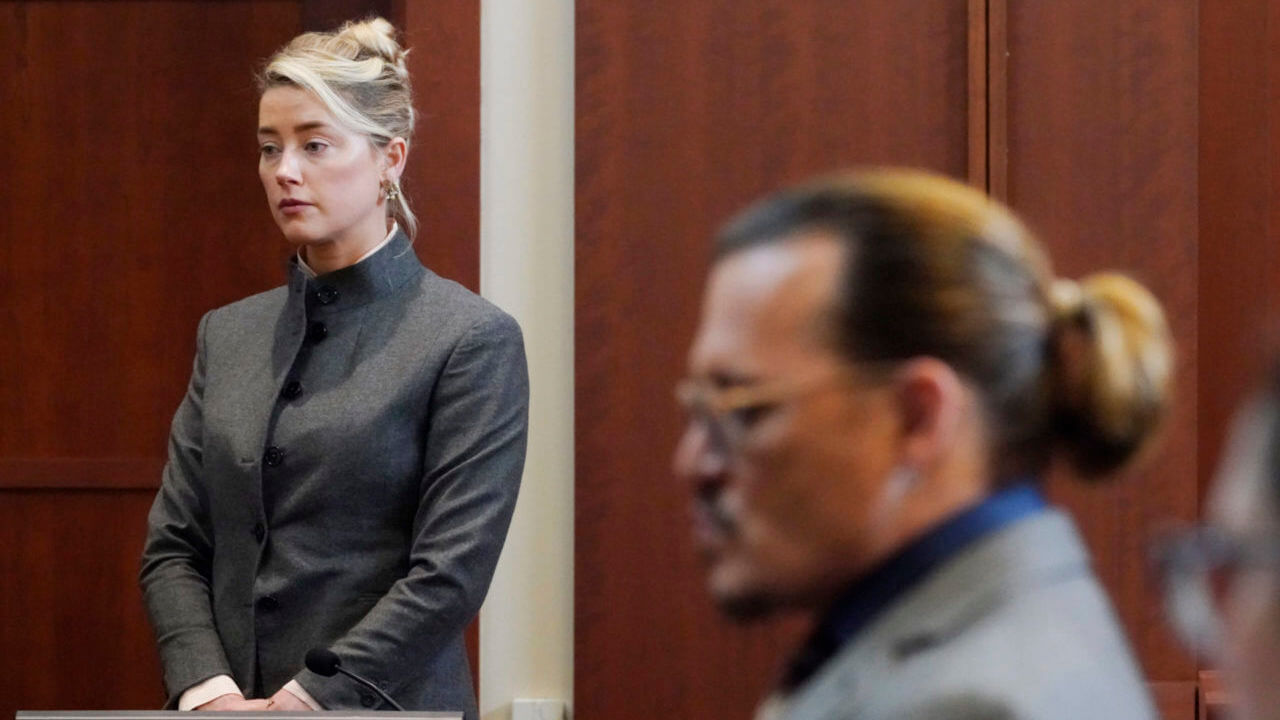
Johnny Depp Defamation Case: Depp v. Heard
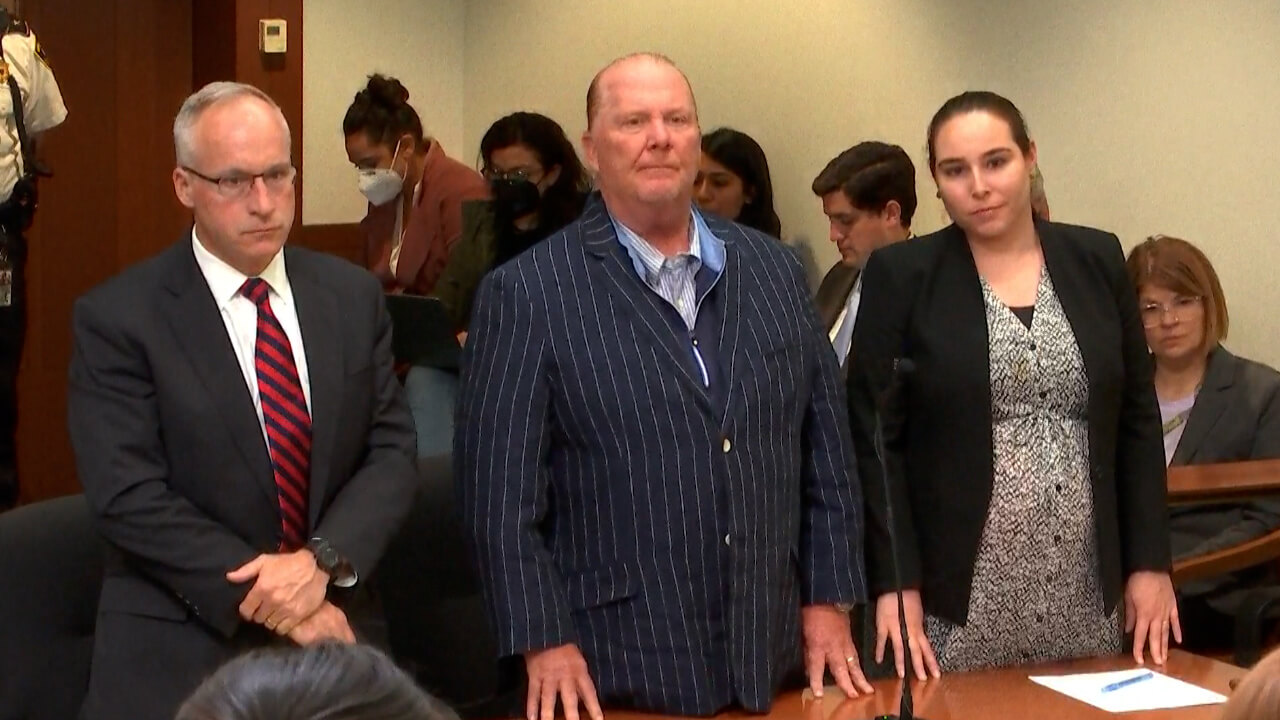
Celebrity Chef On Trial: MA v. Mario Batali
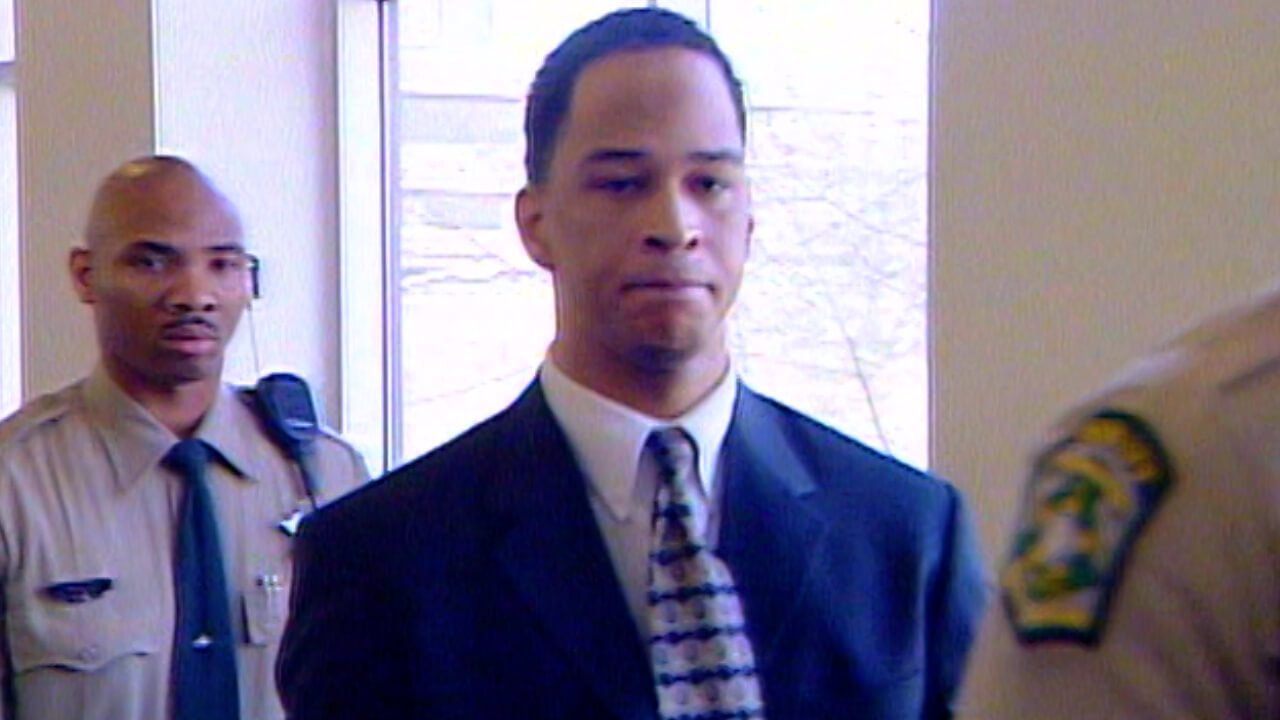
Rae Carruth Murder Trial: NC v. Rae Carruth
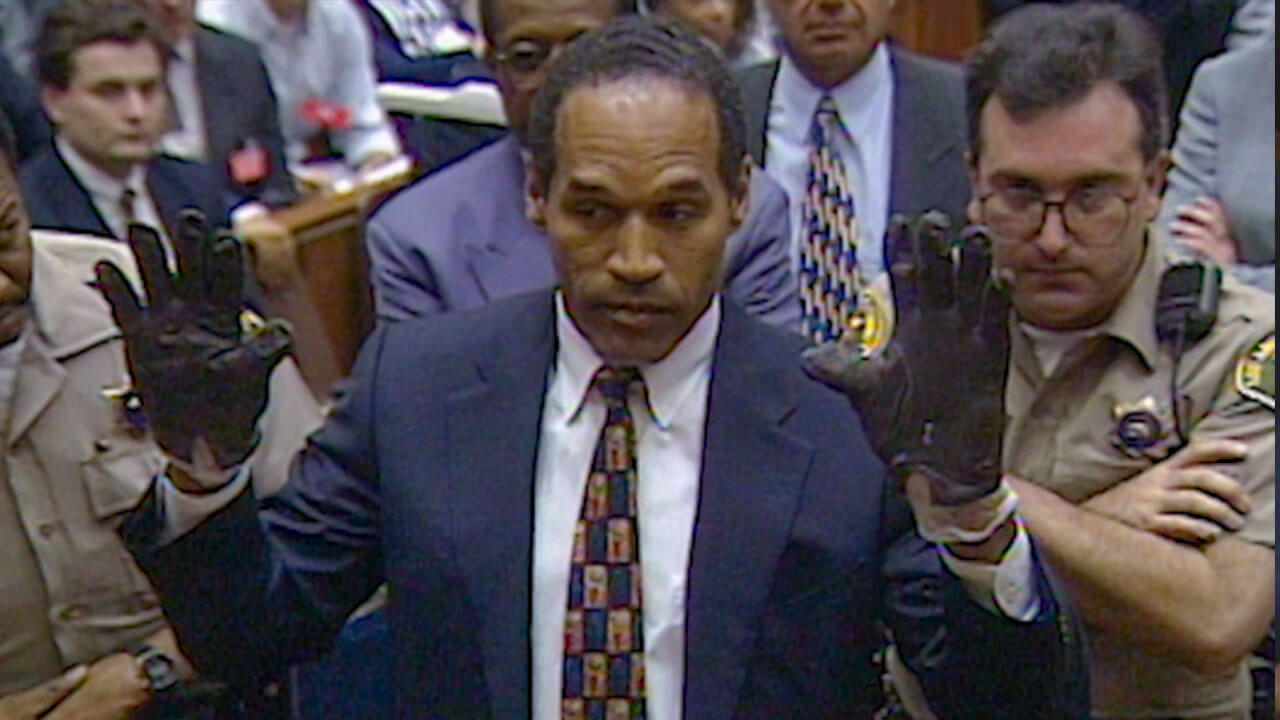
Trial of the Century: CA v. O.J. Simpson
Vegas Robbery Trial: NV v. O.J. Simpson
Reality Star Assault Trial: TN v. Geoffrey Paschel
Road Rage Trial: FL v. O.J. Simpson
'Jenny Jones Show' On Trial: Amedure v. Jenny Jones Show
Obsessive Fan Murder Trial: CA v. Robert Bardo
Ex-CSI Murder Trial: FL v. Ashley McArthur
The Killing of Mollie Tibbetts: IA v. Cristhian Bahena Rivera
Late Night Brawl Leads to Killing: MI v. Steven Washington
Former Rockette Fatally Stabbed: NY v. Kevin McKiever
Mistaken Rideshare Murder Trial: SC v. Nathaniel Rowland
Bar Fight Murder Trial: TN v. Michael Mosley
Windshield Murder Trial: TX v. Chante Mallard
Deadly Neighborhood Feud: WV v. Chester Lilly
Missing Baby Gabriel: AZ v. Elizabeth Johnson
Missing Baby Gabriel: AZ v. Tammi Smith
Teen Blogger Murder Trial: AK v. Rachelle Waterman
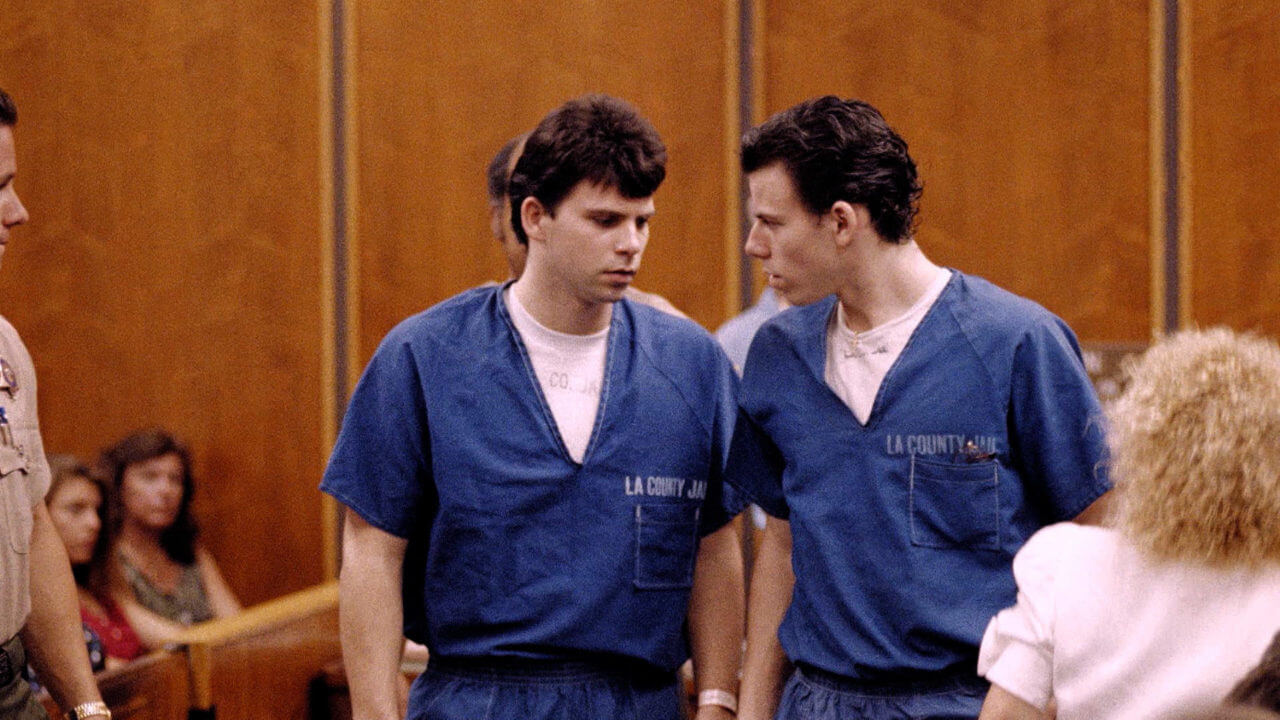
Menendez Brothers Murder Trial: CA v. Menendez
Teen Accused of Murder: CO v. Andrew Galek
Porn Obsession Murder Trial: FL v. Grant Amato
Mummified Mother Found Under Rock Garden: FL v. Stacey Kananen
Parents Left for Dead: FL v. Christopher Sutton
Teen Accused of Murdering Neighbor: GA v. Lacy Schmidt
Ex-Football Star Murders Coach: IA v. Mark Becker
The Death of Shirley Carter: IA v. Jason Carter
Nanny Murder Trial: MA v. Louise Woodward
Valedictorian Murder Trial: MI v. Jeffrey Pyne
Twin Brother Murder Trial: OH v. Derris Lewis
Parents Dismembered Murder Trial: TN v. Joel Guy
Parents Dismembered Trial: WI v. Chandler Halderson
Vampire Cult Murder Trial: FL v. Rod Ferrell
Doomsday Cult Case Preliminary Hearing: ID v. Chad Daybell
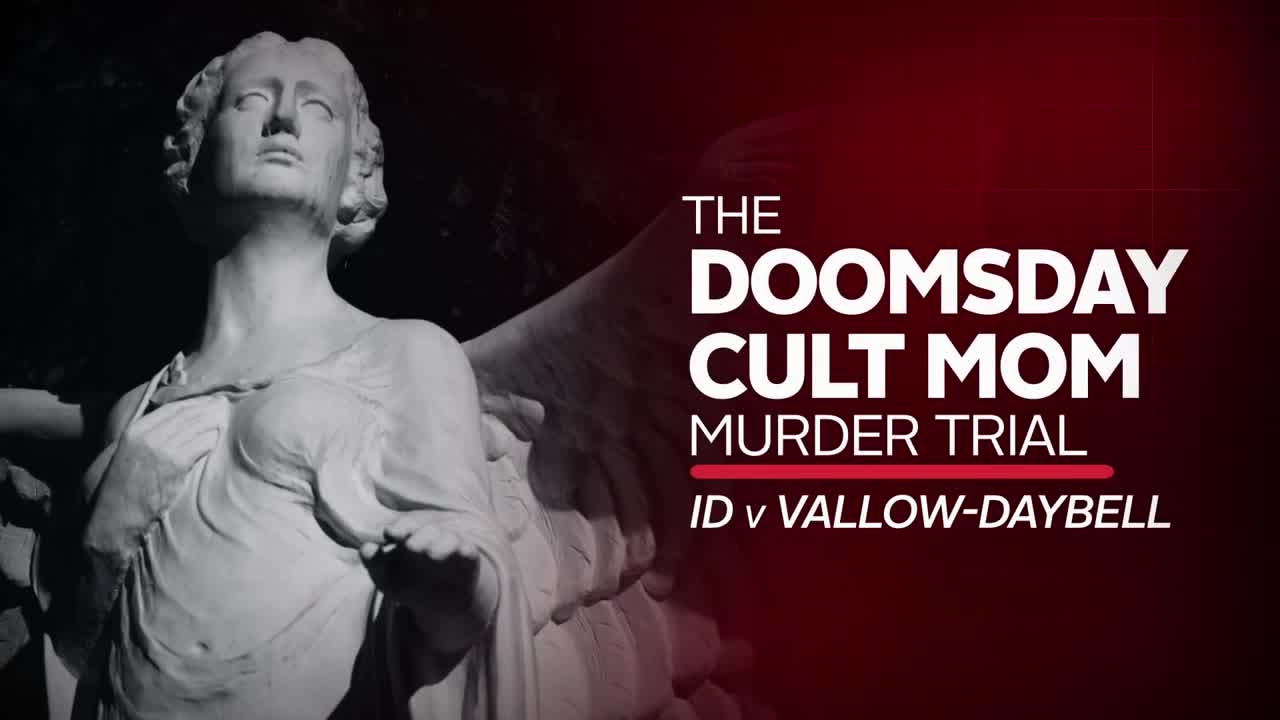
Doomsday Cult Mom Trial: ID v. Lori Vallow Daybell
Charles Manson Family Parole Hearings
Tot Mom Murder Trial: FL v. Casey Anthony
Pool Drowning Murder Trial: FL v. Amanda Lewis
Hot Car Baby Murder Trial: FL v. Omar Long
Toddler Hot Car Death: GA v. Justin Ross Harris Hearing
The Death of Baby Caliyah: GA v. Christopher McNabb & Cortney Bell
The Death of Baby Sterling: IA v. Cheyanne Harris
The Death of Baby Dylan: OH v. Daniel & Jessica Groves
Cheerleader On Trial For Baby's Murder: OH v. Brooke Skylar Richardson
Antifreeze Murder Trial: WI v. Mark Jensen
A Woman Scorned: CA v. Betty Broderick
Arsenic Poison Murder Trial: CA v. Cynthia Sommer
Fatal Birthday Fight: FL v. Bo Pete Jeffrey
Mom Killed While Son At Home: FL v. Keith Johansen
Spray Tan Murder Trial: FL v. Adam Kaufman
Kitchen Knife Murder Trial: FL v. Danielle Redlick
Millionaire Charged in Murder Plot: FL v. Ronald Samuels
Wife Charged With Murder: FL v. Tobie & Cooper
Atlanta Socialite Murder Trial: GA v. James Sullivan
Husband Hires Hitman: GA v. Frederic Tokars
Jealous Wife Murder Trial: IA v. Michelle Boat
Corn Rake Murder Trial: IA v. Todd Mullis
Woman Kills Abusive Husband: IA v. Dixie Shanahan
British National Murders Wife & Baby: MA v. Neil Entwistle
Anchorwoman Murder Trial: MI v. Bradford King
Sex, Lies And Murder: MI v. Sharee Miller
Teacher Kills Husband: MI v. Nancy Seaman
Snake Breeder Murder Trial: MO v. Lynlee Renick
Family Nightmare Murder Trial: MO v. Danny Welte
The Death of Gregg Smart: NH v. Pamela Smart
Suitcase Killer Murder Trial: NJ v. Melanie McGuire
Rabbi On Retrial for Wife's Murder: NJ v. Fred Neulander
Rabbi On Trial for Wife's Murder: NJ v. Fred Neulander
Sex, Cyanide, and a Doctor on the Run: OH v. Yazeed Essa
Husband Accused of Murder: OH v. Jeffrey Krotine
Romance Novelist Murder Trial: OR v. Nancy Brophy
Southern Murder Mystery: SC v. Michael Colucci
Minister Murder Trial: TX v. Matt Baker
Murder or Suicide?: TX v. Susie Mowbray
No Body Murder Trial: WI v. James Prokopovitz
Daycare Murder Trial: GA v. Hemy Neuman
Married Man Accused in Death of Secret Fiancée: MO v. James Addie
Police Love Triangle Murder Trial: CO v. Shawna Nelson
Deadly Teen Love Triangle: FL v. Rachel Wade
Firefighter Paramedic Murder Trial: WI v. David Beck
Pizza Delivery Murder Trial: OH v. Erica Stefanko
Killer Girlfriend Murder Trial: WI v. Ezra McCandless
Witchcraft Triple Murder Trial: FL v. Donald Hartung
The Gainesville Ripper: FL v. Danny Rolling
Family Massacre Murder Trial: FL v. Henry Segura
America's First Female Serial Killer: FL v. Aileen Wuornos
Ex-Pilot Charged in Triple Murder: KY v. Kit Martin
Quadruple Murder in a Small Town: ND v. Chad Isaak
Death Penalty Arson Trial: OH v. Stanley Ford
Racist Serial Killer Murder Trial: OH v. Joseph Franklin
Waffle House Shooting Trial: TN v. Travis Reinking
Fatal Shooting at Jewish Center: WA v. Naveed Haq
Jeffrey Dahmer: Monster or Madman?
Deadly Parade Crash Trial: WI v. Darrell Brooks
The Death of Michael Jackson: CA v. Dr. Conrad Murray
Caretaker Charged With Murder: GA v. Landon Terrel
The Trials of Dr. Death: MI v. Dr. Jack Kevorkian
Faith-Healing Trial: OR v. Jeffrey & Marci Beagley
Parents Charged in Baby's Death: OR v. Carl & Raylene Worthington
Bounty Hunter Murder Trial: AZ v. Timothy Ring
Sikh Murder Trial: AZ v. Frank Roque
'The Jinx' Murder Trial: CA v. Robert Durst
Transgender Murder Trial: CO v. Allen Andrade
Man, 81, On Trial For Murder: FL v. Marc Benayer
Employee Charged in Double Murder: FL v. Maria Catabay
Pot Sale Turns Deadly: FL v. Kaliyha Everett
Ice Cream Man Murder Trial: FL v. Michael Keetley
Nanny Abduction & Murder Trial: FL v. Scott Nelson
Dating App Murder Trial: FL v. Andre Warner
Golf Cart Murder Trial: KY v. Lazaro Pozo Illas
Student On Trial After Roommate's Suicide: NJ v. Dharun Ravi
NBA Star Murder Trial: TN v. Billy Ray Turner
Hit-And-Run Murder Trial: TN v. Janet Hinds
The Death of Morris Black: TX v. Robert Durst
Pastor On Trial: WA v. Randall Foos
Teen Killed Murder Trial: WV v. Andy McCauley
School Bus Stop Murder Trial: WV v. Morgan Vandergriff
Evil Twin Murder Trial: CA v. Gina Han
Custody Hitman Murder Trial: FL v. Tommy Carlton
Newlywed Accused of Hiring Hitman: FL v. Dalia Dippolito
Witness Killed in Murder-For-Hire Plot: FL v. Kelsey McFoley
Hammer Hitman Murder Trial: FL v. Jimmy Rodgers
Hammer Killing Murder Trial: FL v. Mark Sievers
Sheriff Charged in Rival's Murder: GA v. Sidney Dorsey
Cop Charged in Murdering Tow Truck Driver: CA v. Douglas Iversen
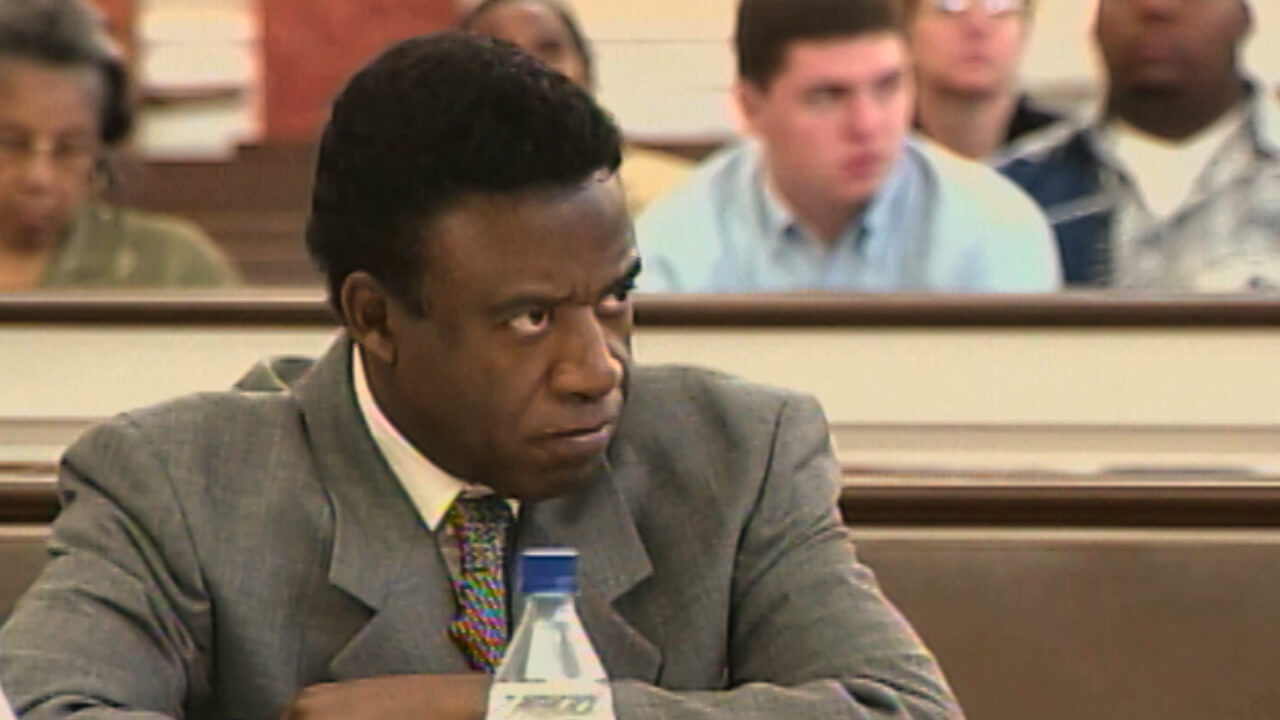
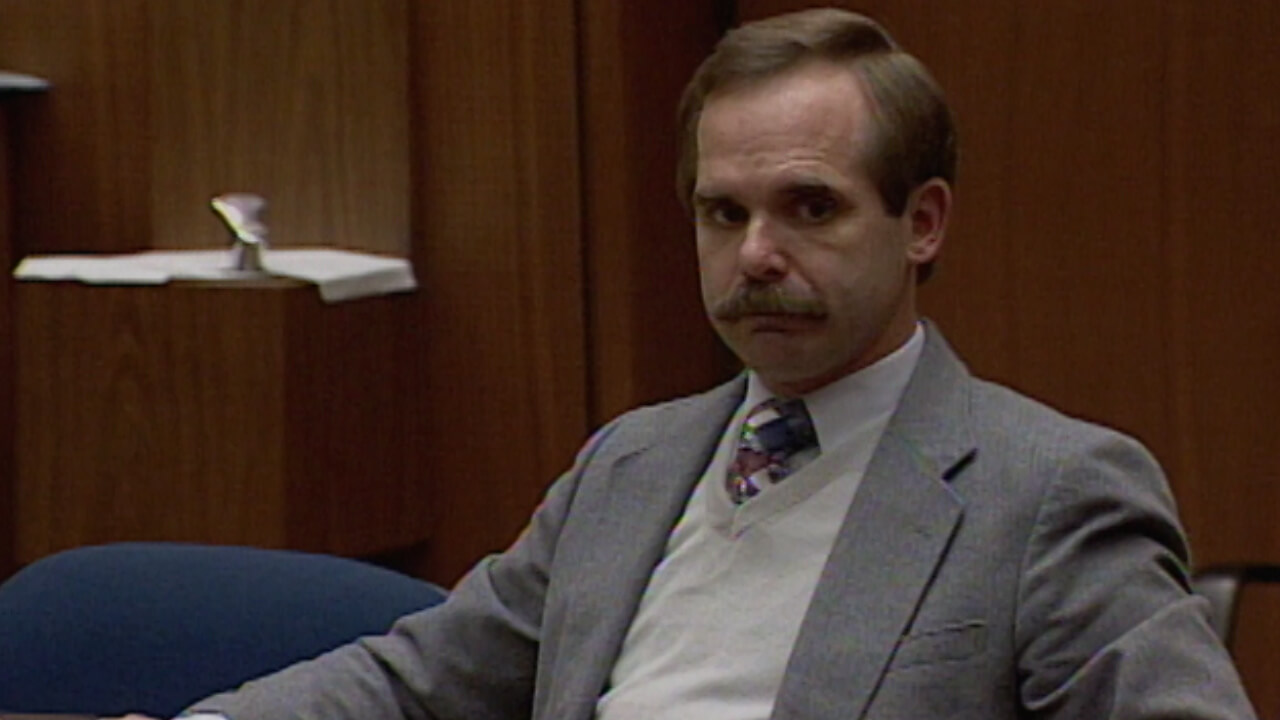
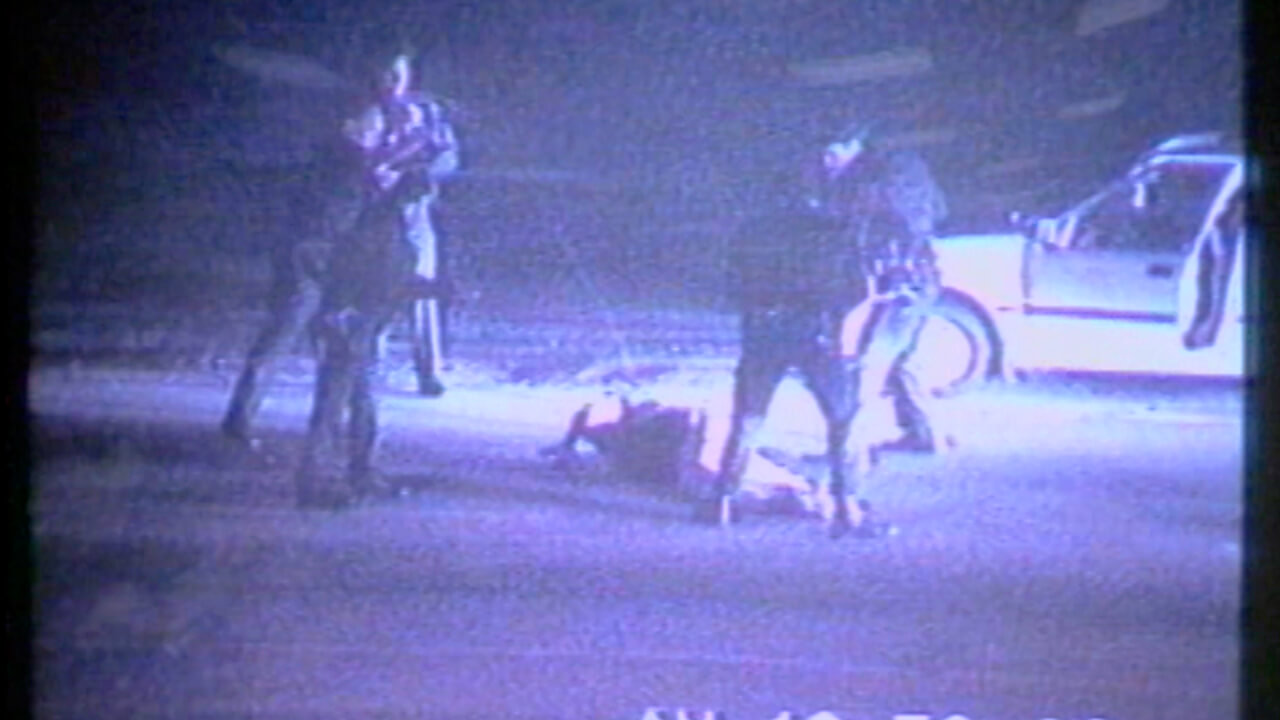
The Beating of Rodney King: CA v. Powell, et al.
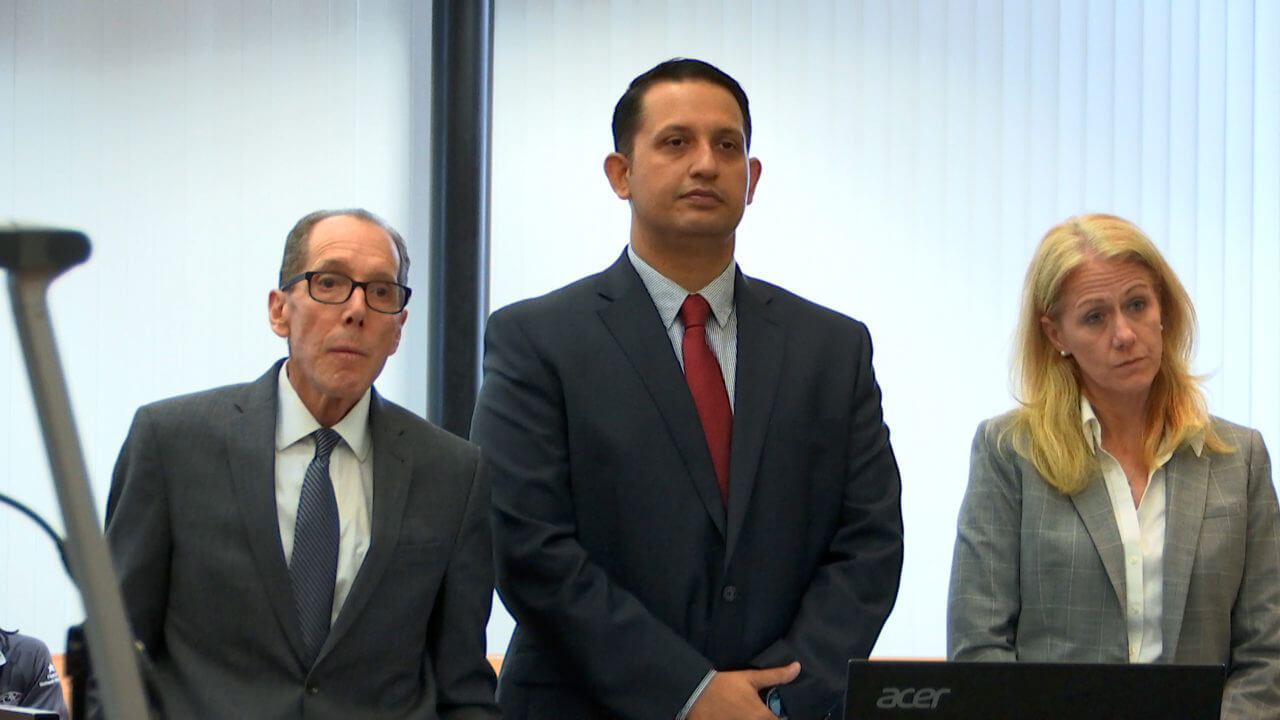
Stranded Motorist Murder Trial: FL v. Nouman Raja
Breonna Taylor Botched Raid Trial: KY v. Brett Hankison
The Death of George Floyd: MN v. Derek Chauvin
The Death of Daunte Wright: MN v. Kim Potter
The Death of Amadou Diallo: NY v. Boss, et al.
Wrong Apartment Murder Trial: TX v. Amber Guyger
The Beating of Frank Jude Jr.: WI v. Masarik, et al.
The Murder of Travis Alexander: AZ v. Jodi Arias
Ex-Girlfriend Obsession Murder Trial: FL v. William Coday
Jealous Lover Murder Trial: FL v. Erin Robinson
Scorned Lover Murder Retrial: GA v. Dionne Baugh
Scorned Lover Murder Trial: GA v. Dionna Baugh
Ex-Cop Accused of Murdering Gay Lover: MO v. Steven Rios
Las Vegas Millionaire Murder: NV v. Murphy & Tabish
Parking Lot Rage Killing Trial: FL v. Michael Drejka
Card Game Killer: FL v. Richard Fortner
Movie Popcorn Murder Trial: FL v. Curtis Reeves
The Killing of Ahmaud Arbery: GA v. McMichael, et al.
The Killing of Ahmaud Arbery: GA v. McMichael, et al. Pretrial Hearing
Deadly Road Rage Shooting: WI v. Theodore Edgecomb
Kenosha Protest Shooting: WI v. Kyle Rittenhouse
Cop Killer Murder Trial: WI v. Andrew Wirth
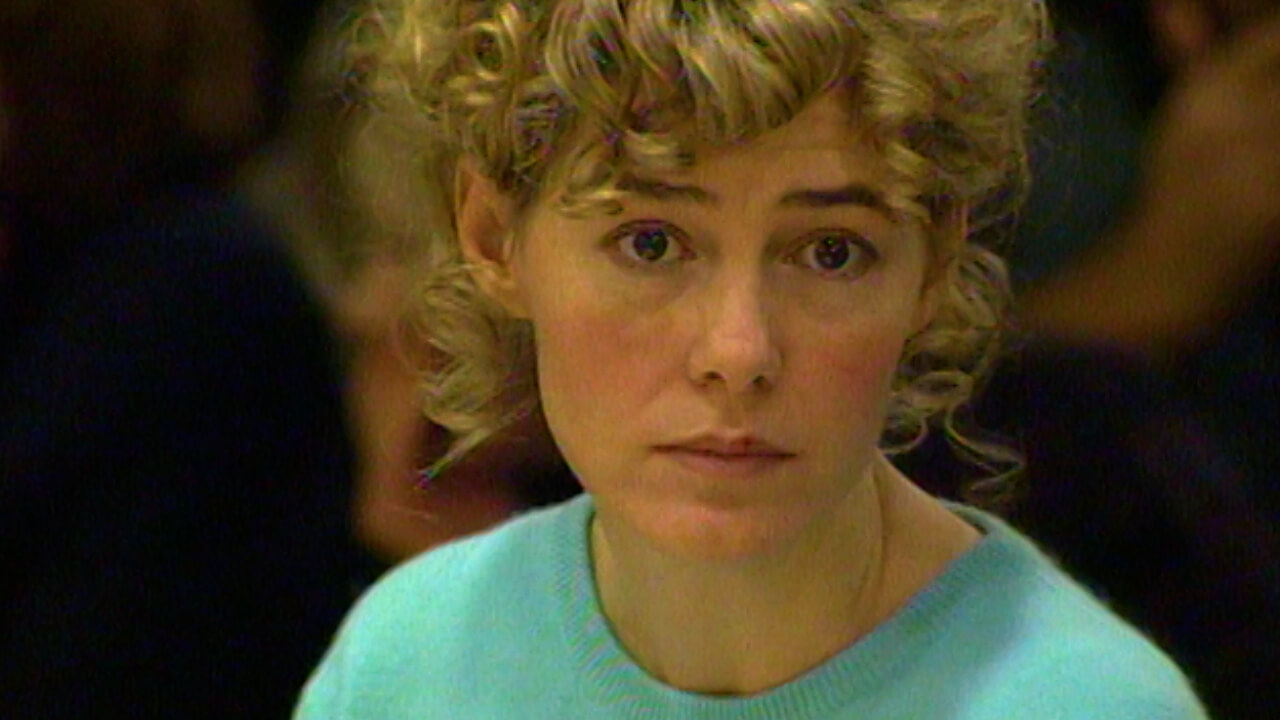
Teacher Jailed for Raping Student: WA v. Mary Katherine Letourneau