By John Springer
Court TV
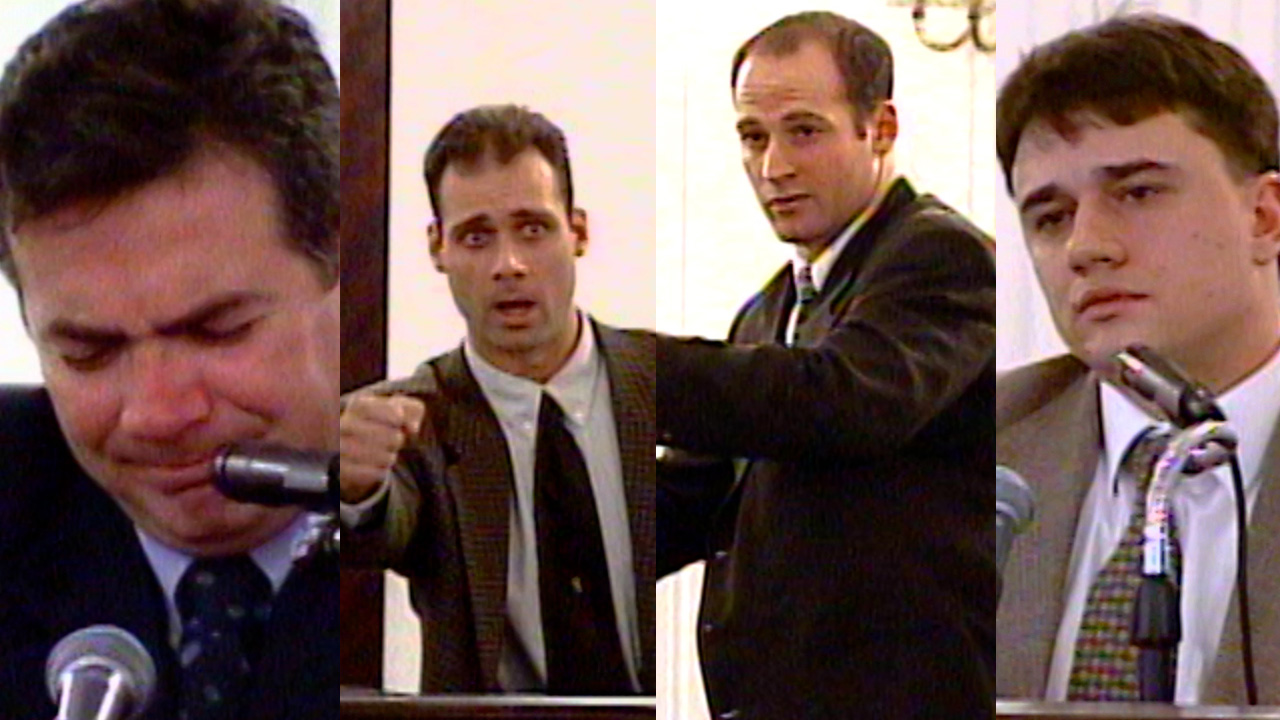
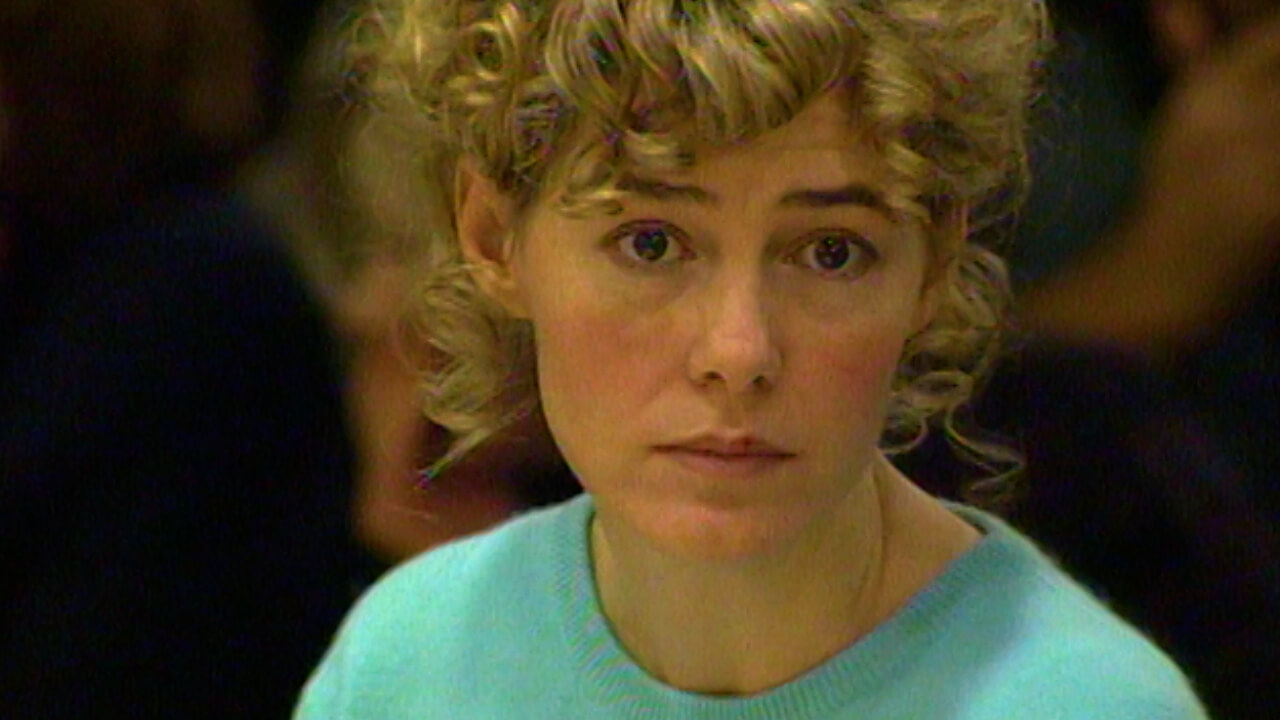
TORTOLA, British Virgin Islands The jury hearing evidence against the four men charged with killing Lois McMillen heard for the first time Wednesday that the defendant Alexander Benedetto had a brief relationship with the victim in New York a relationship that others will testify was intimate and lasted for about three months in 1997.
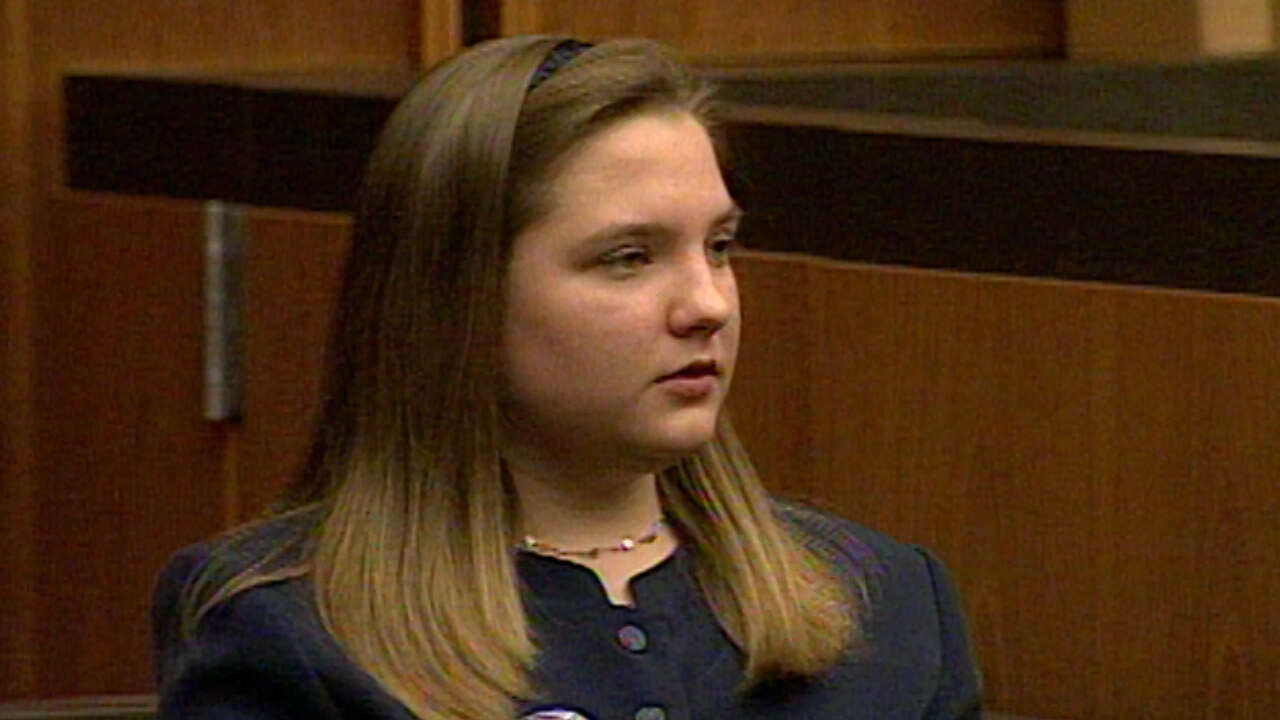
All the defendants were acquainted with McMillen, the 34-year-old artist from Connecticut whose body was discovered on the shoreline of this eastern Caribbean island on Jan. 15, 2000. Benedetto told police after McMillen's death that he had a brief relationship with McMillen but insisted it ended amicably.
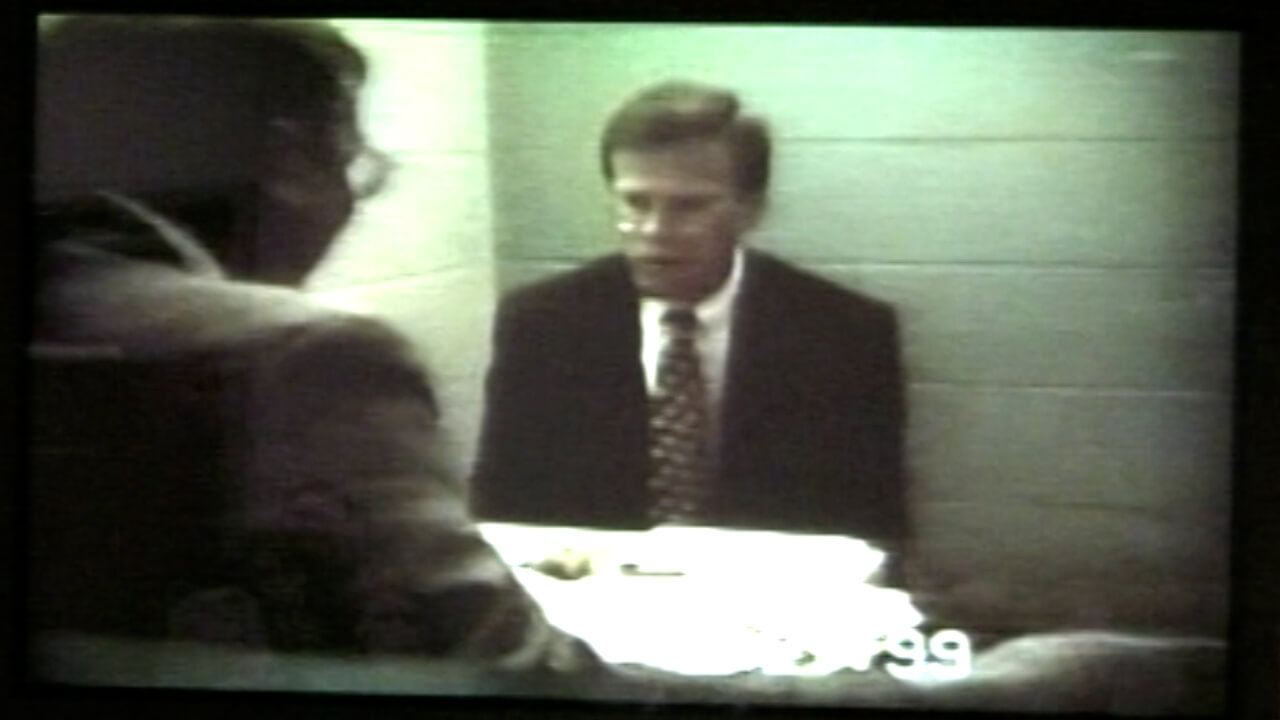
Royal Virgin Islands Police Sgt. Duncan Williams testified Wednesday morning that he took a written statement from defendant Michael Spicer the day after Spicer, Benedetto and two other defendants William Labrador and Evan George were arrested for suspicious of murder.
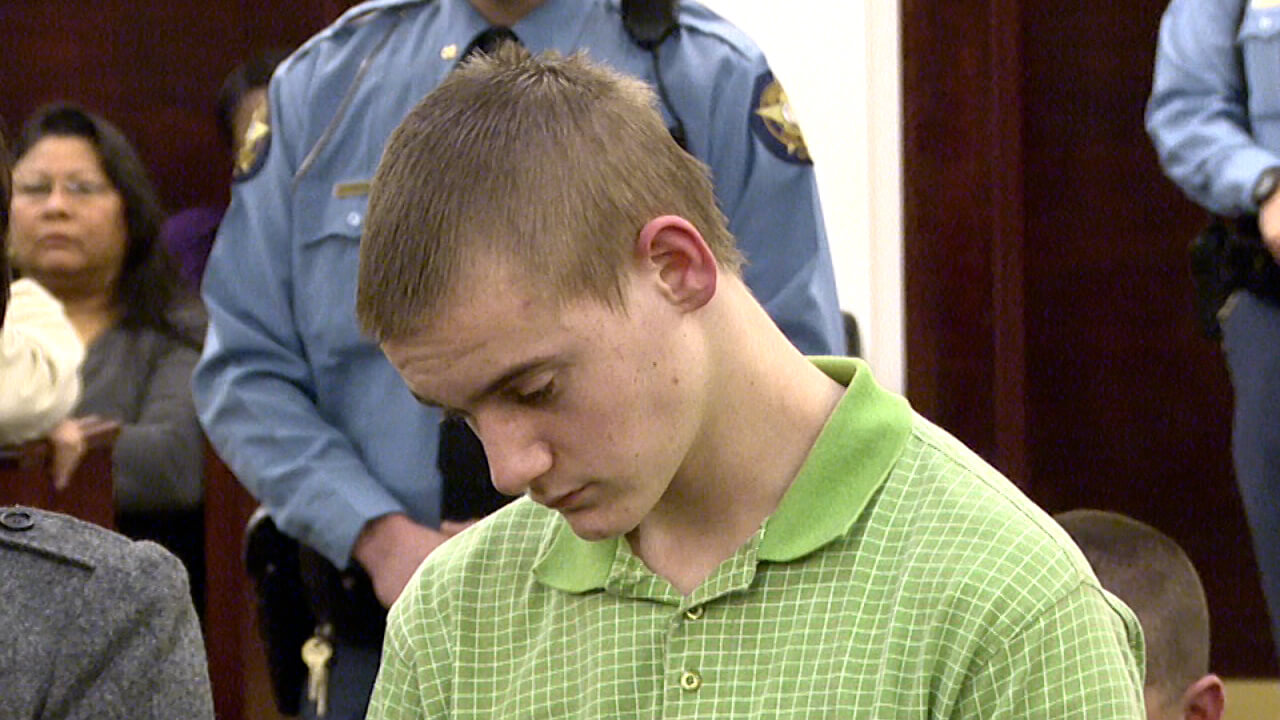
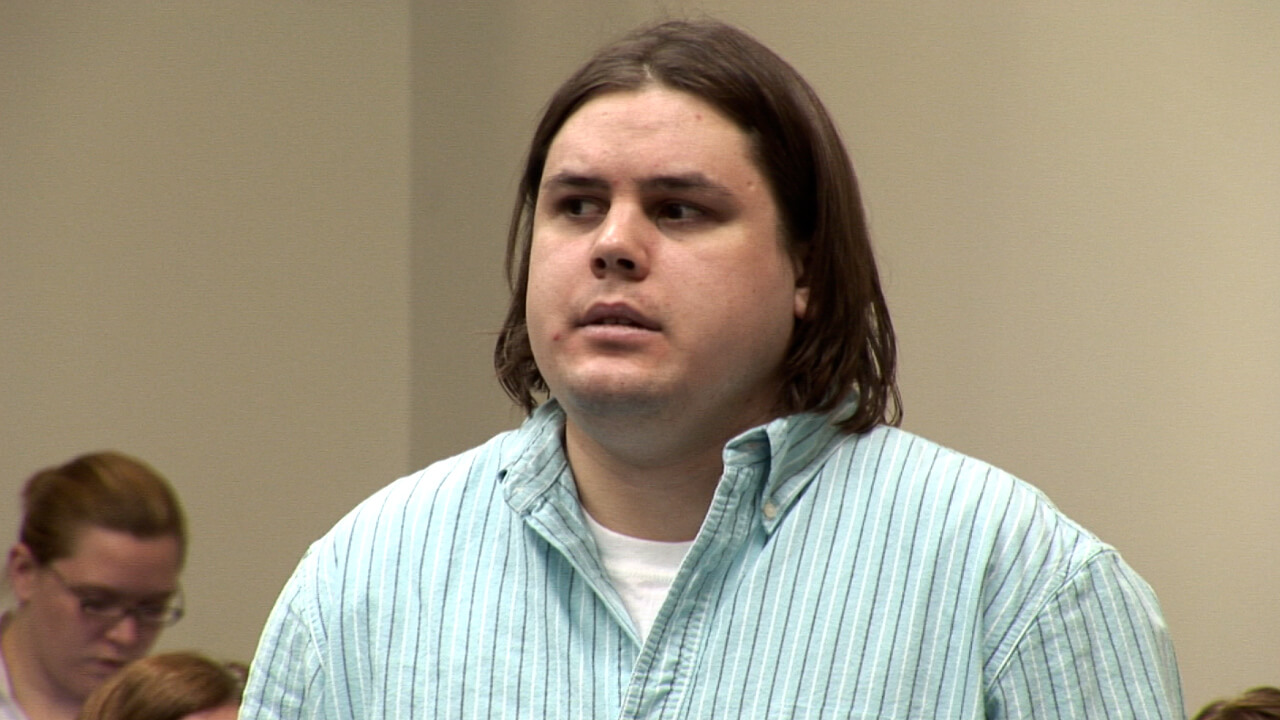
The jury first learned of Benedetto's previous relationship with McMillen, a former model, when Williams read Spicer's statement into the record of the trial that began Monday in Eastern Caribbean Supreme Court. If any of the four men are convicted of murder, they face life in prison.
In his statement, Spicer told Williams that he, Labrador, George and Benedetto left the house they were staying in by cab about 11 p.m. on Jan. 14, 2000. The group stopped to use a Barclay's Bank cash machine at a marina near the bar where McMillen was last seen alive. The group then dropped Labrador off on the road back to Spicer's vacation home and spent the rest of the night partying at a bar on the opposite side of the island from where McMillen's battered body was discovered by a passerby the following morning.
Spicer, who a tabloid TV program recently referred to as a 37-year-old "trust fund kid," said in his statement that he did not see McMillen on the last night of her life and insisted that he knew nothing about her death by drowning.
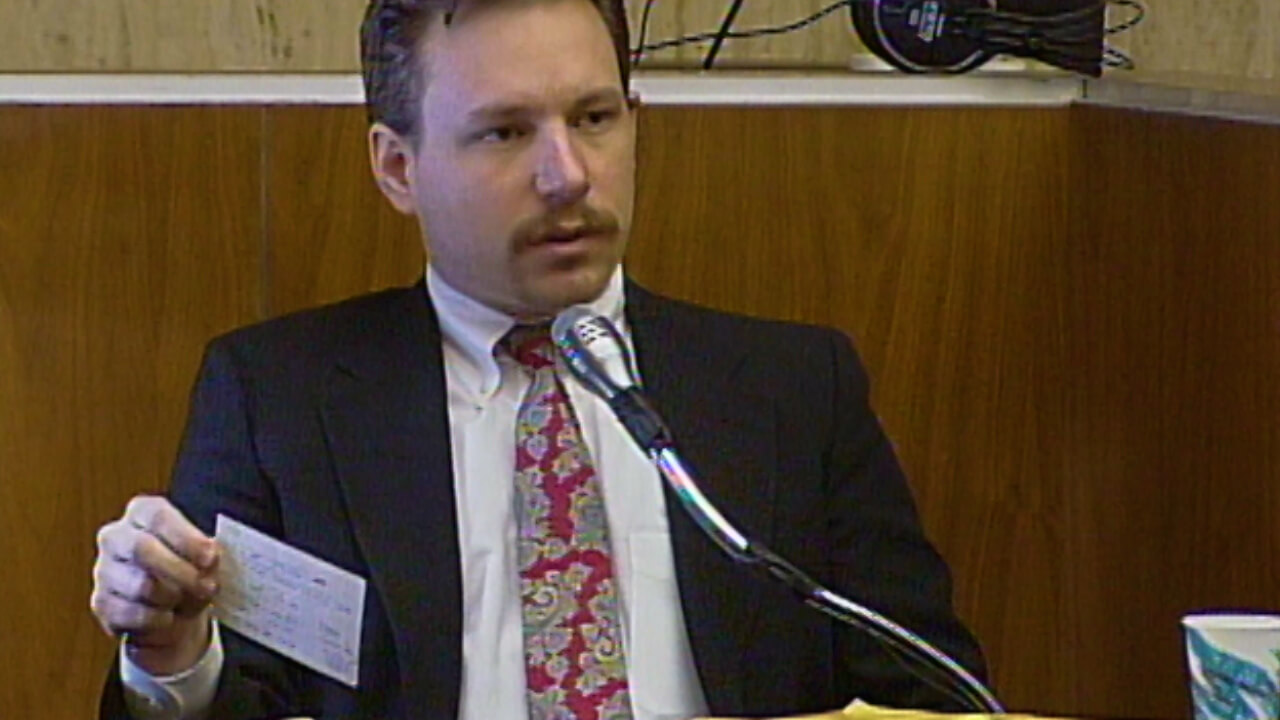
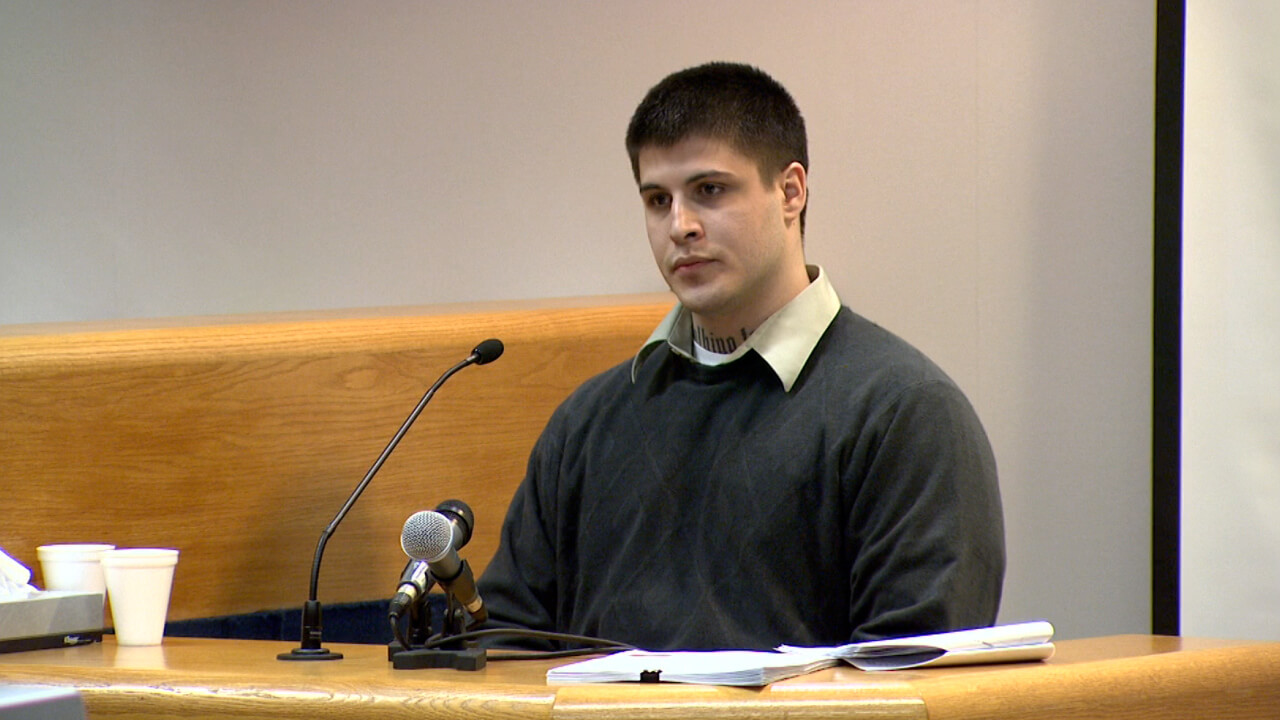
Before Williams' testimony, U.S. Coast Guard Petty Officer Jeffrey Simms, 30, testified that he was at Spicer's home, known as Zebra House, from about 9 p.m. to just before 10 p.m. on that Jan. 14. Simms, who was called by the prosecution, said he left the house when Labrador announced that the group had better get ready to go out.
"Mr. Labrador came out and said, 'We have to get ready to go,'" said Simms, who was reminded by prosecutor Theodore Guerra at one point to turn and face the nine-member jury. "I heard some talk outside, and Michael said more specifically, 'We have to go meet somebody.'"
The prosecution clearly wanted to leave the jury with the impression that the group had plans to meet McMillen and the defense did not ask Simms on cross-examination whether he knew that to be the case. Outside the courthouse after testifying, Simms said he knew the men were going to the bank machine and assumed they were waiting for their ride.
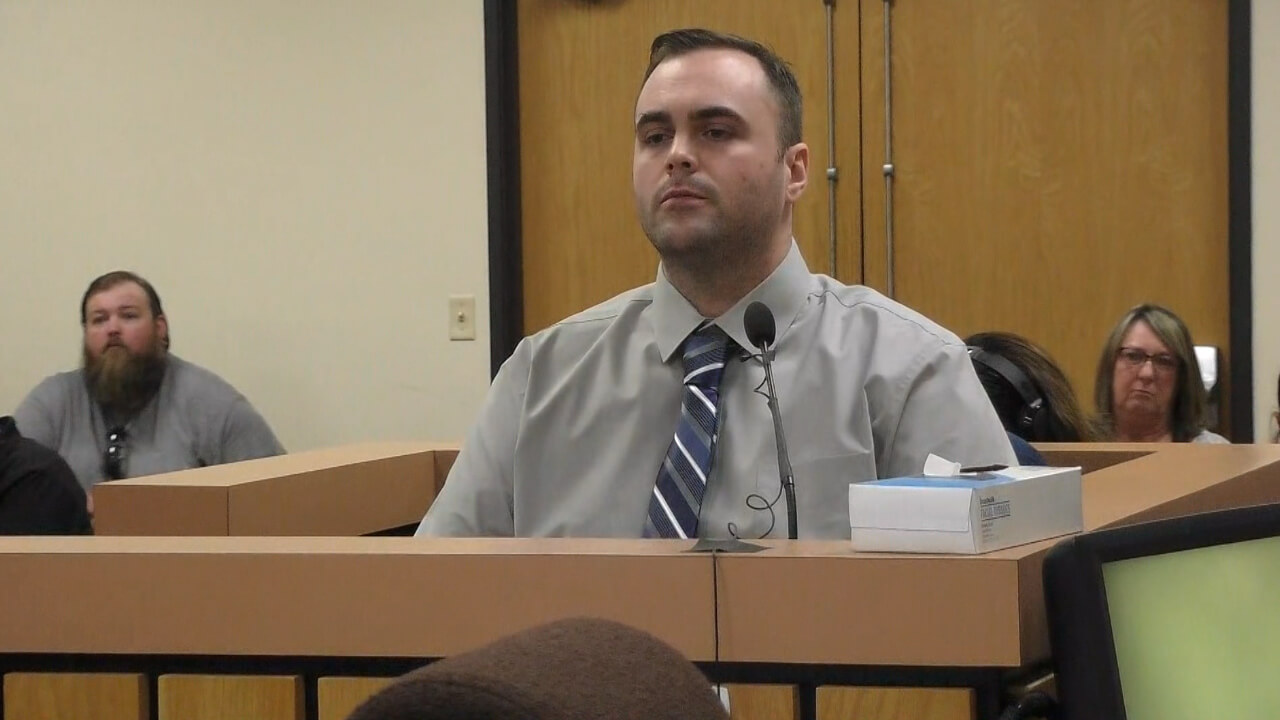
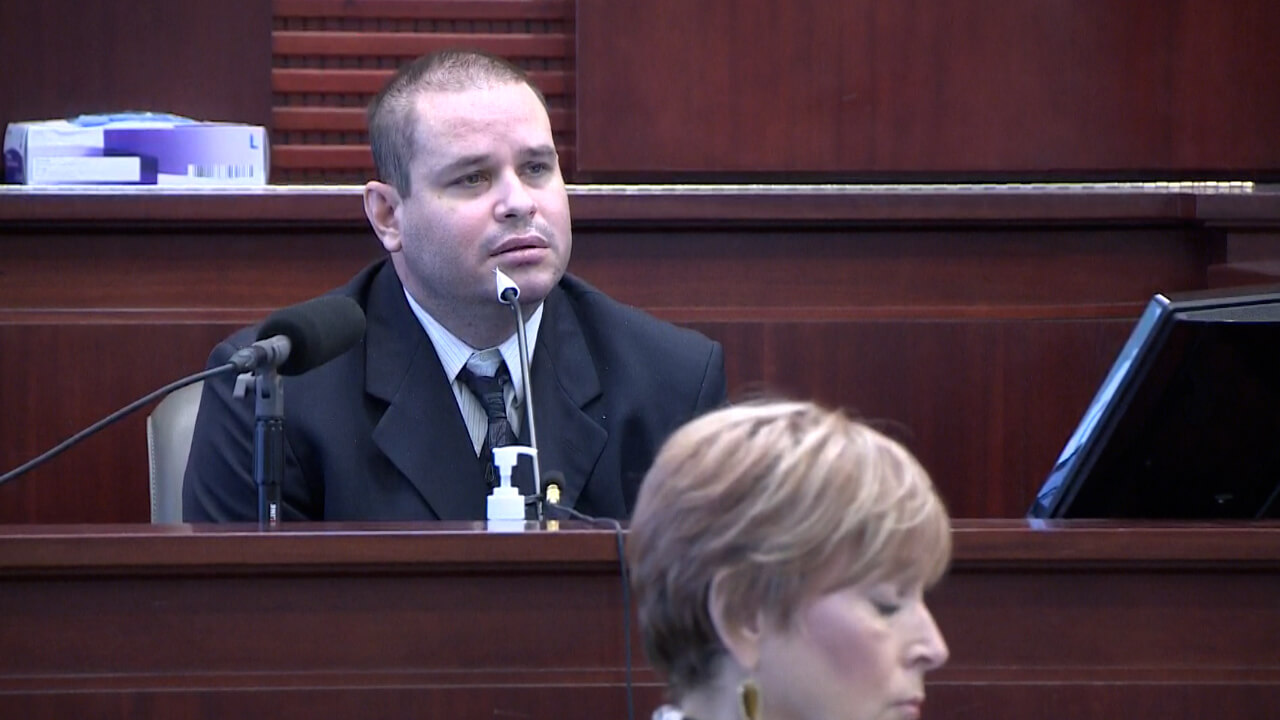
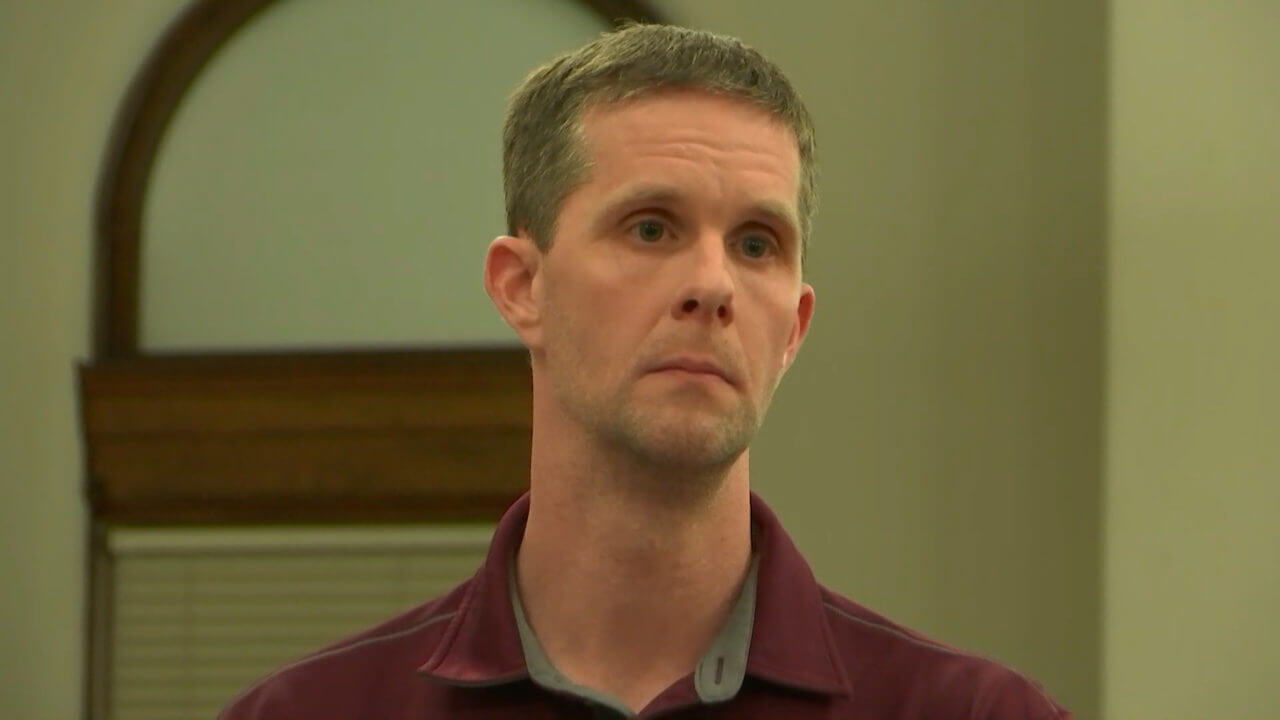
Simms, an electrician aboard the Coast Guard vessel "Grand Isle," only met the defendants that night. He told the jury that the men were acting "normally" during the brief time that he was at Zebra House. The clean-shaven blond man with glasses and short-cropped hair parted to his right was clearly not happy to be dragged into the murder trial making international news. Dressed in a blue blazer, white shirt, burgundy tie and beige pants, Simms was more relaxed later when he told reporters that he only learned of McMillen's deathwhen his executive officer pointed out a newspaper clipping three months ago.
Jurors asked Simms eight questions, including whether Labrador appeared to be upset with Benedetto at Zebra House that night. Simms said it did not appear so.
The first witness called to the stand Wednesday had also testified Monday. Constable Jocelyn Rhymer was ordered to return to court with documents detailing contact she had with Lois McMillen before her death. The defense assumed that the documents concerned a complaint McMillen may have had that a former boyfriend, a 36-year-old Italian man named Luigi Lungarini, had threatened or used violence against her. The documents, however, showed something different.
They concerned some item McMillen was missing, and over the objections of defense lawyers, the prosecution got the documents admitted into evidence. It was not immediately clear what the item was, but Guerra, the prosecutor, clearly wanted the jury to know that it had nothing to do with Lungarini.
Shortly before noon, the jury began hearing testimony from Dr. Francisco Landron, a pathologist from St. Thomas who performed an autopsy on McMillen's body three days after it was discovered lying face up, one breast exposed, on the edge of Sir Francis Drake Channel. The body, discovered about a mile from where McMillen's black four-door rental car was found with the keys in the ignition, showed numerous signs of bruises and scrapes, Landron testified.
The pathologist said he also observed "incised wounds" on the palms of McMillen's hands, suggesting that she was cut by a sharp instrument or weapon perhaps in an unsuccessful attempt to defend herself from her attacker or attackers. Landron testified, as he did in a pretrial deposition last summer in the local magistrate's court, that sand in McMillen's upper and lower airways suggested she drowned in shallow water after the struggle.
 |
| The McMillens leaving the courthouse (Court TV.com) |
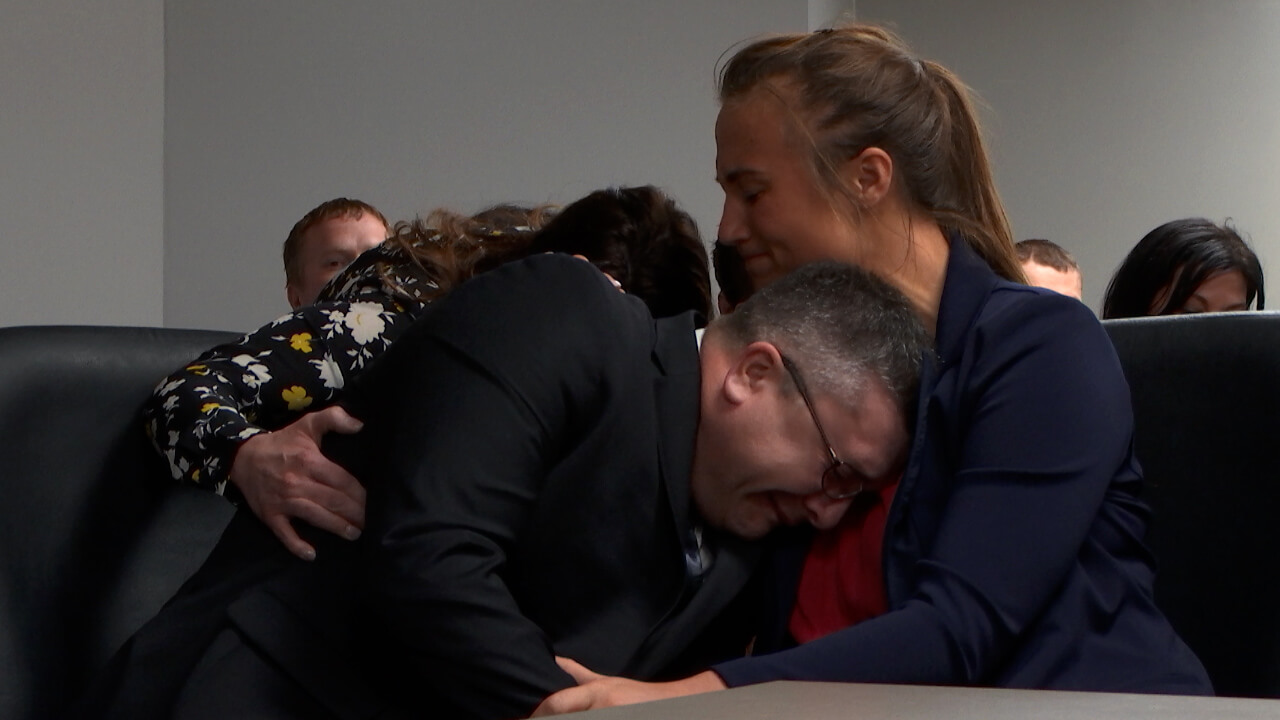
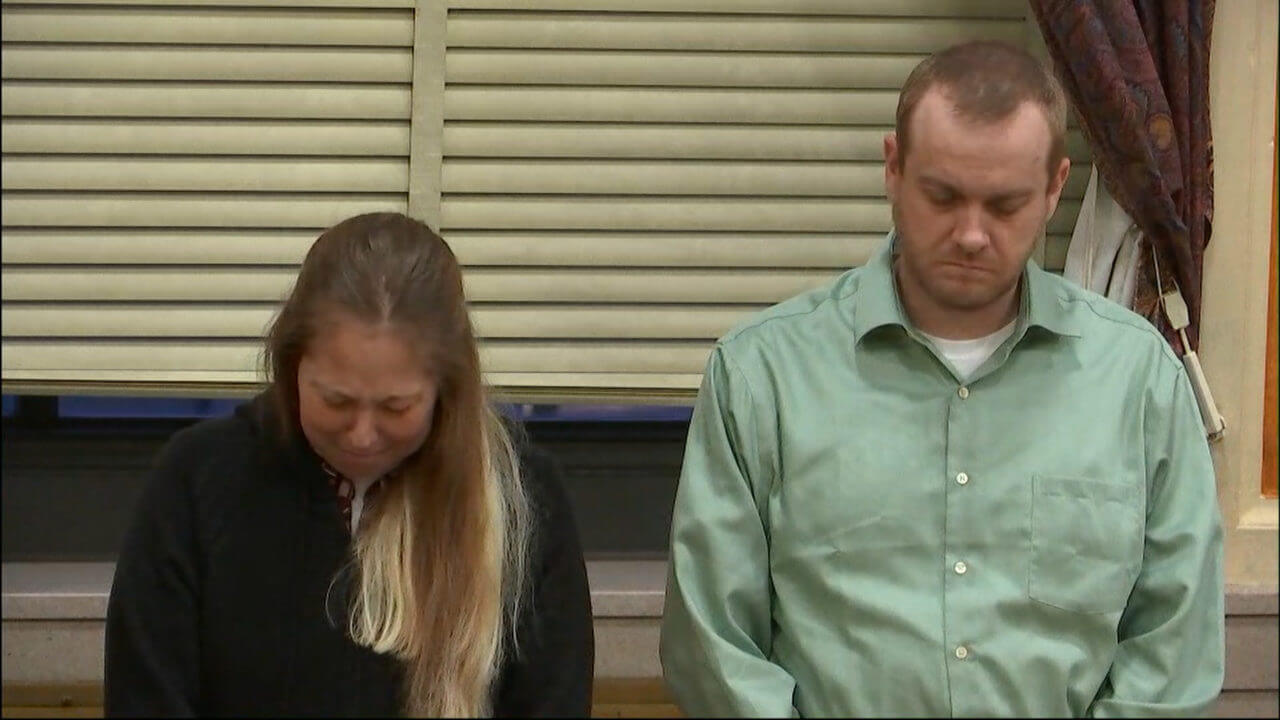
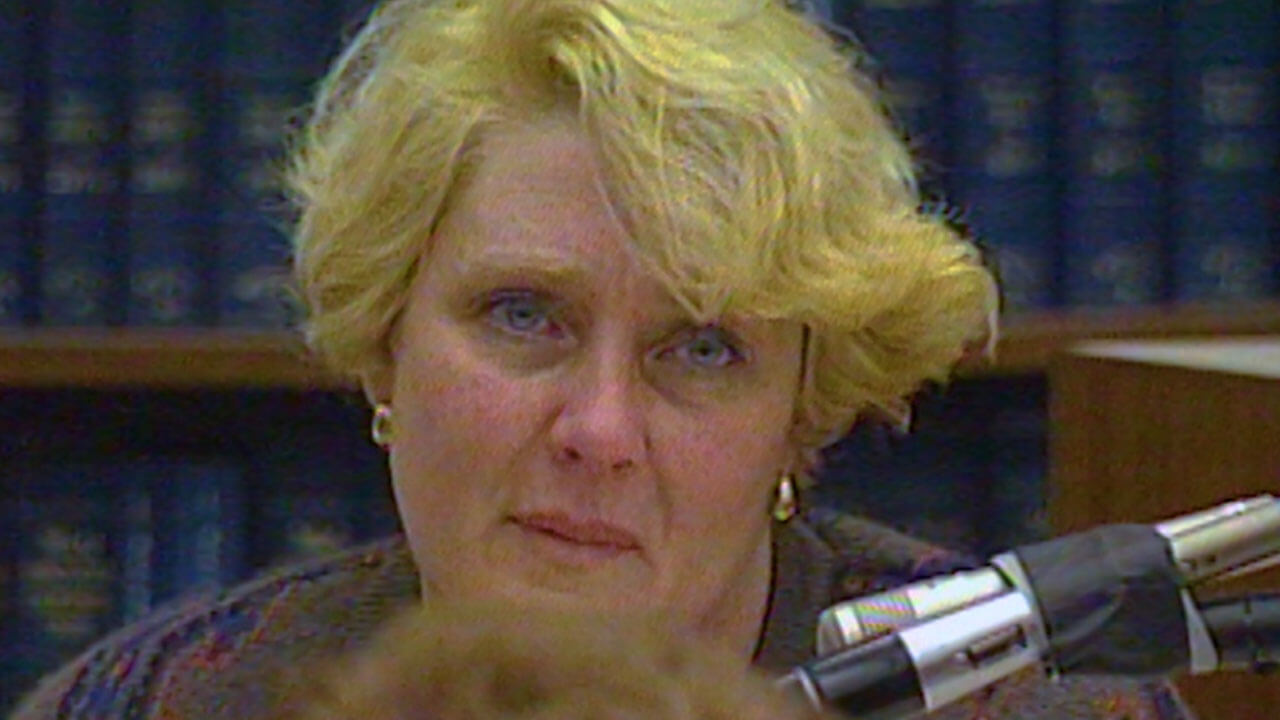
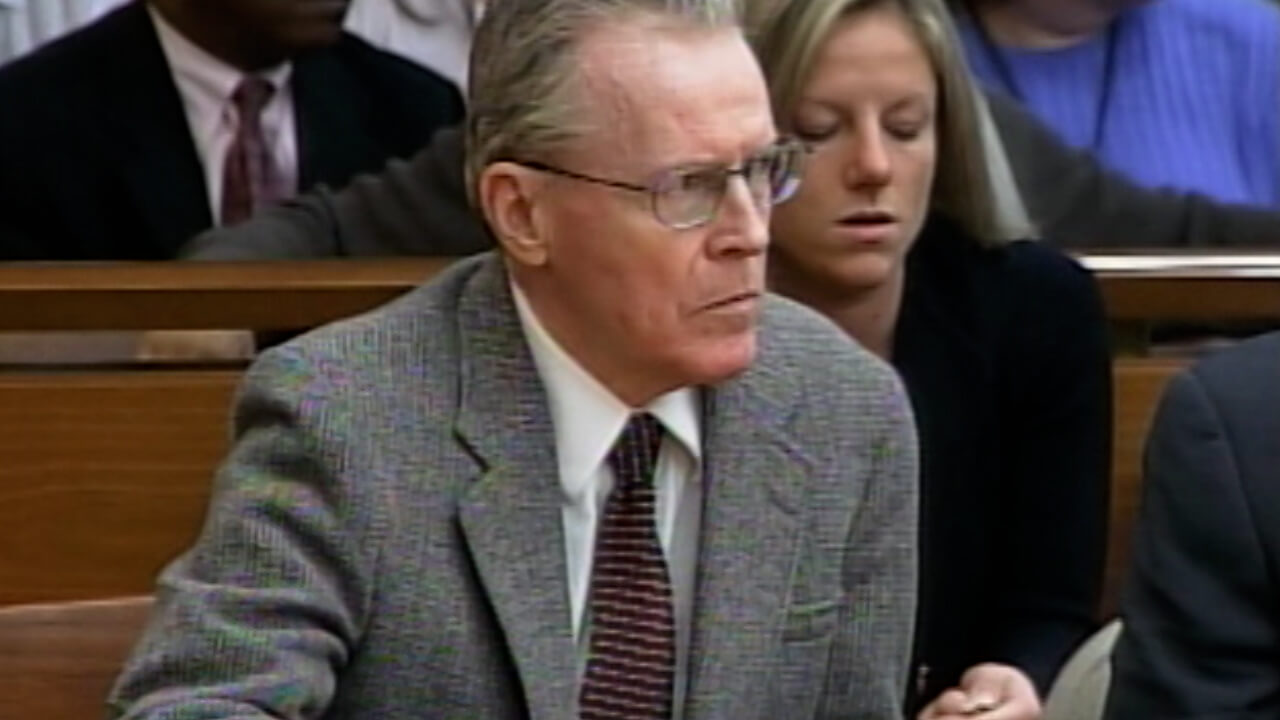
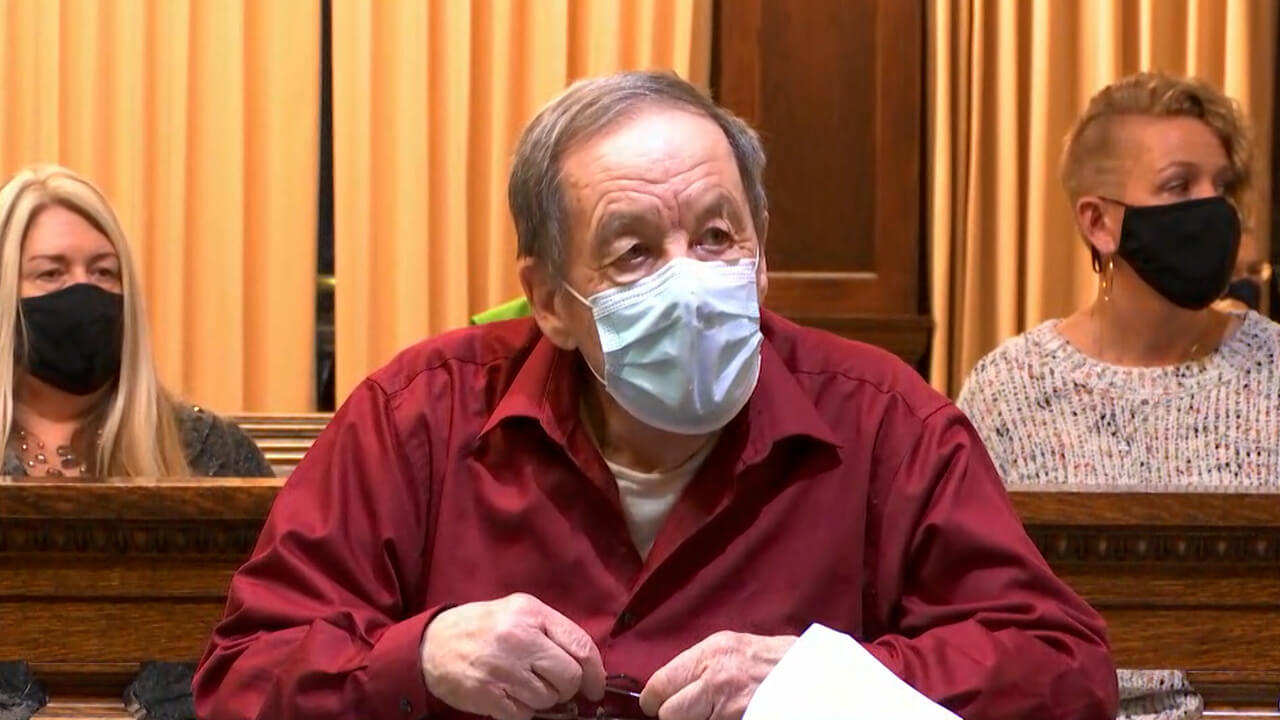
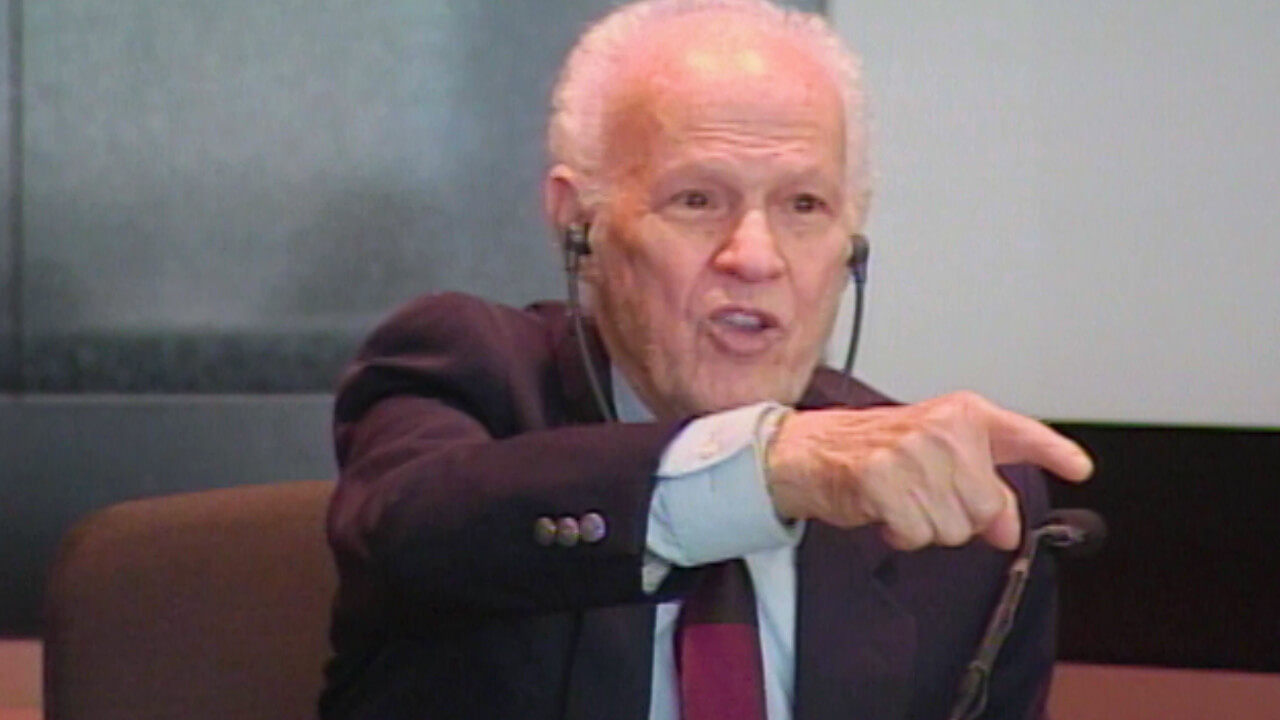
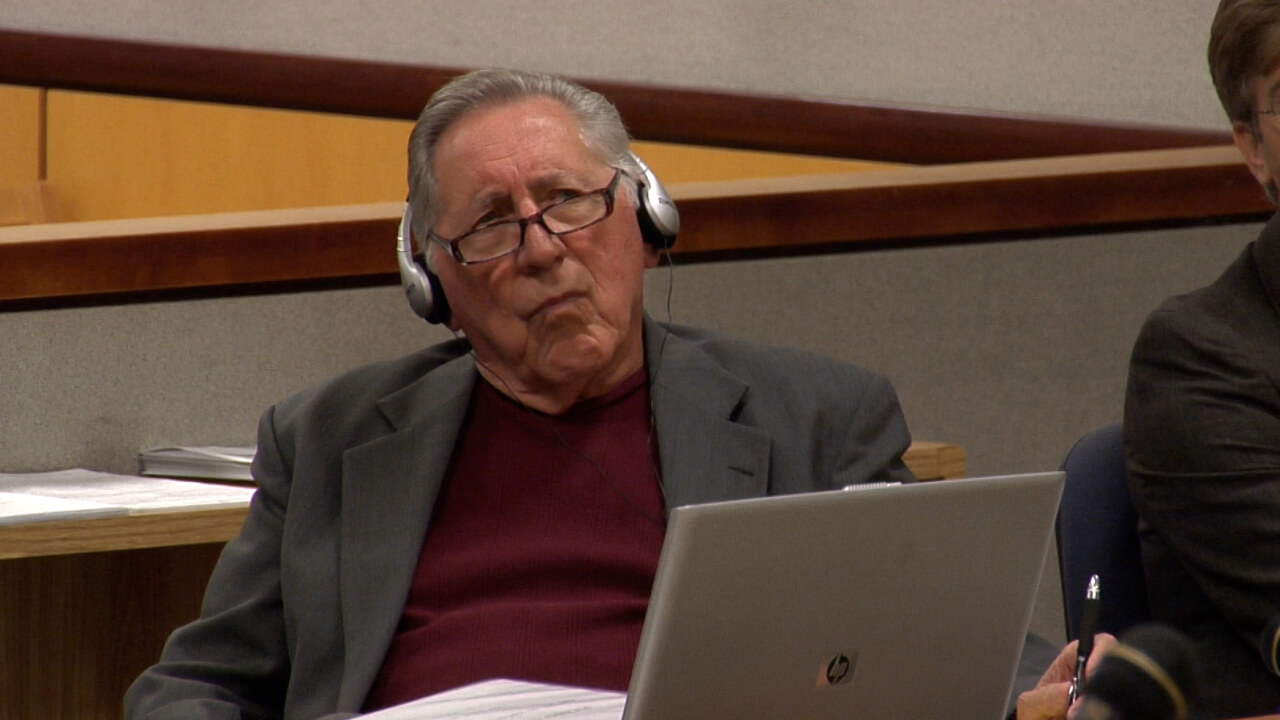
Russell McMillen, the victim's 83-year-old father, showed no emotion as he sat listening to Landron as he described the condition of the body and his post-mortem examination. Josephine McMillen remains sequestered until she is called by the prosecution to testify that her daughter left the family's seaside villa alone on the night of Jan. 14, 2000, and headed for the Jolly Roger Inn.
Landron, a veteran medical examiner who was educated and did his clinical work in the U.S., testified that McMillen's stomach contained partially digested vegetables when she died, indicating she died within hours of consuming the vegetables. Josephine McMillen will testify later, as she did last summer, that the family consumed a meal that included vegetables about 8 p.m. on the night her daughter failed to return home. Another witness, Buelah Romney, has already testified that she heard a car screech and screaming for two to three minutes near the crime scene at about 11:45 p.m. that night.
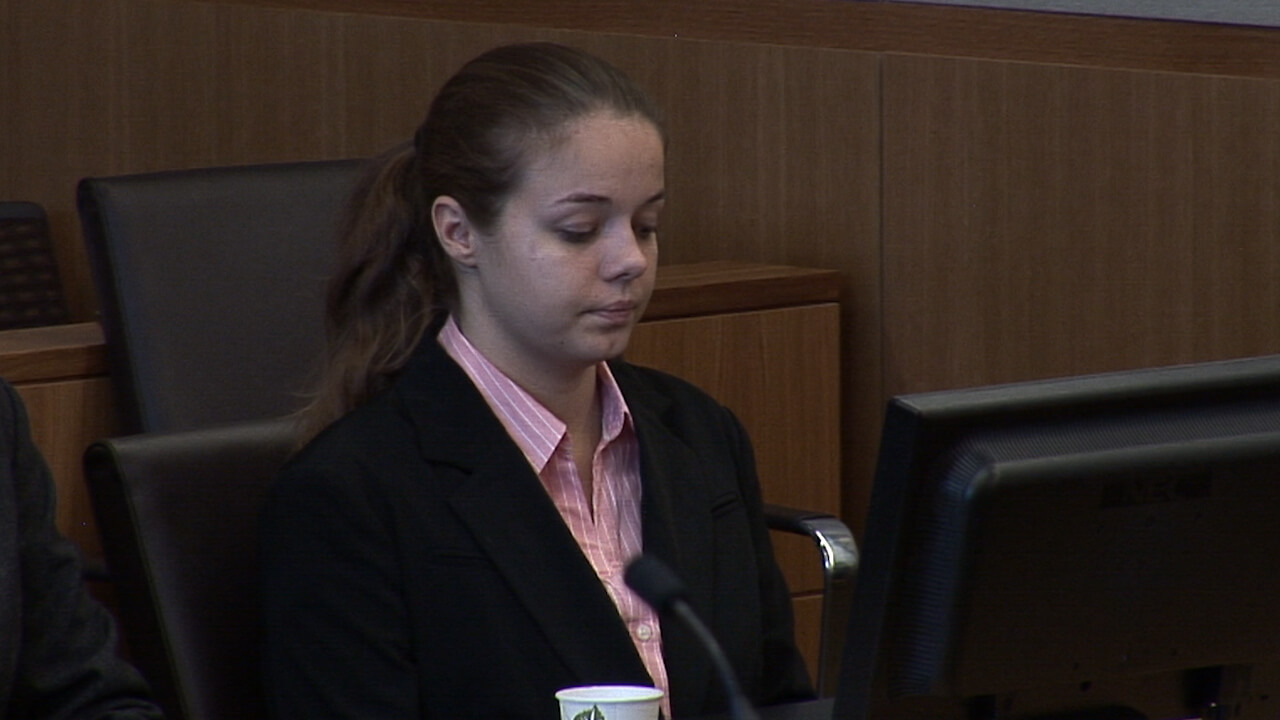
In the afternoon, Police Det. Dennis Jones testified about taking William Labrador's statement the day after McMillen's body was found. Jones said Labrador was cooperative during the interview. He then read the entire statement to the jury and it was admitted into evidence. In the statement, Labrador told police that he left the other three men on January 14 and walked back to Zebra House, where he spent the rest of the evening alone.
On cross-examination, Labrador's attorney Hector asked whether Labrador had asked him to put something in the statement about being in a car accident on Tortola in 1997. The accident, he said, involved a rental car McMillen was driving, with Labrador and Benedetto as passengers. Jones said no.
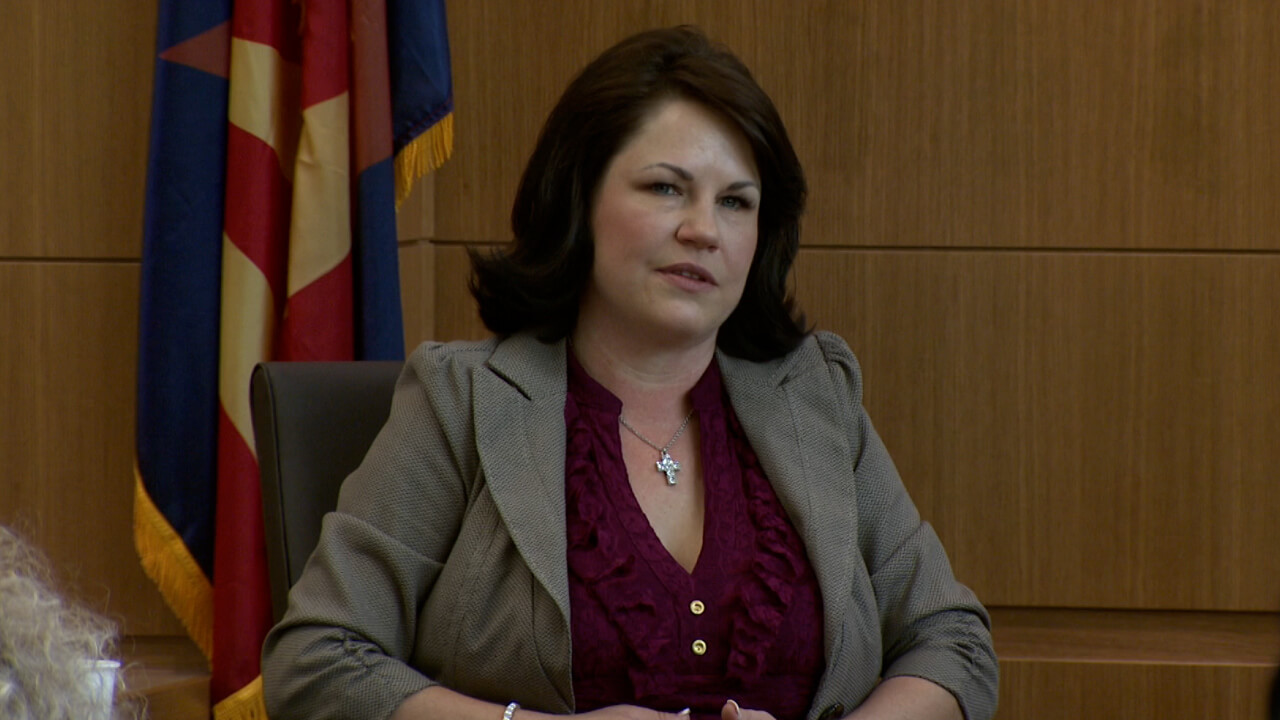
This information could be important later in the prosecution's case because a prison informant will testify that McMillen and Labrador had a dispute over money.
The trial, expected to last two to three weeks, is settling down somewhat. Some media outlets have pulled up stakes and the ones remaining are grumbling less and less about conditions in the courtroom, their ability to hear witnesses who testify without microphones, and being excluded from jury selection and the prosecutor's opening statement Monday.
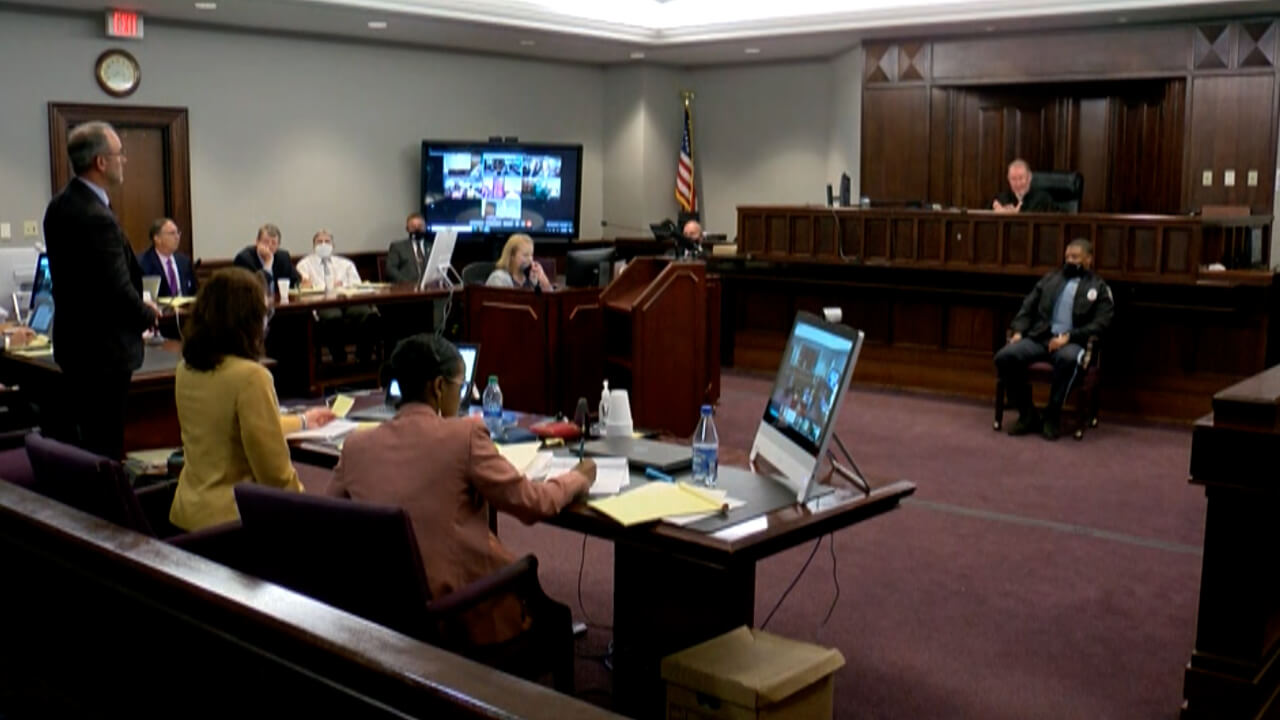
Justice Kenneth Benjamin does not say much and has not had to rule on many objections. Seated beneath a slightly tilted portrait of the Queen of England, Benjamin often has one hand partially covering his mouth when he speaks. To the judge's left, witnesses hold a fire-engine red Bible as they swear tell the truth. Each witness stands throughout his or her testimony, usually facing the jury box to the judge's right.
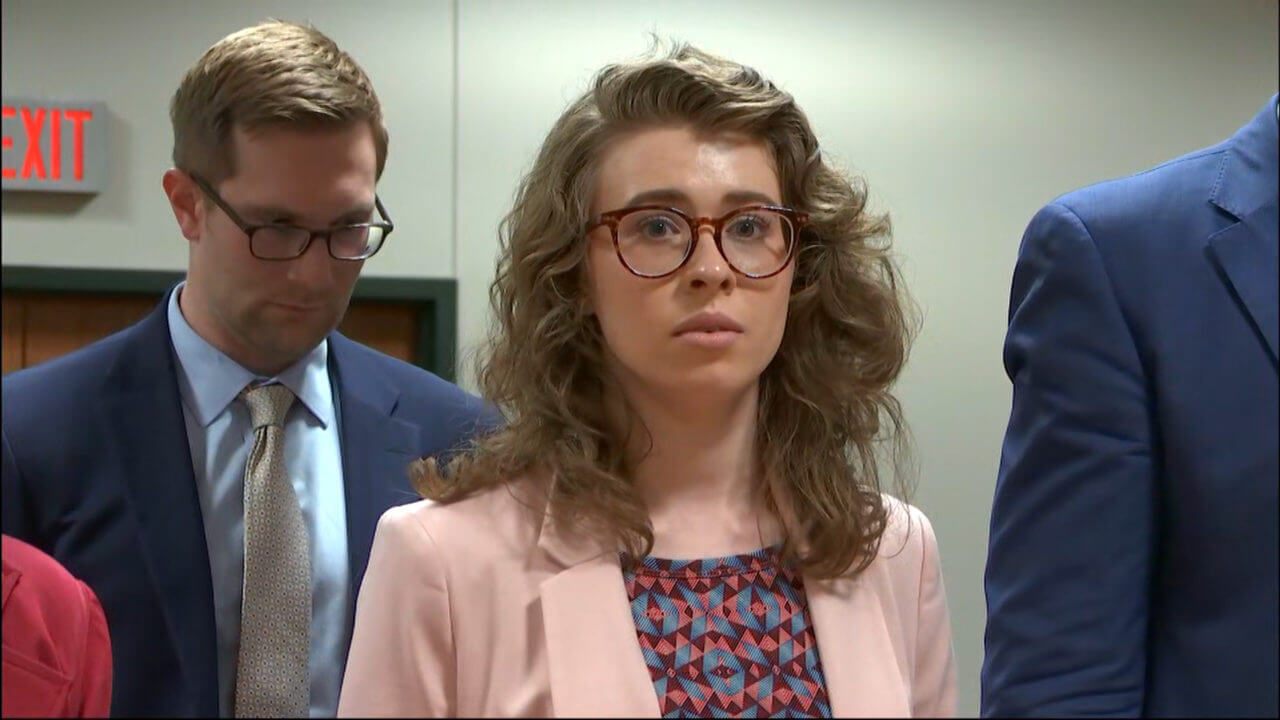
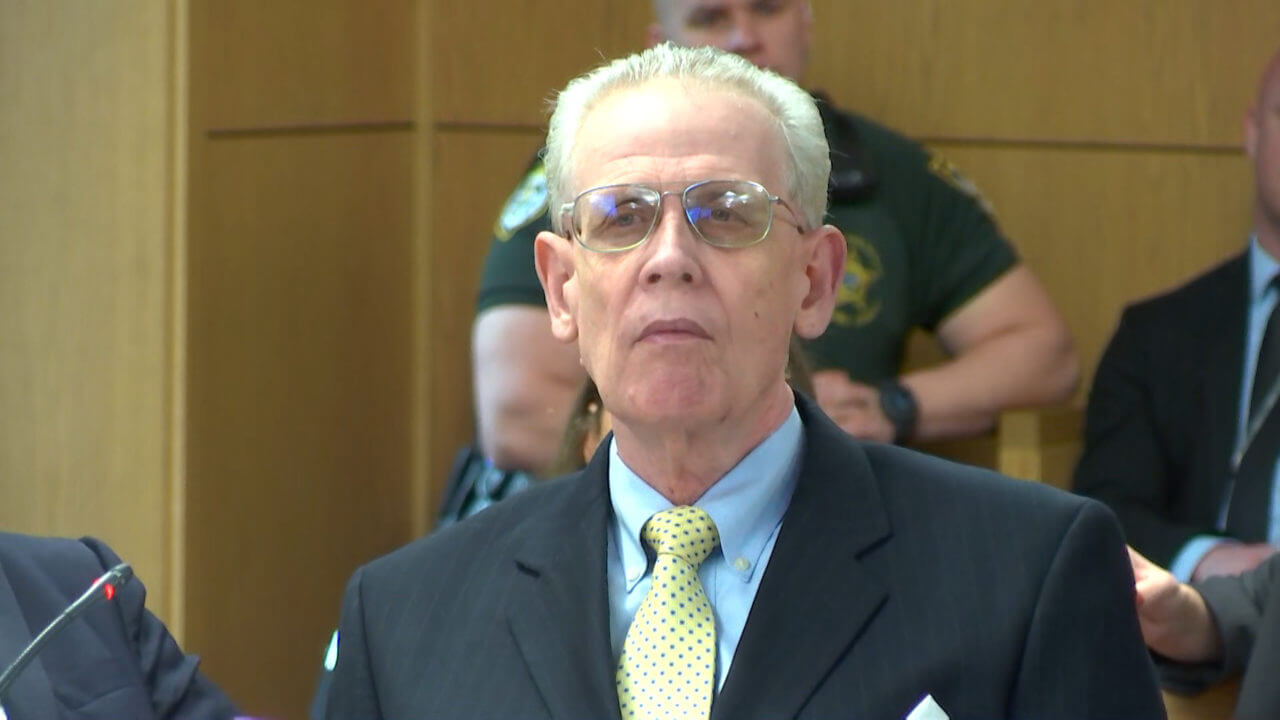
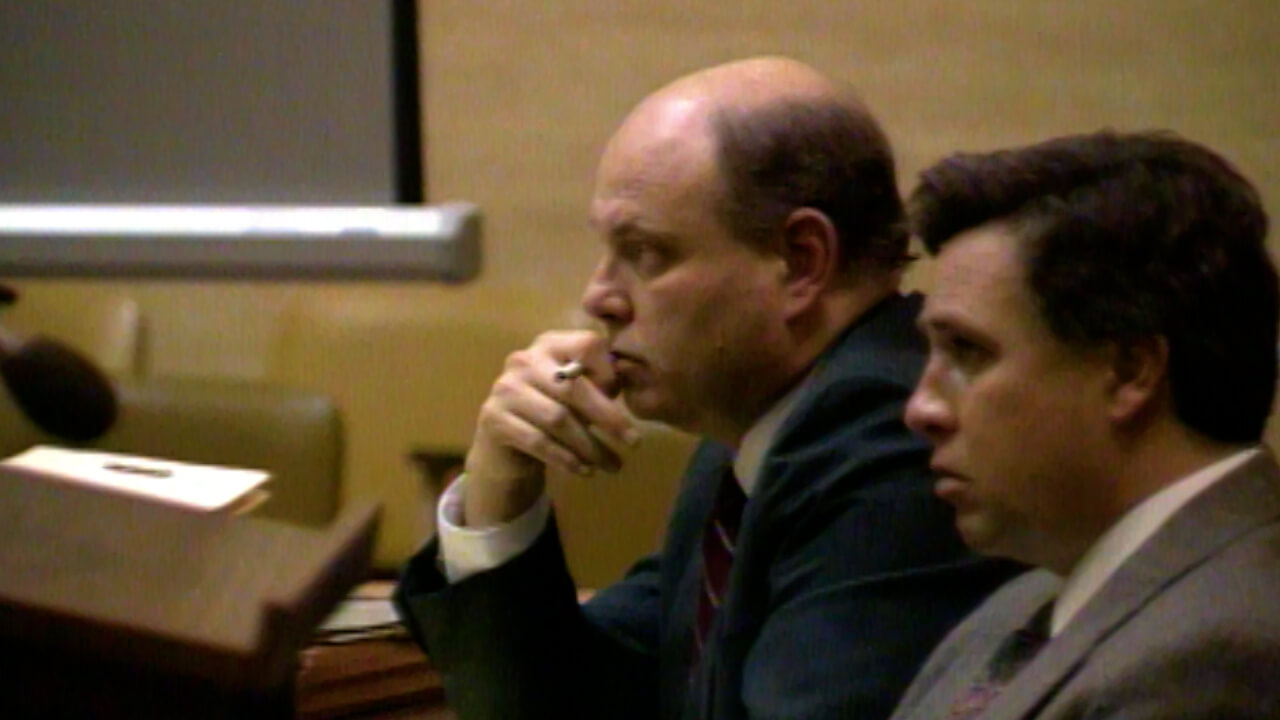
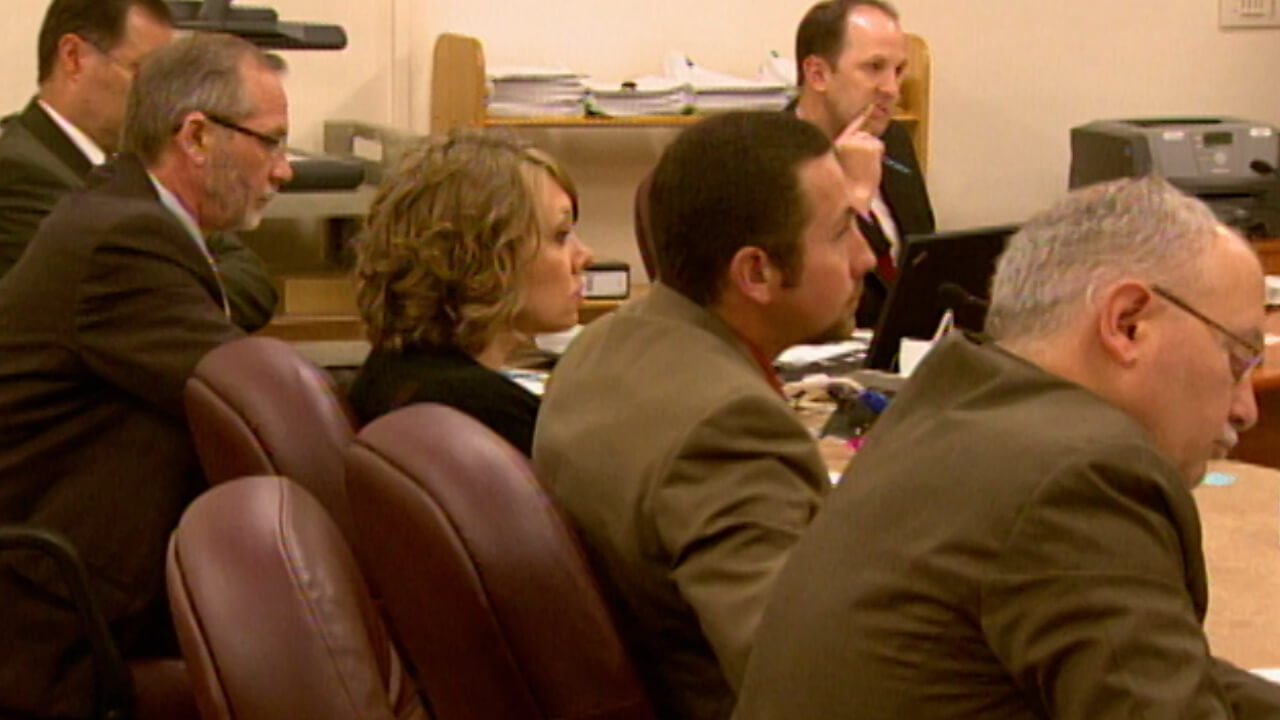
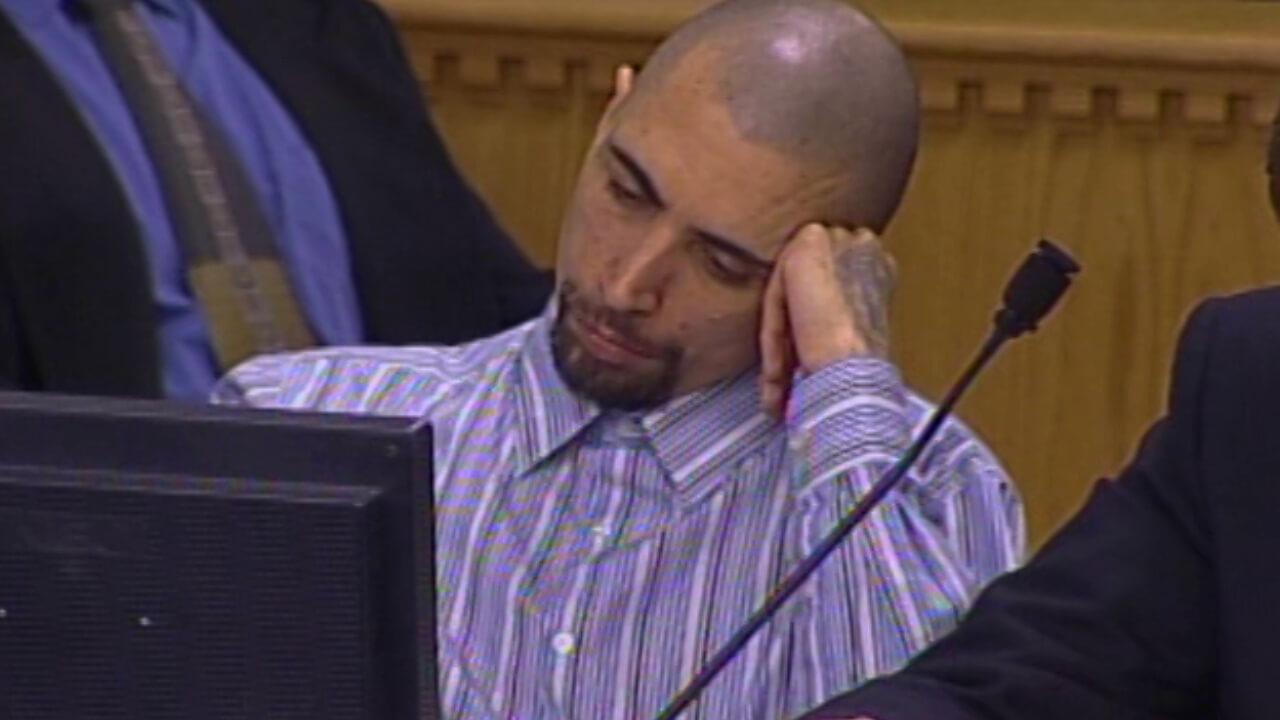
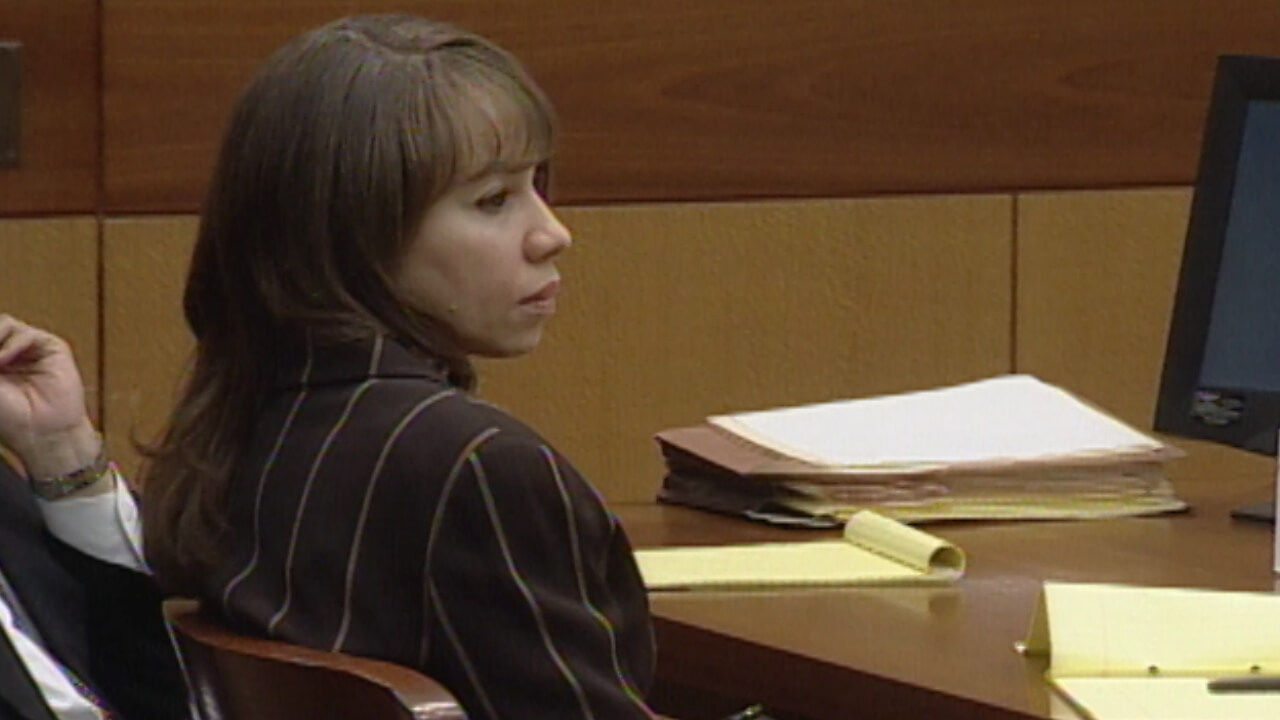
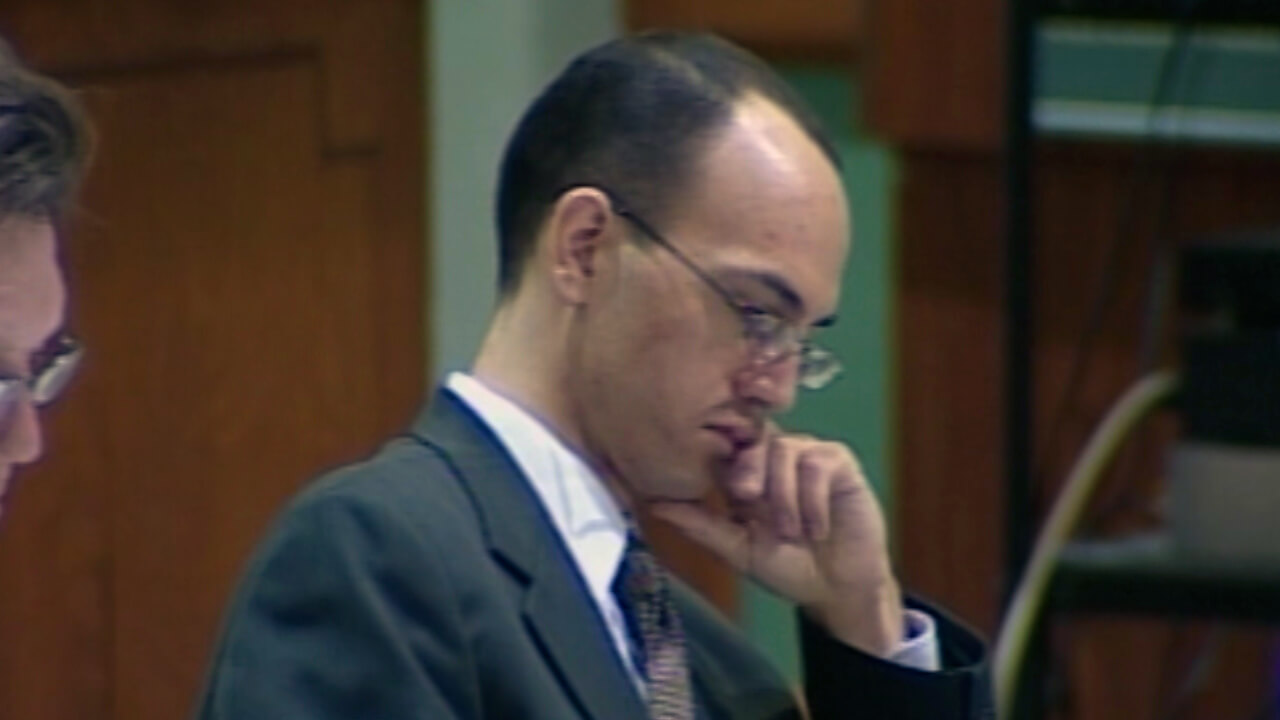
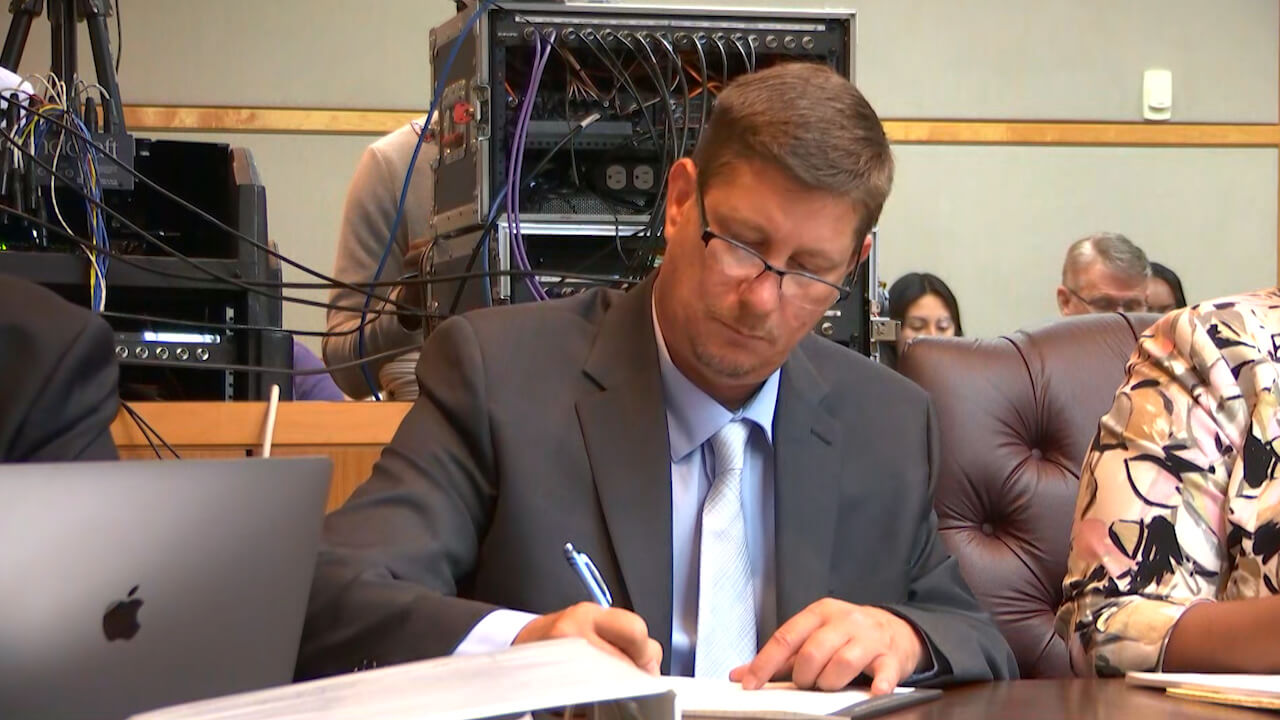
Labrador has sat next to Spicer in the defendant's "dock" since the trial began. The box is too small to also accommodate Benedetto and George who sit in green-backed chairs with steel frames nearby. Most of the approximately 50 people seated in the courtroom most days are journalists, private investigators or relatives of the defendants. Seated almost shoulder to shoulder on stackable black, plastic chairs, people in the gallery are barred from leaving the courtroom once the jury and Benjamin are seated.
|