By John Springer
Court TV
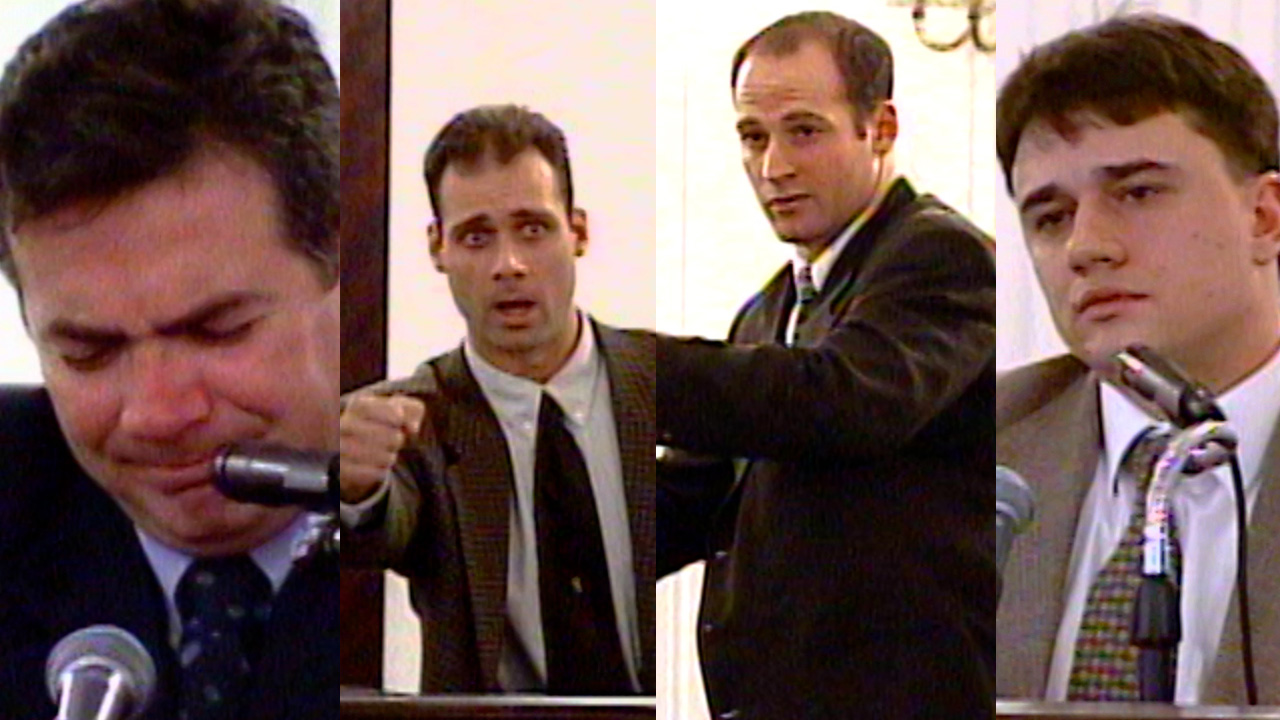
ROAD TOWN, British Virgin Islands As the prosecution of four American men charged with the murder of an attractive young artist from Connecticut winds down, Senior Counsel Theodore Guerra is whipping up a sandstorm of sorts in an effort to link one of the men to the crime scene.
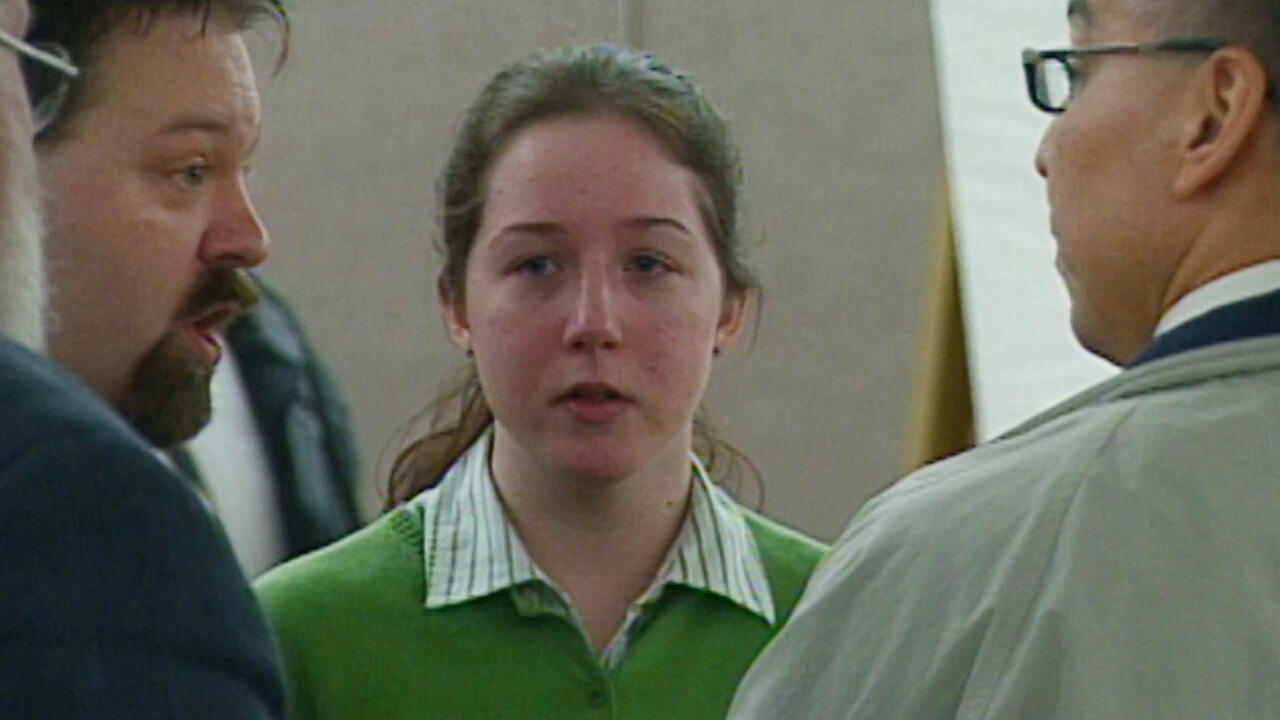
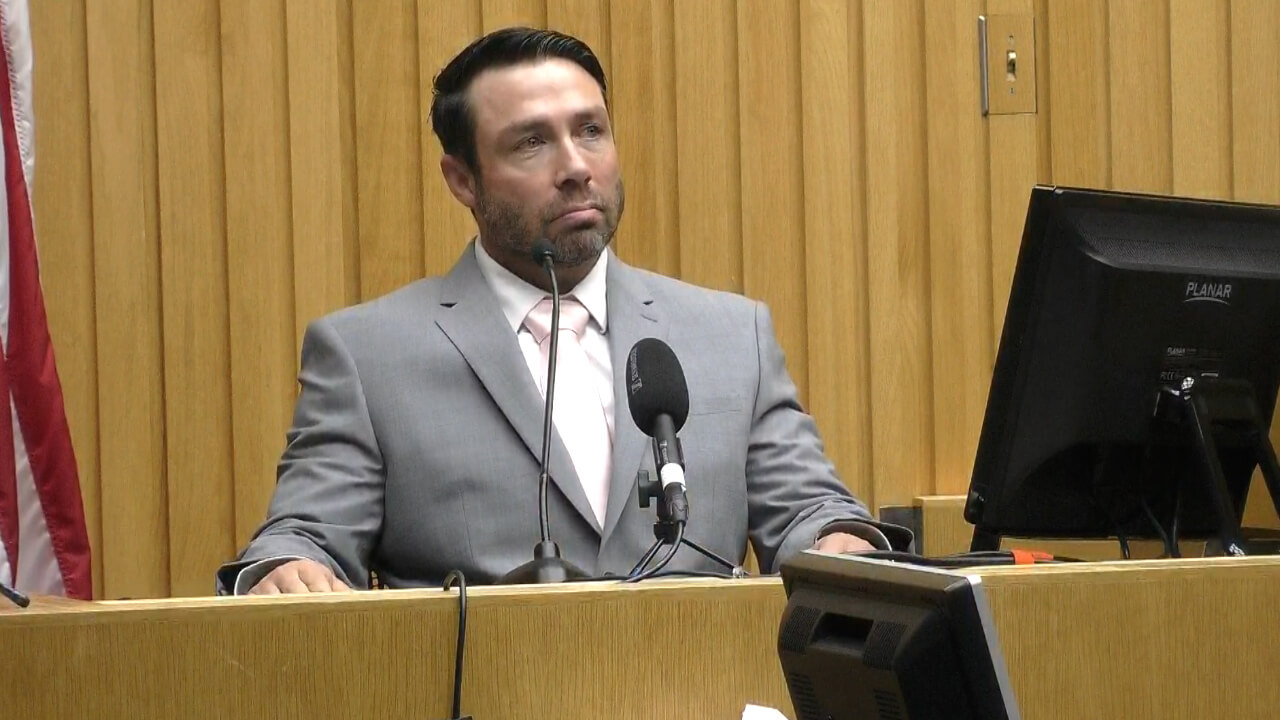
An Oxford- and Cambridge-educated professor of environmental geology took the stand Thursday to testify about his comparison of sand and soil collected from the beach where Lois McMillen drowned and sand collected from footwear seized from defendants William Labrador, Michael Spicer and Evan George.
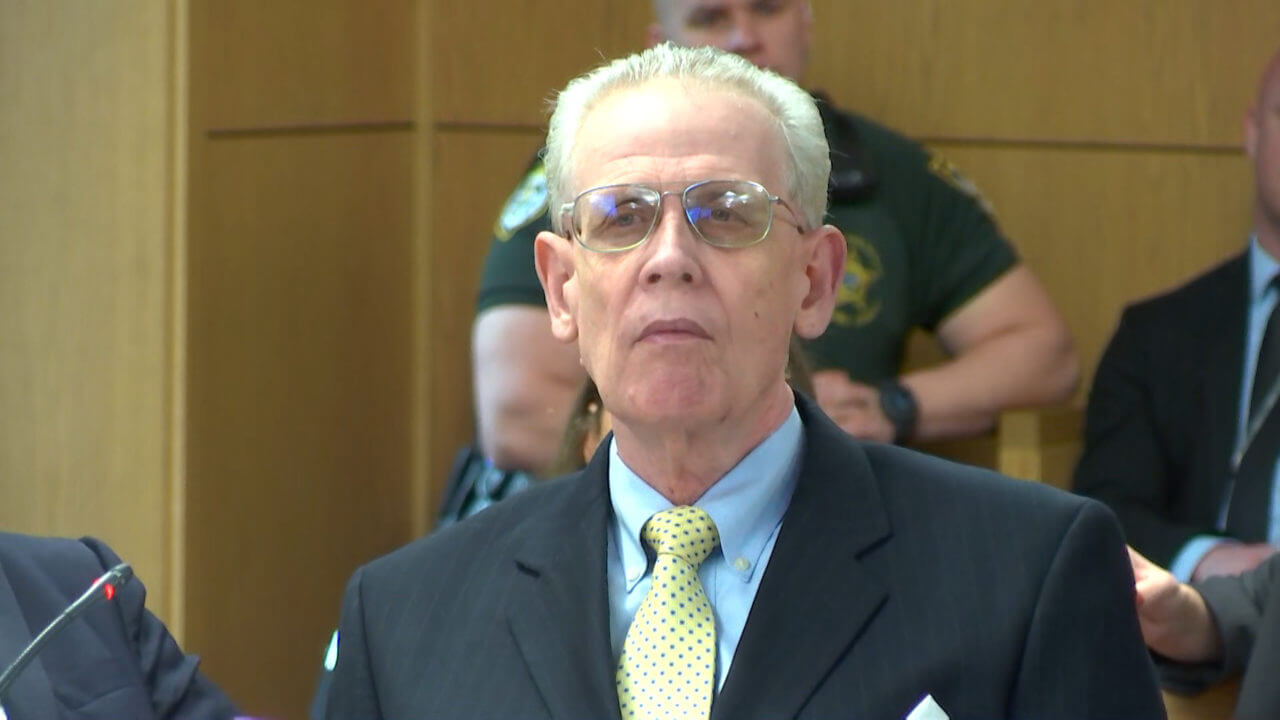
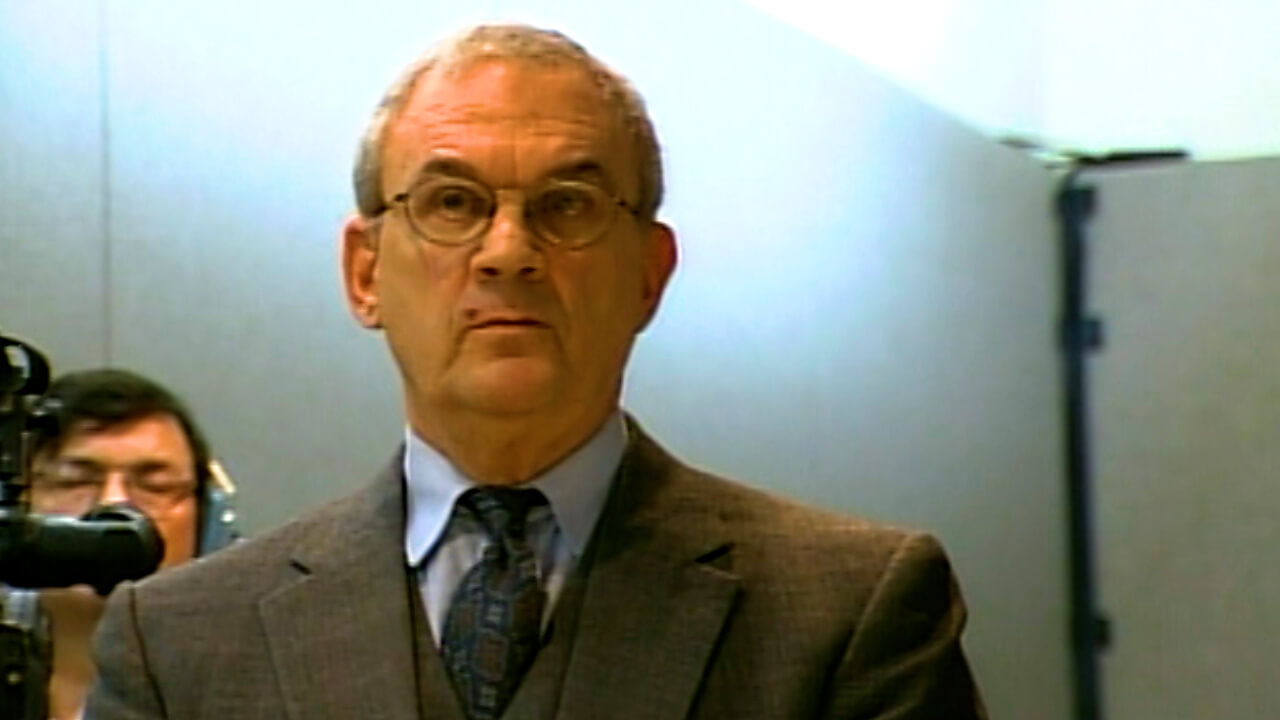
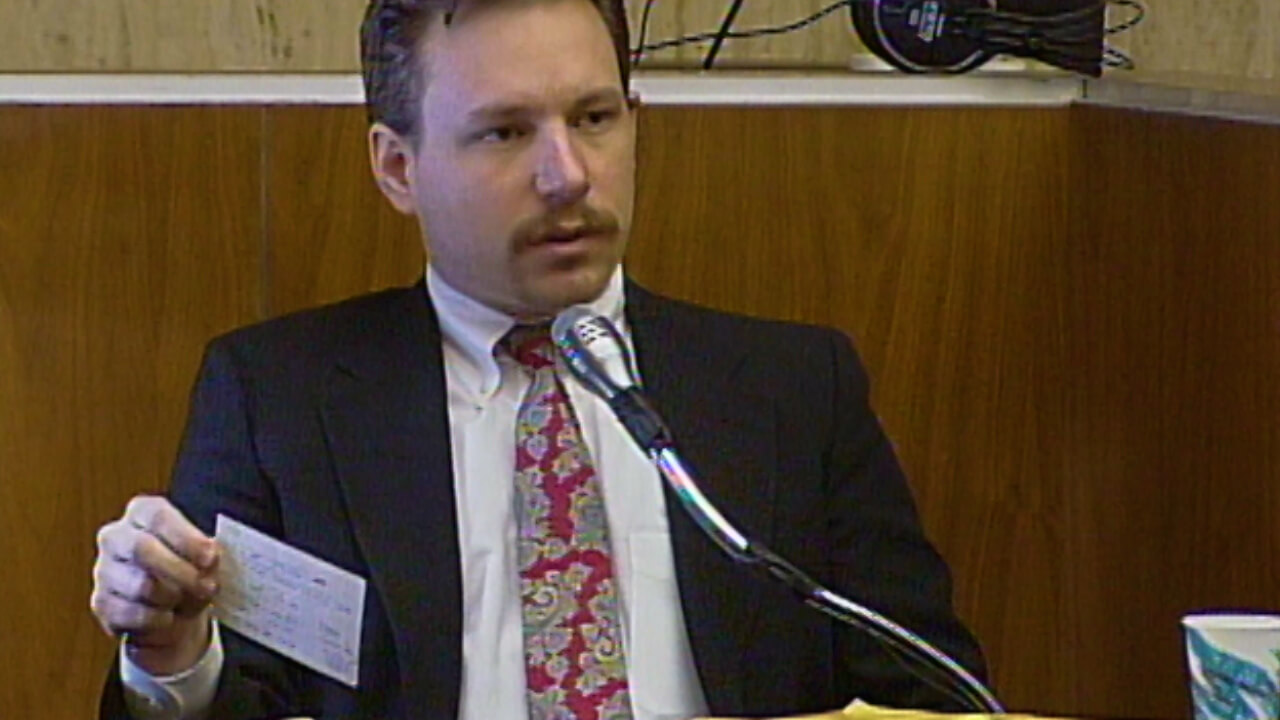
Kenneth Pye, who is based at the University of London and who has testified at more than 20 murder trials in the United Kingdom, testified that sand collected from Spicer's "K Swiss" brand sneakers is consistent with sand found near where McMillen's battered body was discovered on this eastern Caribbean island Jan. 15, 2000.
Pye said that, although there is no scientific evidence to link sand in the shoes of George and Labrador to the area where the body was found, there was a "high probability" that sand from Spicer's sneakers came from that area and at least one other location. Shoes of the fourth defendant, Alexander Benedetto, were not analyzed.
None of the shoes examined contained sand from Cane Garden Bay, where all the defendants but Labrador were seen on the night of the murder, Pye said.
After Pye concluded a long, dry dissertation about his chemical and microscopic analysis of the various sand samples connected to the case, it was the defense's turn.
Spicer's attorney, Joseph Archibald, got Pye to testify about mistakes made by his staff and the fact that geology is not an exact science. Then he established through the witness that the sand found in Spicer's well-worn sneakers could have been there long before Jan. 15, 2000.
The defense has said that sand is pretty basic stuff and found in abundance on the many beaches that surround this British-controlled island, but Pye testified that important differences can be measured by looking microscopically at grain size, color and chemical composition.
Despite the testimony, which the defense says is irrelevant, Spicer has a fairly solid alibi on the other side of the island during the time police believe McMillen was attacked and dragged into the water and drowned. It is unclear whether Guerra may try to argue that Spicer was at the crime scene or that he went later to help cover up evidence of a struggle between McMillen and Labrador, who allegedly confessed to drowning McMillen after a violent argument over money, a prison informant testified.
Labrador's lawyer and family maintain that nearly everything the prison informant said during two days on the stand was fabricated and bears striking similarities to testimony he gave against a murder suspect he met in a Hawaii prison in 1995.
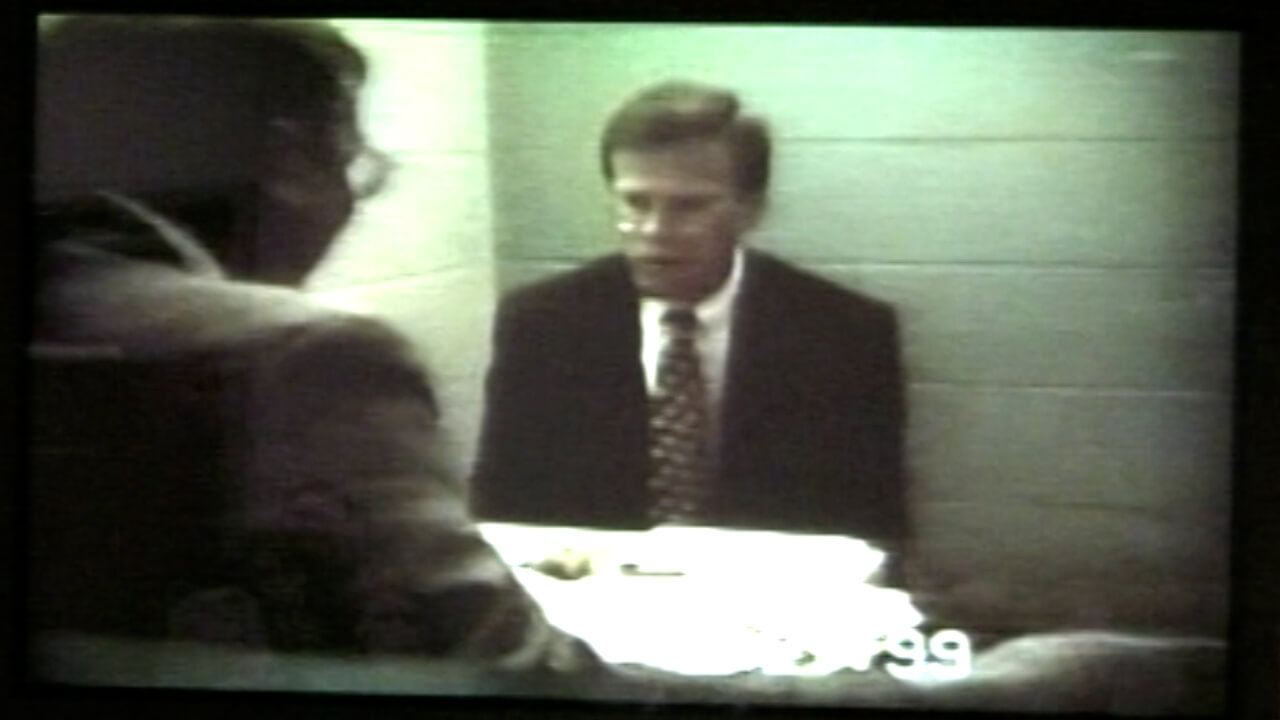
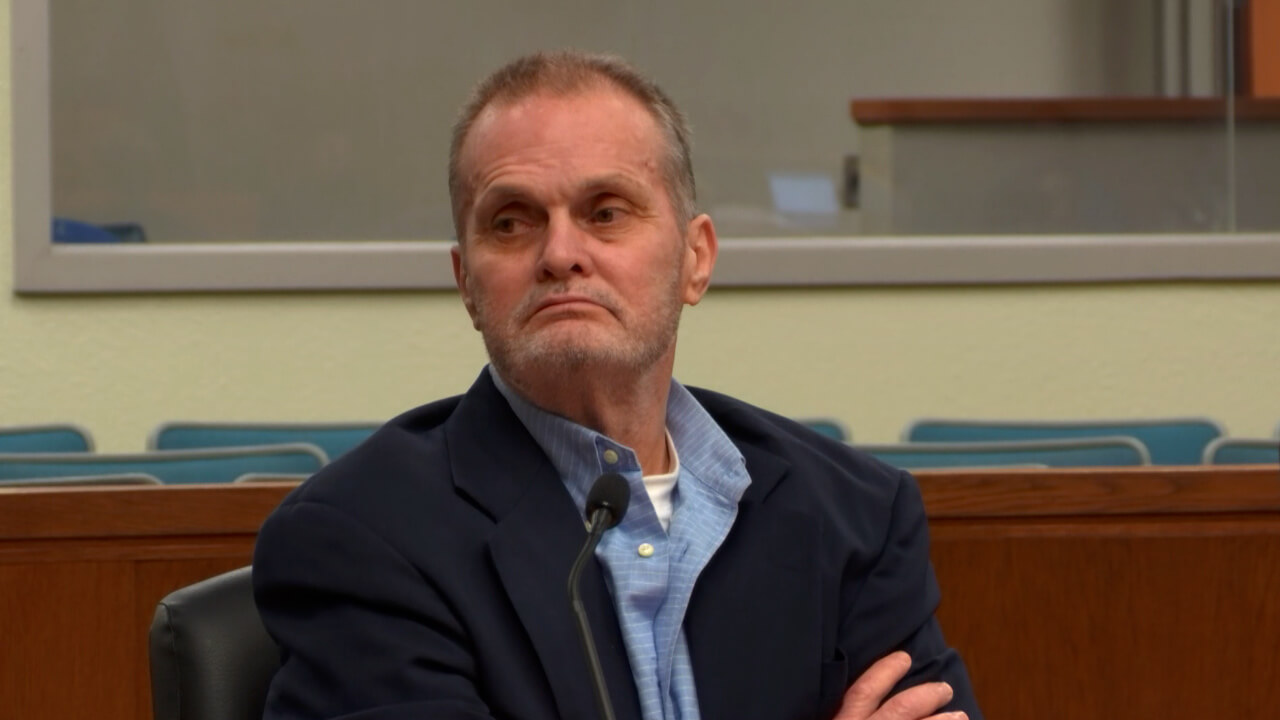
The 59-year-old informant, convicted swindler Jeffrey Plante of Texas, concluded his testimony Thursday morning by insisting that Labrador and Benedetto both had sex with McMillen after the three were involved in a minor car accident on Tortola in 1997. The revelation, if true, contradicts Labrador's statement to police that he was unaware of the defendants having any intimate relationship with McMillen, a former model known here for her flamboyant manner of dress and her blonde hair.
"I put to you that [Labrador] never told you about them both having sex with her. That was your addition," said Labrador's defense lawyer, Richard Hector of Bermuda.
"No, sir, he did say that," said Plante.
Plante's testimony about the accident and alleged tryst stemmed from one of 15 questions the nine-member jury asked toward the end of the proceedings Wednesday. The jury forewoman asked Plante why he waited nearly a month before telling police on May 11, 2000, that Labrador had allegedly confessed to killing the 34-year-old McMillen. Plante, whom Hector previously called a "predator, thief and a liar," responded that he needed time to probe Labrador's "veracity" and came forward after deciding that he could no longer keep the admission, allegedly made while the two were cellmates, to himself.
"I could no longer live with myself," Plante testified.
Because of a personal commitment, the judge indicated that court will adjourn for the weekend at 1:30 p.m. Friday. That would likely push the closing of the prosecution's case until Monday. The defense will then argue that insufficient evidence was presented during the Crown's case to warrant having the seven women and two men of the jury deliberate.
Other than Plante, no witness gave evidence to directly implicate any of the defendants in McMillen's death. A DNA expert testified that microscopic specks of cellular material found on the shoulder of Michael Spicer's shirt were similar, though limitedly, to the genetic makeup of McMillen and one out of every four women walking the Earth. According to defense sources, an environmental scientist listening to the prosecution's sand expert, Pye, will testify if necessary that nothing conclusive can be drawn from similarities between sand in Spicer's sneakers and sand collected from the coastline where McMillen's body was found.
|